


Brown University is implementing a comprehensive campus safety plan before the spring semester begins on January 21. This initiative follows a December 13 incident where two students died and nine others were injured. The new measures focus on improved building access, expanded emergency communication, and stronger coordination with local law enforcement agencies.
Key Takeaways
- Brown University introduces a new campus safety action plan.
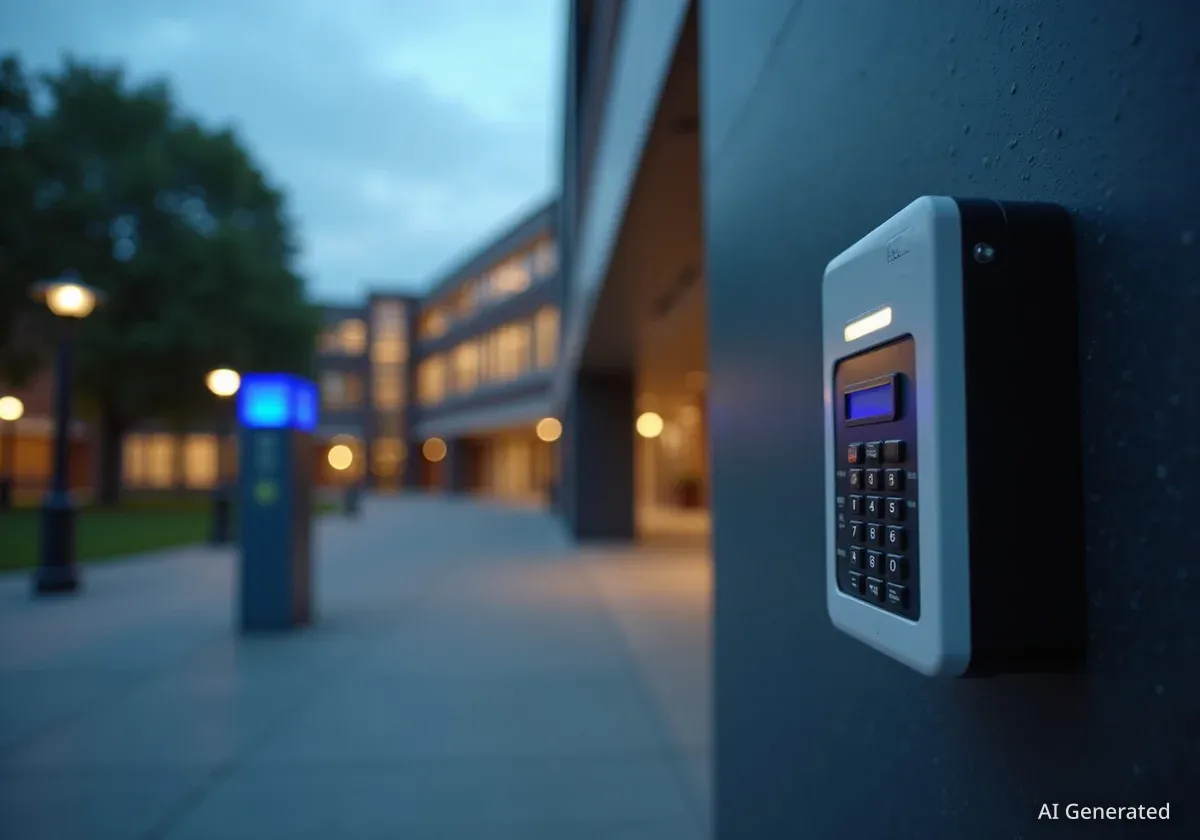
- The plan includes card access for buildings and more blue light phones.
- Security cameras will be installed in key areas across campus.
- Enhanced training and stronger local agency partnerships are part of the initiative.
- The university is also conducting an external review of its preparedness and response.
New Security Measures Take Effect
Hugh Clements, Brown University's interim Vice President for Public Safety, outlined the new safety plan in a letter to the university community. Clements, a former chief of Providence police, recently stepped into the interim role. The plan addresses immediate security enhancements and long-term strategic improvements.
One primary change involves building access control. The university will transition to card access for buildings that currently require keys. Until this transition is complete, assigned officers will patrol these buildings to ensure security. This step aims to regulate who enters campus facilities.
Fact Check
- Date of Incident: December 13
- Casualties: 2 students killed, 9 injured
- Semester Start: January 21 (Spring 2026)
Expanding Emergency Infrastructure
Brown University is expanding its network of blue light phones. These emergency phones will now include integrated cameras, providing an additional layer of security. The university is also installing security cameras in other key areas across the campus. These technological upgrades aim to increase surveillance and response capabilities.
Beyond technology, the plan emphasizes human resources. Public safety officers will receive enhanced training. This training will cover various scenarios, including active-shooter preparedness. The university's goal is to ensure its staff is well-equipped to handle emergencies effectively.
"What happened on Dec. 13 should never happen again — at Brown or anywhere — and we must confront that imperative for our community with steadfast purpose," Clements wrote in his letter.
Strengthening Community and Partnerships
The new safety plan also includes strengthening coordination with local law enforcement agencies and other community partners. This collaboration is crucial for a unified response during critical incidents. Regular communication and joint training exercises can improve overall preparedness.
Clements articulated a vision for public safety that is community-centered and proactive. He stresses the importance of transparency, trust, and partnership. This approach aims to build a campus environment where safety is a shared responsibility among all members of the university community.
Background on Leadership Change
Hugh Clements was appointed interim Vice President for Public Safety after Rodney Chatman, the previous vice president, was placed on leave. Clements brings extensive experience from his time as the chief of Providence police, providing a strong foundation for leading these new safety initiatives.
Focus on Preparedness, Not Fear
The university will offer new safety training programs during the spring semester. These programs include general safety awareness and specific active-shooter preparedness training. These initiatives are designed to empower students, faculty, and staff with the knowledge and skills to act responsibly in an emergency.
Clements clarified the objective of these measures. "Our goal is not to create a campus defined by fear, but one defined by preparedness, vigilance and mutual care," he stated. The university aims to maintain a secure environment that supports its academic mission while ensuring the confidence of its community members.
External Reviews Underway
Brown University previously announced that external firms are conducting two critical reviews. One review focuses on the university's preparedness before and its response after the December 13 incident. This after-action review will provide insights into what went well and what needs improvement.
The second external assessment is a comprehensive campus safety and security assessment. This review will examine all aspects of the university's security systems and protocols. The findings from these assessments will inform future long-term safety strategies and investments. The administrative holiday break for the university ends next Tuesday, with medical school courses resuming on the same day.
- Security Upgrades: Card access, blue light phones with cameras, security cameras.
- Training: Enhanced public safety training, active-shooter preparedness.
- Partnerships: Stronger coordination with local agencies.
- Reviews: External after-action review and campus safety assessment.
These actions demonstrate Brown University's commitment to enhancing safety and security for its entire community. The focus remains on creating a secure learning and living environment through a combination of technology, training, and collaboration.