
Brown University is now the subject of a federal investigation by the U.S. Department of Education following the tragic shooting on December 13, 2025, that left two students dead and nine others injured. The review will determine if the university failed to meet federal campus safety requirements, potentially jeopardizing its access to federal student aid.
The investigation centers on the Jeanne Clery Campus Safety Act, a federal law that mandates specific safety and security protocols for colleges and universities. Federal officials are examining reports of delayed emergency notifications and potential shortcomings in the campus surveillance system during the incident.
Key Takeaways
- The U.S. Department of Education has launched a review of Brown University's compliance with the Clery Act.
- The investigation follows a campus shooting on December 13 that resulted in two student fatalities and nine injuries.
- Officials are concerned about potential delays in the university's emergency alert system and surveillance failures.
- Brown University has announced its own comprehensive external reviews and is implementing immediate security upgrades.
- The suspected shooter was identified as a former Brown doctoral student and was later found deceased from a self-inflicted wound.
Federal Scrutiny Over Campus Safety
The Department of Education has formally initiated a review to determine if Brown University upheld its legal obligations to maintain a secure campus environment. The probe was announced after public reports raised questions about the university's preparedness and response to the active shooter situation.
U.S. Secretary of Education Linda McMahon stated that the department is acting to ensure recipients of federal funding are protecting students. "Students deserve to feel safe at school, and every university across this nation must protect their students and be equipped with adequate resources to aid law enforcement," McMahon said in a statement. She added that the administration will work to ensure universities follow security procedures required under federal law.
What is the Clery Act?
The Jeanne Clery Disclosure of Campus Security Policy and Campus Crime Statistics Act is a federal law that requires colleges and universities participating in federal financial aid programs to disclose information about crime on and near their respective campuses. A key component is the requirement for timely warnings and emergency notifications to the campus community about threats to safety.
The federal review will focus on specific potential failures. Investigators are looking into claims that the university’s emergency notifications about the active shooter were delayed. They are also examining whether the campus surveillance and security systems were adequate, as these systems may not have prevented the shooter from fleeing the scene.
"If true, these shortcomings constitute serious breaches of Brown’s responsibilities under federal law," the Department of Education noted in its communication.
Brown University's Response and Actions
In response to the federal inquiry and the tragedy itself, Brown University has committed to a series of actions aimed at reviewing and overhauling its safety protocols. University spokesman Brian E. Clark confirmed receipt of the Department of Education's notice and stated that the university would respond directly.
Clark outlined a three-pronged approach the university is taking:
- Immediate Security Enhancements: The university is implementing a range of new safety and security measures across campus to build upon existing efforts.
- After-Action Review: Brown has commissioned a comprehensive external review of the December 13 incident. This will assess campus safety leading up to the event, the response during the shooting, and emergency management in the aftermath.
- Comprehensive Safety Assessment: A separate external assessment will be conducted to review all of Brown’s current safety policies, procedures, infrastructure, and training programs.
These steps are intended to provide a transparent evaluation of the university's systems and identify areas for critical improvement. The goal is to prevent future tragedies and restore a sense of security for students and staff.
Extensive Document Request
As part of its investigation, the Department of Education has requested numerous documents from Brown University with a deadline of January 30. These include annual security reports, crime logs from 2021-2025, dispatch logs, records of all timely warnings and emergency notifications issued, and standard operating procedures for active shooter scenarios.
Details of the December 13 Tragedy
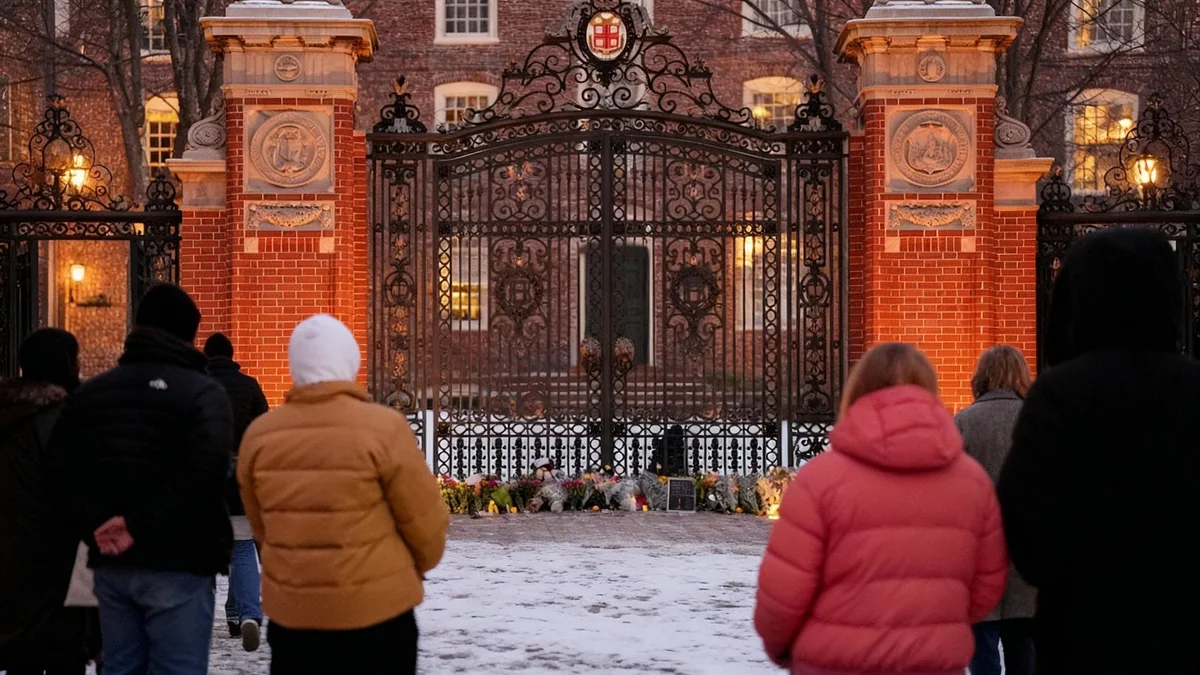
The shooting occurred around 4 p.m. on December 13 in the Barus and Holley building, which houses the university's engineering and physics departments. Gunfire erupted during an exam review session, leading to hours of chaos on campus and in the surrounding Providence neighborhoods as law enforcement searched for the shooter.
The victims were identified as sophomore Ella Cook and first-year student Mukhammad Aziz Umurzokov. Nine other individuals were injured in the attack. As of Monday, five of the injured remained hospitalized in stable condition, while four have been discharged.
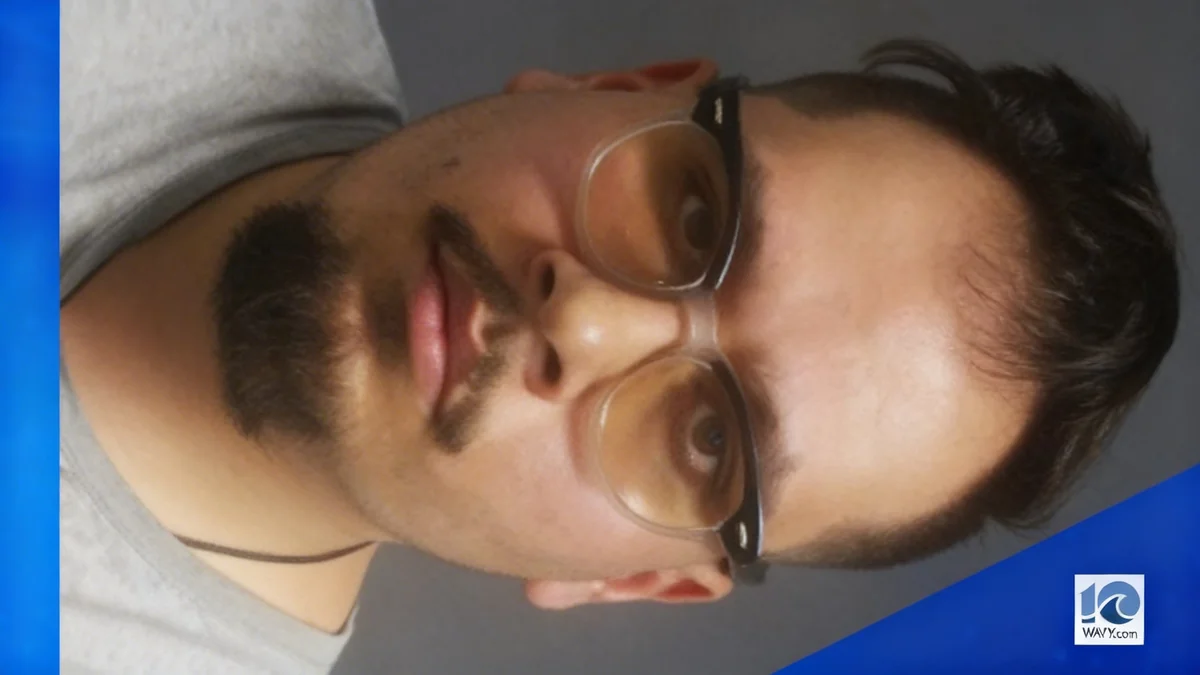
The suspected shooter was identified as Claudio Manuel Neves Valente, 48. Authorities reported that Neves Valente was a former doctoral student in physics at Brown from 2000 to 2001. After a five-day manhunt, his body was discovered in a storage unit in New Hampshire. His death was ruled a suicide from a self-inflicted gunshot wound.
The Manhunt and Investigation
The search for Neves Valente involved hundreds of officers and spanned multiple states. A critical breakthrough came from a Reddit user who provided investigators with details of an encounter with the suspect. This tip led authorities to a gray Nissan rental car seen in security footage near the crime scene.
Investigators tracked the rental car, which was from Boston, and eventually located Neves Valente. Court documents show he was charged with 25 counts, including two counts of first-degree murder.
While officials have not confirmed a motive, they noted a connection between Neves Valente and MIT Professor Nuno F.G. Loureiro, who was also killed in a related incident. Both men were from Portugal and had previously studied at the same university in Lisbon. Neves Valente had become a legal permanent resident of the U.S. in 2017, with a last known address in Miami, Florida.