
Students are returning to Brown University for the spring semester, greeted by new security measures and a campus atmosphere heavy with the memory of a tragic shooting in December. As dorms officially opened on Saturday, the usual excitement of a new term has been replaced by a more subdued and cautious mood among students and faculty.
The incident, which left two dead and nine injured, has prompted significant changes to campus security protocols. While some students find reassurance in the increased police presence and stricter building access, others describe the environment as fundamentally different and somber.
Key Takeaways
- Brown University students are returning for the spring semester following a fatal shooting in December.
- The campus has implemented new security measures, including expanded surveillance, required ID card access, and a more visible police presence.
- Students report a somber, "weird," and unusually empty atmosphere on campus.
- The emotional impact is felt by students at neighboring institutions like Johnson & Wales and the Rhode Island School of Design (RISD).
- Concerns remain about cross-campus communication, particularly the lack of a unified safety alert system between Brown and RISD.
A Somber Return to College Hill
The first days of the spring semester at Brown University feel different. Students moving back into their dorms are navigating a campus that is both familiar and irrevocably changed. The typical energy of reunion and anticipation has been muted by the recent tragedy.
Jaideep Naik, a senior and teaching assistant, noted the stark contrast with previous years. "I've always enjoyed like being back early," he said. "But it feels really weird this semester." He described the campus as "pretty empty, like more than usual," adding that "it just doesn't feel the same."
This sentiment is shared widely. One medical student described the feeling on campus as "just really sad." While some students express excitement to be back and resume their studies, the underlying mood is one of reflection and unease.
New Security Measures Greet Students
In response to the December shooting, Brown University has significantly enhanced its security infrastructure. The changes, announced by Interim Vice President for Public Safety Hugh Clements on December 30, are immediately visible to anyone on campus.
Enhanced Campus Safety Protocols
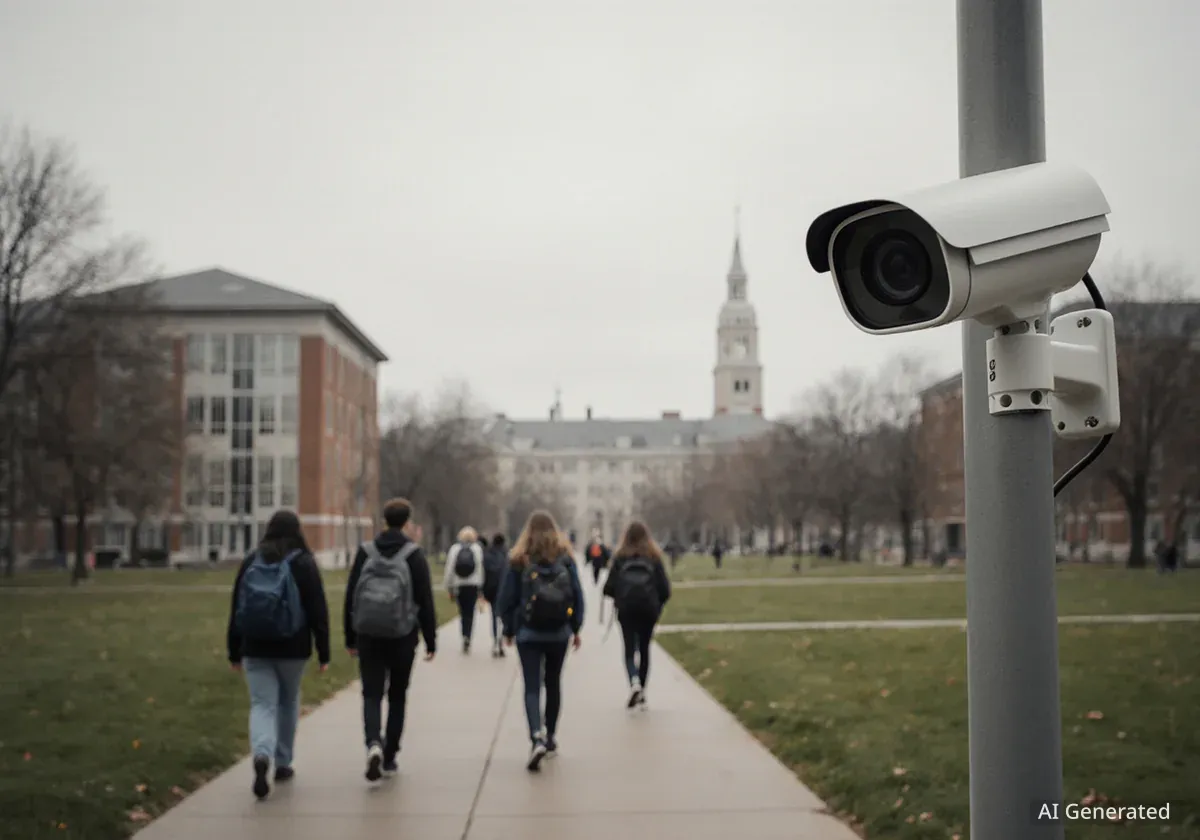
The university's new initiatives aim to create a more secure environment. Key changes include expanding the network of blue light emergency phones and surveillance cameras, requiring university ID cards for entry into all campus buildings, and maintaining what officials call an "elevated and visible" police presence.
Many students have found these measures reassuring. "I personally feel safe and I think that's because of like the increased presence," Naik commented. He observed a tangible difference in daily routines that were once automatic.
"I've noticed most buildings I've walked into now have at least like some security guard or something at the front. Buildings I used to like just walk into like without swiping, like the CS building for example, I have to swipe into."
These new protocols are a constant reminder of the incident that prompted them, contributing to the altered campus dynamic. The balance between fostering an open academic environment and ensuring physical safety is a new reality for the Brown community.
Ripples Felt Across Providence Campuses
The impact of the shooting extends beyond the borders of Brown's campus. In a city known for its vibrant student population, the sense of unease has been felt at neighboring institutions as well.
Paulina Zambrana, an international student at Johnson & Wales University, explained how the entire student community in Providence is affected. "We feel the difference. We feel like everyone hurting and how the whole community feels completely different," she said.
Zambrana has spoken with friends at Brown about their return. "They just told me how everything feels completely different. Even if it's been weeks from the tragedy, it's just not the same." The event has also changed her personal habits, making her more vigilant.
A Heightened Sense of Awareness
Students across Providence report being more conscious of their surroundings. "I'm more aware of my surroundings from now on. I try to keep my music down in case something happens," said Paulina Zambrana of Johnson & Wales University.
A student from the Rhode Island School of Design (RISD), whose campus sits adjacent to Brown's, also described the atmosphere as "weird." The close proximity of the schools means that events on one campus are deeply felt on the other.
Concerns Over Emergency Communication
The tragedy has also highlighted critical gaps in inter-campus emergency communication systems. The close physical relationship between Brown and RISD is not matched by their safety alert networks, a point of concern for students.
A RISD student recalled the confusion on the day of the shooting. He stated that it took over an hour for him to receive a notification from his school, and the message was vague, only mentioning "police activity" without specifying the nature of the threat.
This delay and lack of clarity prompted action from the student body.
- A petition was reportedly circulated in December calling for the two universities to link their safety alert systems.
- The goal is to ensure students at both institutions receive timely and accurate information during an emergency on either campus.
- As of the start of the new semester, the student who mentioned the petition was unaware if any official action had been taken to integrate the systems.
As students settle in for the spring semester, the Brown University community and its neighbors are grappling with the complex process of healing. The new security measures provide a framework for physical safety, but rebuilding the sense of community and normalcy will be a longer, more challenging journey.