
In an era where the value of a college degree is under constant scrutiny, DePauw University is championing a comprehensive educational model focused on developing leadership and critical thinking. The institution emphasizes a co-curricular liberal arts approach, designed to prepare students for the complexities of the modern professional world.
This strategy combines rigorous academics with a highly engaged campus life, aiming to produce graduates who can make a tangible impact on a global scale. The university positions itself not just as an educational provider, but as a partner in a student's long-term investment in their future.
Key Takeaways
- DePauw University integrates a liberal arts curriculum with practical leadership and critical thinking development.
- The campus experience is a core part of the educational model, featuring over 100 student clubs and organizations.
- The university frames its tuition as a vital investment and partners with families on financial accessibility.
- The ultimate goal is to empower students to become influential leaders capable of addressing global challenges.
A Focus on Leadership and Critical Thinking
The core of DePauw's academic philosophy is the belief that today's world requires more than just specialized knowledge. The curriculum is structured to cultivate essential skills that are transferable across industries and adaptable to future changes in the job market.
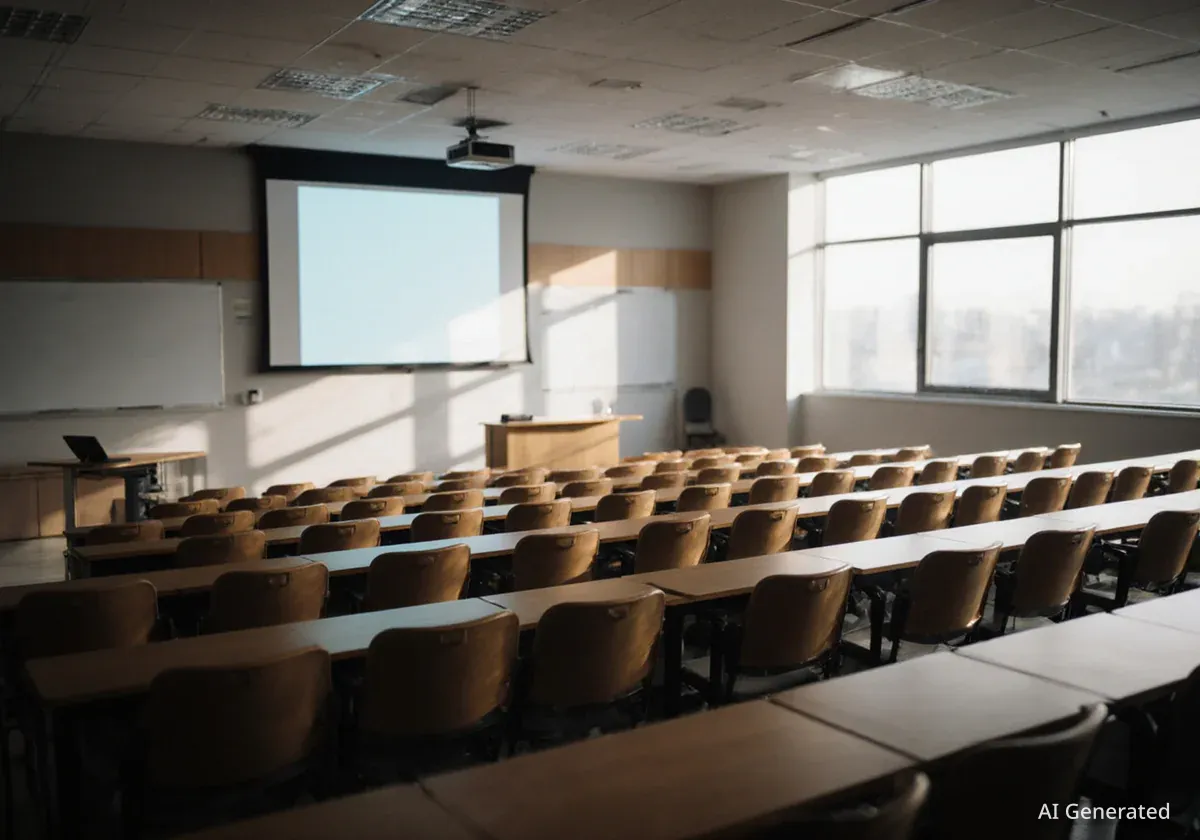
Faculty members are central to this process, guiding students through a liberal arts framework that encourages questioning, analysis, and debate. This method is intended to move beyond simple memorization, pushing students to develop sophisticated problem-solving abilities.
What is a Liberal Arts Approach?
A liberal arts education emphasizes broad knowledge across the humanities, social sciences, natural sciences, and arts. Unlike a purely vocational or technical program, its goal is to develop general intellectual capacities such as reasoning, communication, and critical evaluation, preparing students for a wide range of professions and for lifelong learning.
By focusing on these foundational skills, the university aims to equip students not for their first job, but for their entire career trajectory. The emphasis is on creating leaders who can navigate ambiguity and drive innovation in their respective fields.
The Role of a Vibrant Campus Community
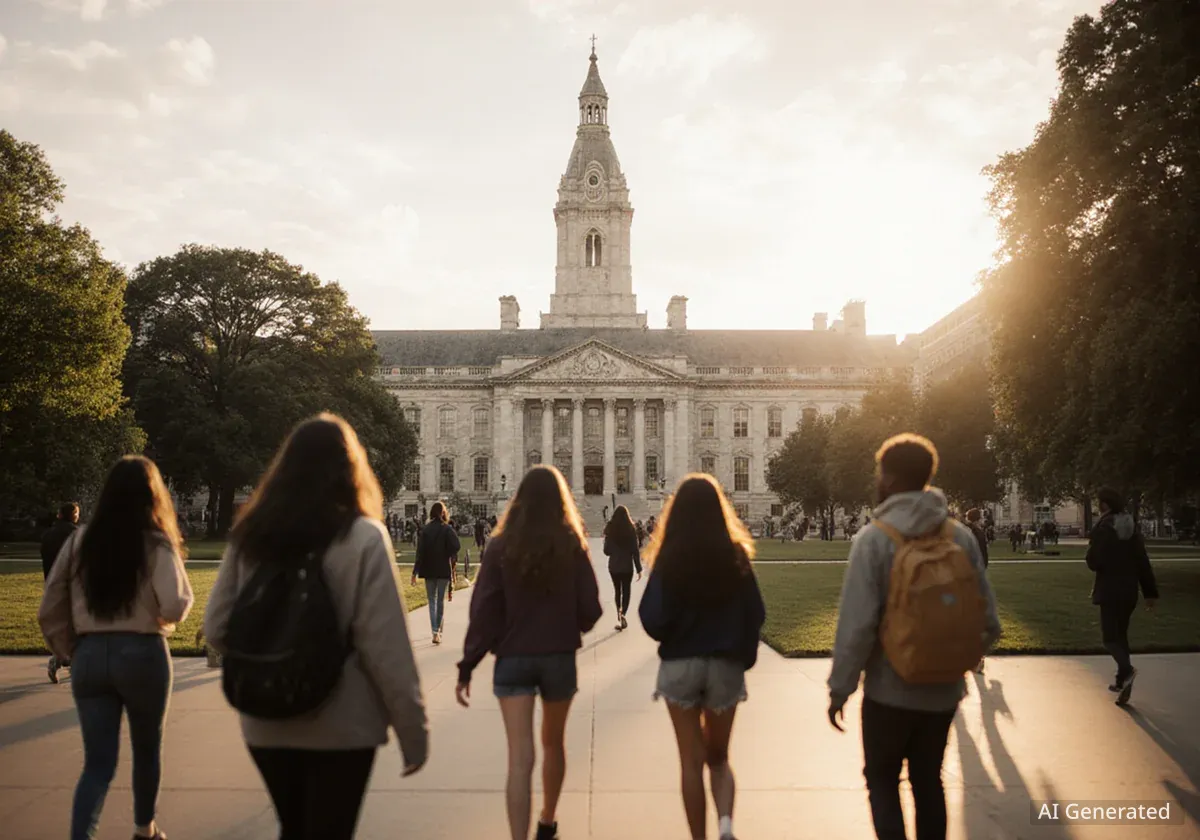
DePauw's educational model extends far beyond the classroom walls. The institution actively promotes a deeply interconnected campus life, viewing it as an essential component of student development. This environment is designed to be a practical training ground for the skills learned in academic settings.
With a diverse array of over 100 clubs and organizations, students have numerous avenues to explore interests, take on leadership roles, and collaborate with their peers. This active community life is not seen as an extracurricular add-on but as an integral part of the learning experience.
This continuous calendar of community activities ensures that students are constantly engaged. The university believes that this high level of involvement fosters a sense of belonging and provides a supportive network, which in turn enhances academic performance and personal growth. It's an environment where education is something students live, not just something they receive.
Making Education an Accessible Investment
Recognizing the significant financial commitment a college degree represents, DePauw University addresses affordability as a partnership with students and their families. The institution's approach to admission and financial aid is built on ensuring its programs are accessible.
The university's administration emphasizes that a degree is a crucial investment in one's future. To support this, they work to create financial aid packages that make their academic and residential programs attainable for a wider range of students.
A Partnership Model for Financial Aid
Instead of a purely transactional process, the financial aid office aims to collaborate with families. This involves helping them navigate the complexities of funding a college education and understanding the long-term value proposition of the degree.
This philosophy is critical in today's higher education landscape, where concerns about student debt are paramount. By framing the degree as a shared investment, DePauw seeks to build trust and demonstrate a commitment to student success beyond graduation.
Preparing Graduates for Global Impact
The ultimate objective of DePauw's model is to create a transformative learning environment that empowers graduates to be influential on a global scale. The combination of strong academics, leadership training, and a dynamic campus life is geared toward this singular goal.
The university doesn't just aim to impart knowledge; it seeks to instill a sense of purpose and capability. Graduates are expected to leave not only with a degree but with the confidence and skills needed to effect tangible, positive change in the world.
"Here you won’t just earn an education, you’ll live it."
This sentiment captures the essence of the university's holistic approach. It suggests that the experiences gained—from rigorous classroom debates to leading a student organization—are all part of a cohesive journey toward becoming an effective and engaged global citizen.
In a competitive world, DePauw's focus on creating well-rounded, critically-minded leaders represents a distinct strategy in higher education. It's a model built on the idea that true success is measured not just by career achievements, but by the positive impact one has on the wider community.