



The Houston Independent School District's board of managers has unanimously approved a plan to close and consolidate 12 schools, a decision made late Thursday night during a contentious meeting marked by emotional protests from parents and community members. The 9-0 vote came despite widespread calls from families and elected officials to delay the process.
District officials cited declining enrollment and significant budget pressures as the primary reasons for the closures. However, the decision was met with immediate backlash from attendees, who argued the plan unfairly targets minority neighborhoods and was pushed through without adequate community input.
Key Takeaways
- The HISD board of managers voted 9-0 to close and consolidate 12 school campuses.
- The decision was met with intense protests from parents, community members, and advocates during the board meeting.
- Critics argue the closures disproportionately affect low-income, Black, and brown neighborhoods and were approved on an accelerated timeline.
- District leadership maintains the closures are necessary for fiscal responsibility and to improve student learning environments.
A Boardroom Filled with Emotion and Outcry
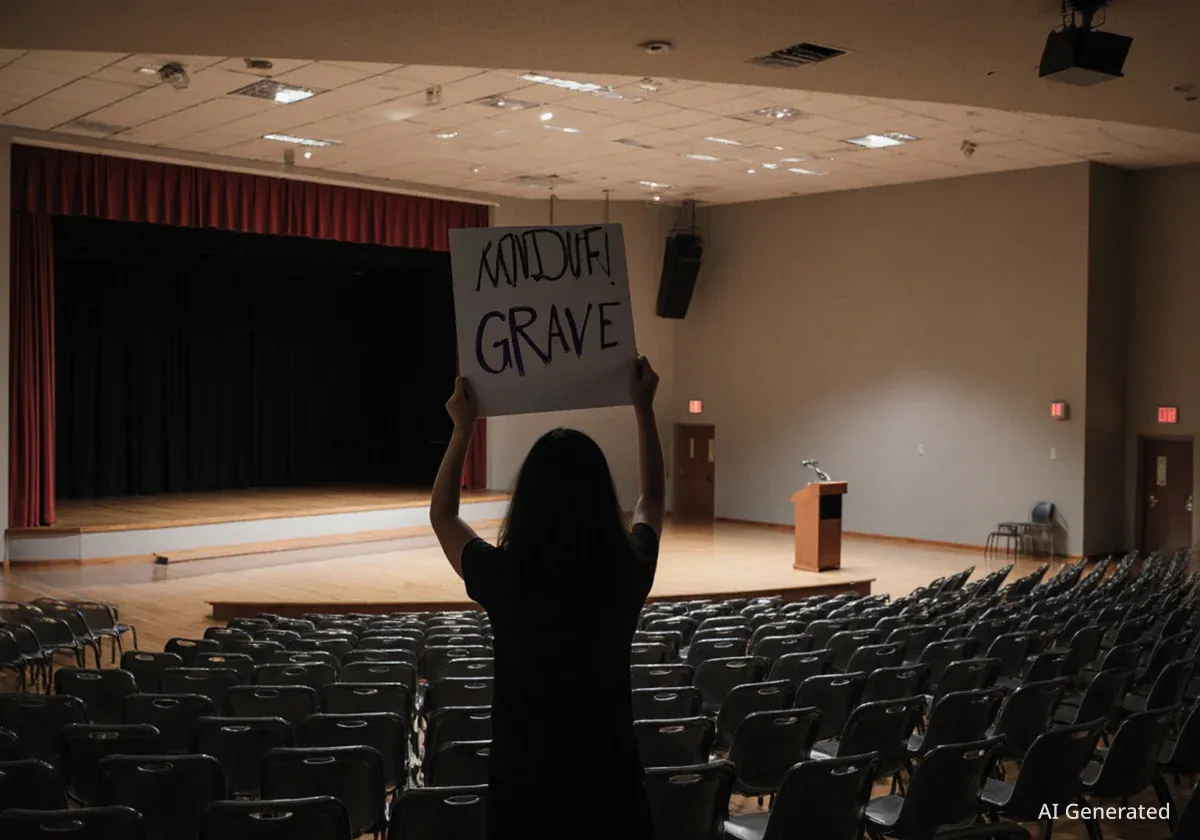
The atmosphere inside the HISD boardroom was tense from the start. Parents, students, and community advocates filled the room, many holding signs and preparing to voice their opposition to the closure plan. As the meeting progressed, the proceedings were repeatedly interrupted by emotional pleas and chants from the audience.
Security was a visible presence throughout the evening. At several points, officers were required to intervene, escorting at least two speakers from the room after they exceeded their allotted time at the podium and refused to yield the floor. The rising tension prompted the board of managers to temporarily recess and leave the room before returning to finalize the vote.
When the unanimous 9-0 decision was announced, the room erupted in boos and shouts of disapproval. Board members called for order as parents and community members expressed their frustration and grief. Following the vote, many gathered in the hallways, consoling one another. "They reduced our children to numbers on a spreadsheet," said parent Tashiba Dixon in the aftermath.
Concerns Over Equity and a Rushed Timeline
A central point of contention for opponents was the timeline. Community members and local leaders said the district provided only two weeks' notice before the scheduled vote, leaving little time for meaningful feedback or analysis. State Senator Carol Alvarado was among the officials who urged the board to postpone the decision. "They need to slow this thing down," she stated, highlighting the brief period between the announcement and the vote.
No Elected Board in Place
A significant factor in the community's frustration is the current governance structure of HISD. The district is managed by a state-appointed board of managers rather than a locally elected school board. This has led many residents, including City Councilman Edward Pollard, to feel that their voices are not being represented in critical decisions affecting their neighborhoods.
Several state representatives, including Gene Wu, Christina Morales, and Armando Walle, have also raised questions about whether the district followed proper notification policies. They are requesting a detailed equity impact analysis to understand how the 12 specific campuses were selected for closure.
Accusations of Targeting Minority Communities
Community advocates have been vocal in their assertion that the schools slated for closure were not chosen at random. Ruth Kravetz of the organization Public Voices for Public Schools pointed out a troubling pattern. "Every single one of the 12 schools are super under-resourced Black and brown neighborhoods," Kravetz said. "It's almost as if Mike Miles said, 'Where are the poorest people so I can close these schools.'"
This sentiment was echoed by many parents who felt their communities were being dismantled. "I feel like it was something they already knew was going to happen," said parent Vianey Torres after the vote. "Like it wasn’t a fair fight to begin with."
District Cites Fiscal Responsibility
Superintendent Mike Miles defended the board's decision, framing it as a difficult but necessary step toward fiscal stability and improved educational outcomes. He acknowledged the community's pain but emphasized his obligation to the district as a whole.
"I'm saddened by this, but at the same time, I have a responsibility to be fiscally responsible and put our kids in the best environment that they can possibly be in to learn well," Miles said.
The administration has pointed to years of declining enrollment at the selected schools as a key factor, arguing that operating under-capacity buildings is an inefficient use of taxpayer funds. By consolidating campuses, the district hopes to create more robust learning environments with better resources for the remaining students.
Miles also offered reassurance to district employees affected by the closures. He stated that any teacher who was set to be retained for the upcoming school year will still have a job within HISD, even if their current campus is closing.
What Comes Next for Families and Schools
With the vote now final, the district will move forward with its transition plan. This will involve a series of additional meetings with the families from the affected schools to outline the next steps and discuss school options for their children.
For many parents, the focus is now shifting from protest to planning. The emotional weight of the decision remains, but practical considerations about where their children will attend school next year have become a pressing reality. In an act of protest, some parents indicated they would not send their children to school on Friday.
The closures represent a significant change for the affected neighborhoods and a pivotal moment for the state-managed district as it continues to navigate financial challenges and community trust.