Idaho's higher education institutions are preparing for immediate staff reductions, larger class sizes, and significant program cuts following a legislative directive to model budget reductions. University and college officials submitted plans outlining severe consequences, including impacts on medical school partnerships and even athletic departments, if the proposed cuts are enacted.
The request for budget-cutting scenarios, initiated by the co-chairs of the Joint Finance-Appropriations Committee, has sent a wave of concern through the state's public institutions. While lawmakers state that the cuts are not finalized, the detailed submissions from colleges paint a stark picture of what lies ahead if funding is reduced in the current and upcoming fiscal years.
Key Takeaways
- Idaho colleges and universities were directed to prepare budget-cutting scenarios of 1% and 2% for the current and next fiscal years.
- Potential impacts include immediate staff furloughs, faculty hiring freezes, and permanent position eliminations across multiple campuses.
- High-profile programs, such as the University of Idaho's medical school partnership and Boise State's athletics, are at risk.
- State Superintendent Debbie Critchfield refused to submit a plan for K-12 public schools, arguing she had already made necessary cuts.
A Directive Sparks Widespread Concern
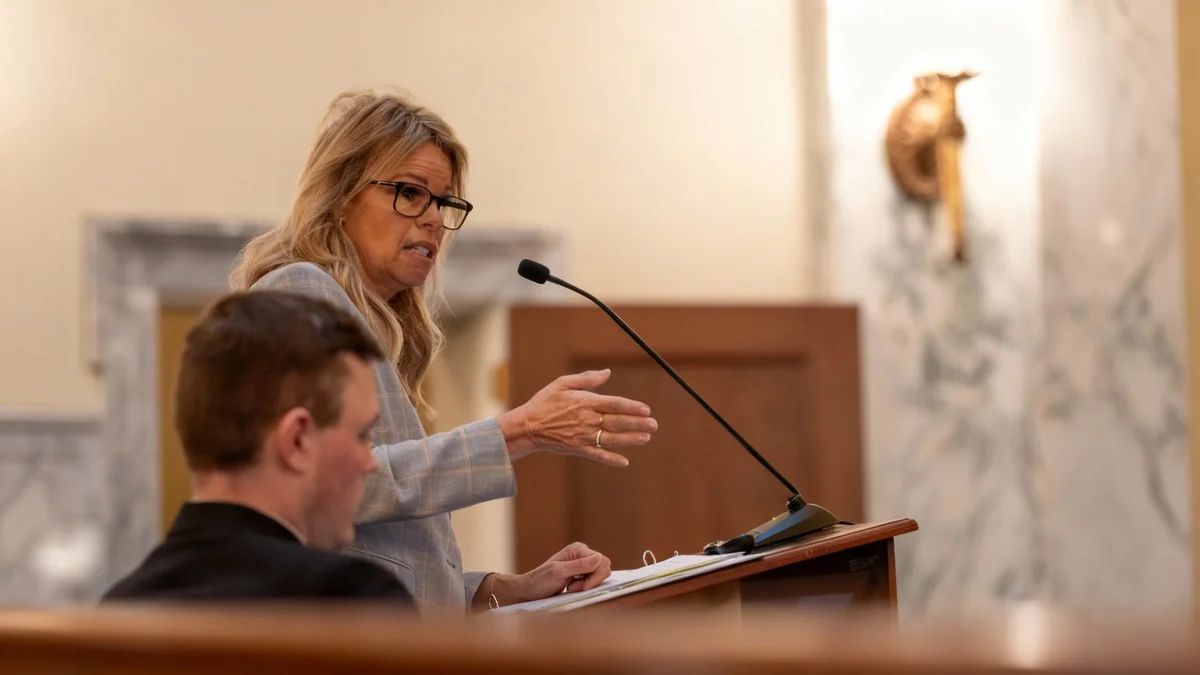
The push for budget scenarios began when legislative staff, at the request of Sen. C. Scott Grow and Rep. Josh Tanner, directed most state agencies to submit plans for 1% and 2% budget cuts. The initial memo exempted public schools, but a subsequent directive included them, drawing a firm refusal from State Superintendent Debbie Critchfield.
In a letter to the committee leaders, Critchfield stated, "The public schools budget is more than numbers on a spreadsheet. It represents every one of our students, classrooms, teachers and communities." She asserted that she would not recommend further cuts to the K-12 budget, a move that highlights the tension between legislative budget writers and state education leaders.
While Rep. Tanner has indicated that the request is part of exploring all options, agency heads have responded with detailed and often grim forecasts. Jennifer White, Executive Director of the State Board of Education, emphasized that colleges have already absorbed a 3% spending reduction ordered by Gov. Brad Little in August. "We have prepared good faith submissions, but do not recommend or support further reductions," White wrote, cautioning that another round of cuts could cause unintended damage.
Previous Budget Reductions
The current request for cuts comes on the heels of a 3% budget holdback ordered by Gov. Brad Little for most state agencies, which began in August. Education officials argue this context makes any further reductions particularly difficult to absorb without impacting core services.
University Programs on the Chopping Block
Idaho's major universities have detailed how even a small percentage cut could have a significant impact on students, faculty, and research. The plans submitted reveal that staff positions and student support services would be the first to be affected.
Boise State University
At Boise State, potential cuts could delay the hiring of up to nine faculty members for high-demand fields like engineering, health sciences, and education. The university also warned that staff salaries in research support and student admissions could be reduced.
Even the university's prominent athletics program is not immune. A memo from the university stated that budget cuts could translate to a $100,000 impact on maintaining facilities used by over 600,000 spectators annually, potentially undermining the program's ability to compete nationally.
University of Idaho
The University of Idaho anticipates cutting staff this year and next, which would lead to higher student-to-teacher ratios and fewer student advising programs. Undergraduate research opportunities would also be curtailed.
"A 2% budget reduction … would necessitate downsizing and reallocation of the (WWAMI) faculty workforce." - University of Idaho Memo
A significant concern is the potential impact on the WWAMI medical school program, a long-standing partnership with the University of Washington that trains doctors for Idaho. The program could face $300,000 in cuts over two years, forcing a reduction in faculty.
Idaho State University
Idaho State University is preparing for mandatory furloughs for all employees earning over $60,000 per year if cuts are implemented in the current budget cycle. For the following year, the university would turn to staff reductions and restructuring.
These actions, according to their submission, "will impact student services and support and planned expansion of high-demand workforce programs." A dental education partnership with Creighton University could also be jeopardized.
Statewide Higher Education Cuts
- 1% Cut: $3.8 million per year
- 2% Cut: $7.7 million per year
These figures represent the total reduction across all state colleges and universities under the proposed scenarios.
Impact Extends to Community and Technical Colleges
The potential budget reductions are not limited to four-year universities. Community colleges and career-technical programs, which are crucial for workforce development, have also outlined serious consequences.
The Division of Career Technical Education warned that a 2% cut would force the elimination of two full-time state positions and defund programs that support K-12 and higher education. In their memo, officials wrote that reductions "weaken Idaho’s long-term economic competitiveness by disrupting Idaho grown talent pipelines."
Community colleges across the state detailed similar impacts:
- College of Eastern Idaho: Freeze vacant positions and eliminate seven roles in instruction and student support.
- College of Southern Idaho: Eliminate a full-time instructor position and reduce operational funds for science and medical class supplies.
- College of Western Idaho: Every 1% cut would eliminate funding equivalent to 2.25 full-time positions.
- North Idaho College: Enact a partial hiring freeze and implement an early retirement program, leading to a loss of institutional expertise.
Specialized Programs and Services at Risk
Beyond the classroom, the proposed cuts threaten a wide range of state-supported educational and community programs. The state's health education programs, which fund residencies for medical school graduates, would be undermined. Officials from the Graduate Medical Education Committee called the potential cuts unsustainable, stating, "Cutting funding for this priority simply doesn’t make sense."
The Idaho Commission for Libraries would have to hold off on filling critical vacancies and could be forced to eliminate contracts for the Libraries Linking Idaho database, a statewide online resource used by students, job seekers, and the general public.
The STEM Action Center also reported that a 2% cut would reduce aid for rural students and affect science and engineering fairs. As state agencies await a final decision from the legislature, the detailed scenarios provide a clear warning about the potential trade-offs involved in balancing the state budget.