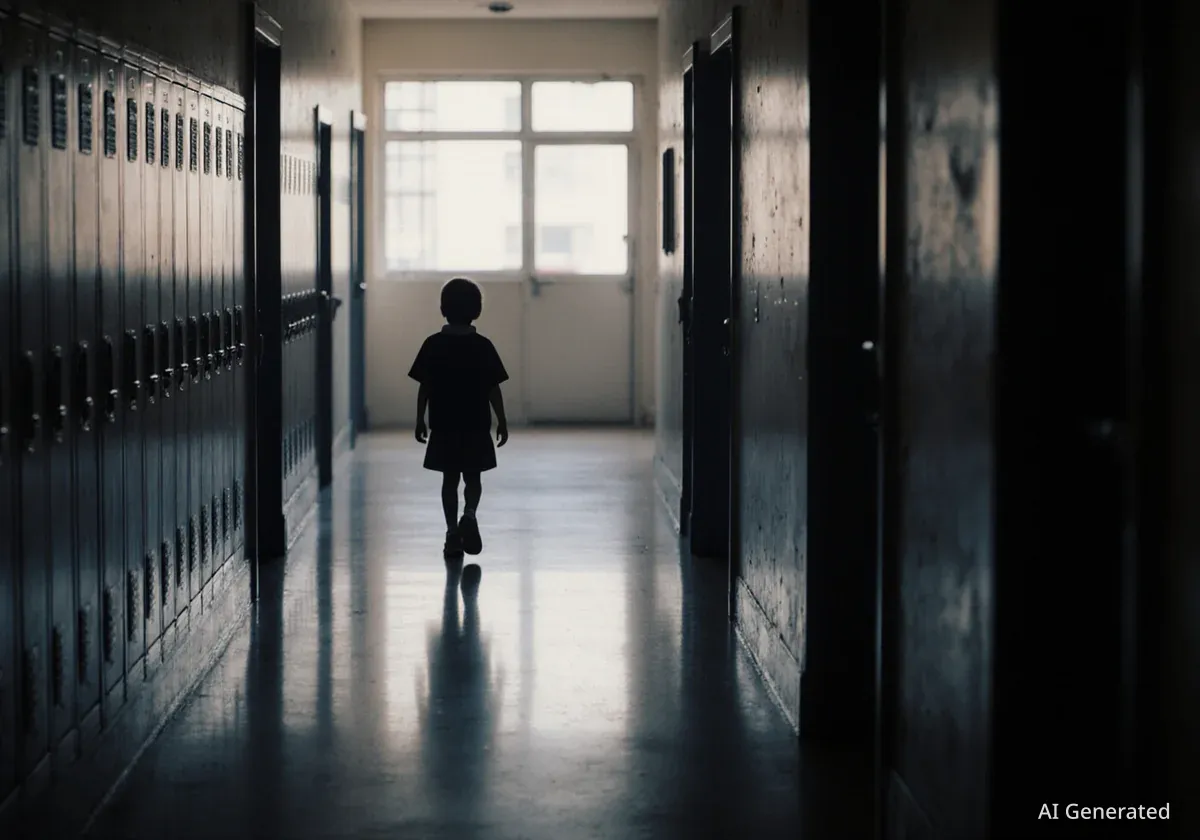
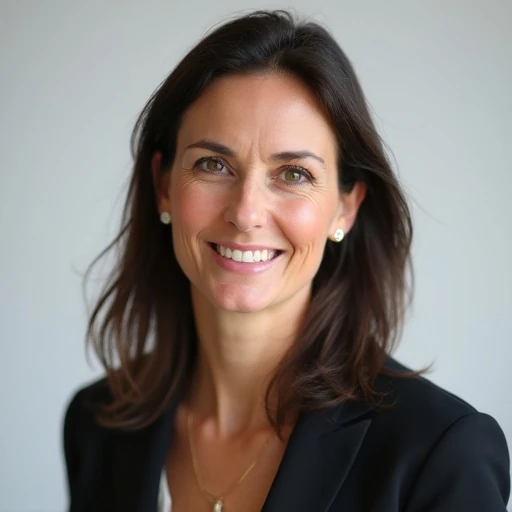
For one 14-year-old girl, the school day began not with books, but with crippling anxiety that left her physically ill. Her mother, Lisa Jones, faced a stark choice: continue with a system that was breaking her daughter, or find a different path. She chose the latter, pulling her daughter out of traditional schooling in a decision that would transform their lives.
The teenager, Maya, was struggling with a combination of dyslexia, dyscalculia, and inattentive ADHD. Despite these challenges, her academic performance was considered adequate. But beneath the surface, the daily effort to conform and keep up had pushed her nervous system to a state of complete burnout, manifesting in daily nausea, exhaustion, and overwhelming anxiety.
Key Takeaways
- A 14-year-old with multiple learning disabilities was removed from traditional school due to severe anxiety and burnout.
- The school system failed to identify her struggles, which included dyslexia, dyscalculia, and inattentive ADHD.
- An initial period of “unschooling” focused on life skills and real-world experience led to a dramatic improvement in her well-being.
- The family is transitioning to a structured virtual school, which offers accredited learning with more flexibility and less social pressure.
- The move highlights a growing conversation among parents about the suitability of conventional education for neurodivergent children.
The Hidden Cost of 'Getting By'
On paper, Maya was not a failing student. Her report cards did not raise alarms, and no teachers flagged significant concerns. However, the internal cost of maintaining this appearance was immense. Each morning was met with tears, and each day at school was an exercise in survival, running on adrenaline to navigate social pressures and academic demands that were not designed for her neurotype.
“Her nervous system was in complete burnout,” her mother, Lisa Jones, explained. “She would come home and just collapse, because home was the only place it felt safe to fall apart.”
The journey to understand the root of Maya's struggles was driven entirely by her mother's intuition. It was Jones who sought out specialists, pursued diagnoses, and advocated for her daughter while the education system remained unaware of the depth of the problem. This proactive approach led to crucial discoveries.
Uncovering the Diagnoses
The first diagnosis was dyslexia. Through specialized treatment that focused on retraining how her eyes sent information to her brain, Maya’s dyslexia symptoms were significantly reduced after about 10 sessions. This was followed by a diagnosis of dyscalculia, a learning disability affecting the ability to understand and work with numbers.
A Trio of Challenges
Maya was diagnosed with three distinct conditions:
- Dyslexia: Affects reading and language processing.
- Dyscalculia: Affects understanding of numbers and math concepts.
- Inattentive ADHD: Affects focus, attention, and executive function.
Finally, a pediatrician confirmed inattentive ADHD. Medication for the condition proved to be life-changing, but it was not a complete solution. Years of trying to fit into an unforgiving system had taken a toll, leading to a prescription for anxiety medication as well. Yet, the most significant change came not from a pill, but from a fundamental shift in her educational environment.
A New Approach to Learning
The decision to leave the traditional school system marked the beginning of a new chapter. Jones initially embraced a concept known as “unschooling,” which prioritizes learning through life experiences rather than a set curriculum. This period was dedicated to healing and rediscovery.
Instead of sitting at a desk, Maya pursued her interests. She earned a first aid and paramedic certification, trained as a barista, and explored her creativity through special effects makeup. She gained practical experience by getting a part-time job at a café and even traveled internationally to learn about global business sourcing.
“The shift in her energy has been extraordinary. The constant stomach aches? Gone. The morning tears? Gone. The girl who couldn’t get out of bed is now asking what’s next.”
The physical symptoms of her anxiety and stress disappeared. The constant fatigue was replaced with curiosity and engagement. This period of de-schooling allowed her to recover from the burnout and reconnect with her own interests and passions, proving that learning was not the problem—the environment was.
What is Unschooling?
Unschooling is an educational philosophy that allows children to learn through their natural life experiences, including personal interests, play, and household responsibilities. It operates on the principle that curiosity-driven learning is more effective and meaningful than a rigid, top-down curriculum.
The Future is Virtual
While unschooling provided a necessary reset, the family has planned a more structured next step. Maya will enroll in a virtual school, a model that offers a balance of formal education and personal freedom. This program involves 2.5 hours of live, curriculum-based classes with qualified teachers each day.
This structure ensures she receives an accredited education while leaving her afternoons free for other pursuits. She can continue to work, travel, explore hobbies, or simply rest—a critical component of managing her well-being. This hybrid approach prioritizes what Jones calls “nervous system safety” alongside academic progress.
Addressing Common Concerns
One of the most frequent questions parents face when choosing alternative education is about socialization. Jones is direct in her response.
“My daughter was surrounded by 1,200 students every day and felt completely alone,” she stated. “She was bullied, overlooked and exhausted. That’s not socialization; that’s survival.”
Now, Maya engages with people through her job and travels, building connections based on shared interests rather than forced proximity. She has the energy to be herself and is learning vital life skills, such as recognizing her own limits and advocating for her needs.
Cost is another significant barrier for many families. However, in this case, the virtual school is more affordable than Maya's previous private school. The annual tuition of approximately $7,000 AUD is half the previous cost, and the included online tutoring support eliminates the need for expensive private tutors. Jones acknowledges her privilege in having a flexible job that allows for this model, but emphasizes the need for more accessible and low-cost alternative education options for all families.
For parents watching their own children struggle in a system that doesn't seem to fit, Jones's message is clear: trust your instincts. “You know your child better than any curriculum does,” she advises. “When the model doesn’t fit, you don’t break the child. You build something different.”