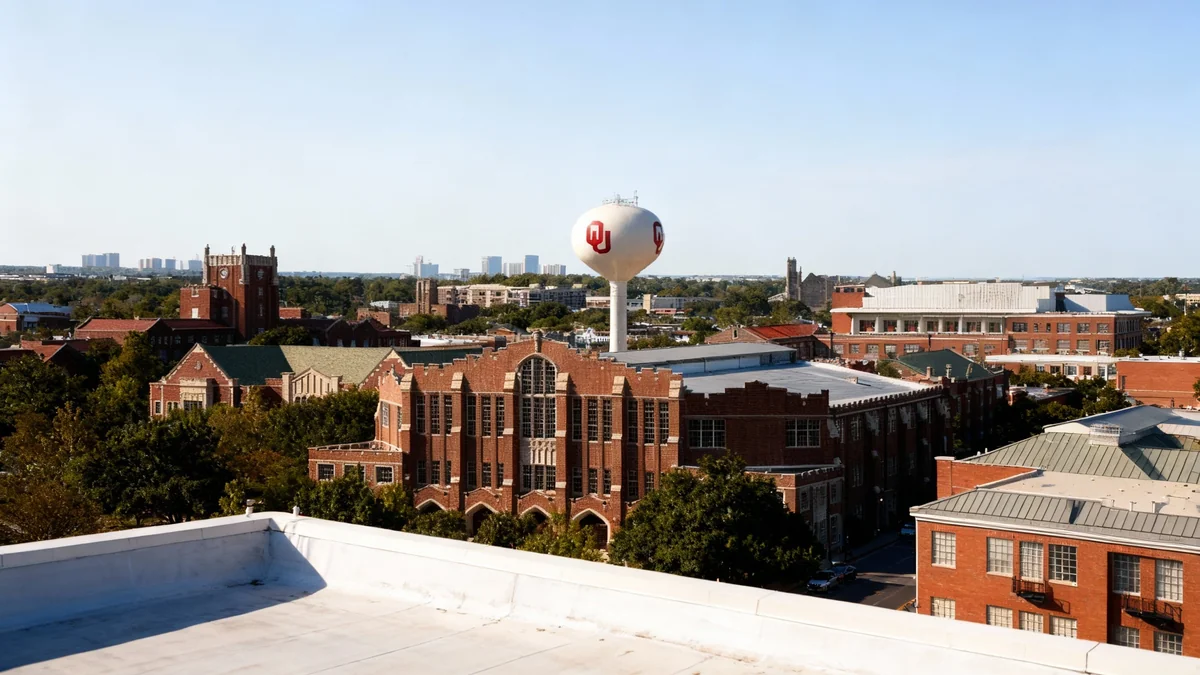

A graduate student instructor at the University of Oklahoma has been placed on administrative leave following a dispute over a zero grade given to a student for an essay on gender. The student, Samantha Fulnecky, claims she is a victim of religious discrimination after her essay, which cited the Bible and described the concept of multiple genders as “demonic,” was deemed unresponsive to the assignment.
The university has confirmed it is investigating the incident, which has ignited a debate on campus about the boundaries of academic freedom, religious expression, and classroom requirements. The controversy places the University of Oklahoma at the center of a national conversation regarding how sensitive topics like gender identity are handled in higher education.
Key Takeaways
- A University of Oklahoma psychology instructor is on administrative leave after giving a student a zero on an essay about gender.
- The student, Samantha Fulnecky, argued that the concept of multiple genders is a “demonic” lie, citing the Bible in her response.
- The instructor determined the essay did not fulfill the requirements of the assignment, which was to analyze a scholarly article on gender norms.
- Fulnecky has filed a complaint alleging religious discrimination, escalating the classroom dispute into a broader institutional issue.
- The university is now investigating the matter, highlighting the ongoing tension between academic standards and First Amendment rights on college campuses.
The Assignment at the Center of the Controversy
The conflict originated in a psychology class where students were tasked with analyzing a scholarly article. The source material discussed the role of teasing as a social mechanism for enforcing traditional gender norms. Students were expected to engage with the academic arguments presented in the text.
However, Samantha Fulnecky’s submission took a different direction. Instead of analyzing the article's points, her essay presented a theological argument against the existence of multiple genders. She reportedly wrote that she did not see the enforcement of gender norms as a problem and asserted that the idea of multiple genders is a “demonic” lie.
The instructor, a graduate student at the university, concluded that the essay failed to meet the assignment's core requirements. The paper was given a grade of zero, not for its religious content, but because it did not address the prompt. This decision set the stage for a significant campus-wide debate.
Allegations of Discrimination and University Response
Following the zero-grade decision, Fulnecky alleged that she was penalized for expressing her religious beliefs. She characterized the instructor's action as religious discrimination, a serious charge that questions the fairness and impartiality of the academic grading process.
Navigating Free Speech in Academia
American universities frequently grapple with balancing academic freedom and free speech. While the First Amendment protects students' rights to express their views, universities also maintain academic standards that require students to demonstrate comprehension and engagement with course material. This case highlights the difficulty in distinguishing between penalizing a viewpoint and grading based on academic merit.
The University of Oklahoma responded by placing the instructor on paid administrative leave pending a full investigation. In a statement released on social media, the university confirmed its commitment to reviewing the circumstances surrounding the grade and the subsequent complaint.
“The University of Oklahoma is committed to fostering an inclusive and respectful learning environment while upholding academic standards,” a university spokesperson said in a prepared statement. “We are taking this matter seriously and will conduct a thorough and impartial investigation.”
This action has drawn both praise and criticism. Supporters of the student see it as a necessary step to protect religious freedom, while others argue it could create a chilling effect on instructors' ability to enforce academic guidelines without fear of reprisal.
A National Pattern of Campus Conflicts
The incident at the University of Oklahoma is not an isolated event. It reflects a growing trend of conflicts on college campuses across the United States where classroom discussions on gender, race, and religion become flashpoints for broader cultural and political debates.
The Role of External Organizations
Student advocacy groups have become increasingly involved in these disputes. Organizations like Turning Point USA, a conservative youth group, often amplify student complaints, framing them as battles for free speech against liberal academic institutions. This external involvement can quickly elevate a classroom disagreement into a national news story, putting significant pressure on university administrators.
Academic Freedom Under Scrutiny
According to the Foundation for Individual Rights and Expression (FIRE), there has been a noticeable increase in campaigns targeting scholars for their teaching or research. These incidents often involve contentious topics and test the limits of institutional commitments to academic freedom.
These conflicts often involve competing interpretations of fundamental rights. Students assert their First Amendment rights to free speech and religious expression, while faculty and universities emphasize the importance of maintaining academic rigor and ensuring that assignments are completed as instructed. The core of the issue often becomes whether a student is being graded on their opinion or on their failure to meet established academic criteria.
The Path Forward: Balancing Rights and Responsibilities
As the University of Oklahoma proceeds with its investigation, the outcome will be closely watched by educators, students, and civil liberties advocates nationwide. The central question remains: How can universities protect students' rights to express diverse, and sometimes controversial, viewpoints while ensuring that academic standards are met?
For instructors, the incident raises concerns about their autonomy in the classroom. The decision to place the instructor on leave could be seen as a move that undermines their authority to grade based on established rubrics. It highlights the professional risk involved in teaching subjects that intersect with deeply held personal beliefs.
For students, the case underscores the importance of understanding the distinction between personal expression and academic analysis. While personal beliefs are protected, university coursework typically requires students to engage with and analyze assigned materials, a skill central to higher education.
The resolution of this case will likely set a precedent for how the University of Oklahoma, and potentially other institutions, handle similar situations in the future. It serves as a critical test of the university's policies on academic freedom, student rights, and the role of instructors in evaluating student work on its scholarly merits.