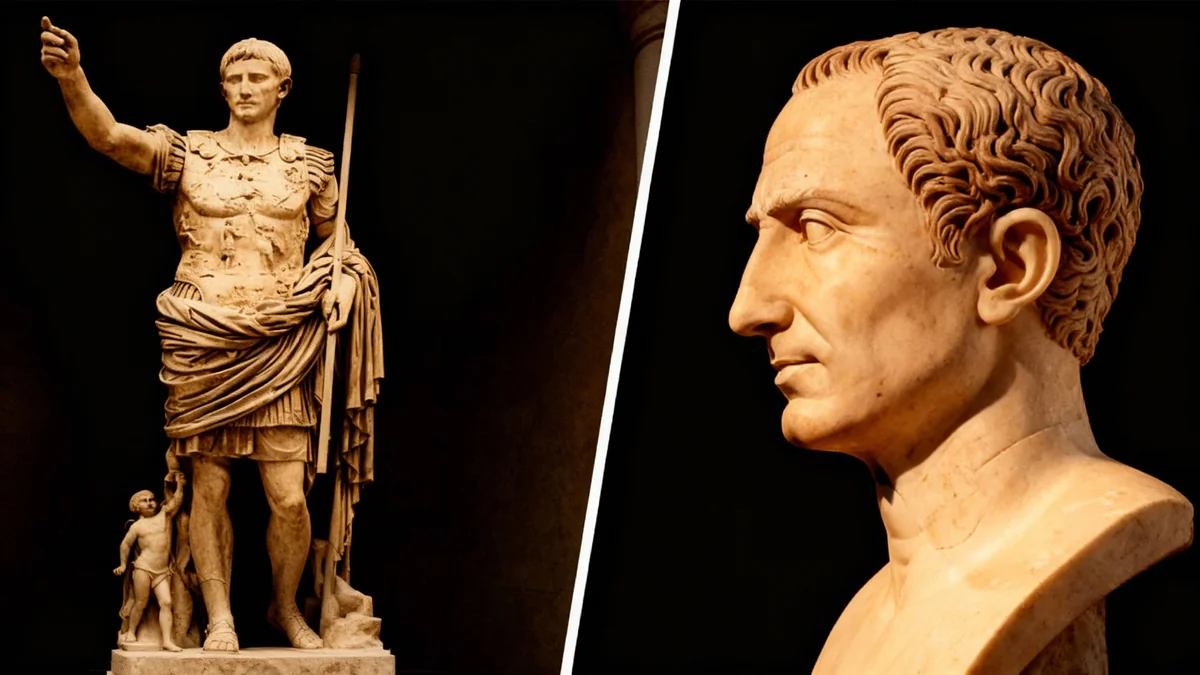


A significant curriculum error at nine high schools in northeastern Australia has led to 140 senior students being exempted from a statewide ancient history exam. The students were taught about the Roman emperor Augustus Caesar for months, only to discover days before the test that the required subject was his predecessor, Julius Caesar.
The mistake, which came to light just 48 hours before the scheduled exam, prompted an immediate response from education officials who have launched a full investigation into the matter.
Key Takeaways
- 140 high school seniors in Queensland were taught the incorrect curriculum for their ancient history exam.
- The error involved studying Augustus Caesar instead of the required topic, Julius Caesar.
- Affected students were granted an exemption from the exam, which accounts for 25% of their final grade.
- Queensland's Education Minister has described the situation as "extremely traumatic" and promised a thorough investigation.
A Last-Minute Discovery
The curriculum blunder was identified on the Monday before the Wednesday exam, creating a wave of panic and confusion among students and teachers. For months, students at the nine affected schools had dedicated their studies to the life and reign of Augustus, the first Roman Emperor.
However, the official statewide exam was set to test their knowledge of Julius Caesar, the Roman general and statesman whose assassination preceded Augustus's rise to power. The two figures, while connected, represent distinct periods and themes in Roman history.
Upon realizing the critical error, the schools immediately applied for an exemption from the exam. The request was granted, sparing the 140 students from having to sit a test on a subject they had not studied.
Official Response and Grading Adjustments
Queensland's Education Minister, John-Paul Langbroek, addressed the issue publicly, expressing his concern for the students caught in the middle of the administrative failure.
"I'm very unhappy about the situation," Langbroek stated. He described the experience for the students as "extremely traumatic" and gave assurances that an investigation would be conducted to prevent a recurrence.
The minister also emphasized that the affected students would not be penalized for the mistake. "I will ensure those students are not disadvantaged in any way," he added.
Grading Impact
The ancient history exam constitutes 25% of the students' final grade for the year. With the exemption, the 140 affected students will now have their final marks calculated based on their performance in the other coursework and assessments, which make up the remaining 75% of their grade.
This decision, while necessary, has raised concerns among some parents. Reports indicate that the stress and last-minute cramming attempts before the exemption was confirmed may have negatively impacted students' preparations for other exams scheduled during the same period.
Tracing the Source of the Error
The root of the problem appears to be a communication breakdown regarding a curriculum update issued two years ago. The Queensland Curriculum and Assessment Authority (QCAA), the body responsible for setting the syllabus, confirmed it had notified all 180 high schools in the state of the change.
The notification specified that the ancient history topic would shift to Julius Caesar for the 2025 academic year. The previous four years had focused on Augustus Caesar. Despite this two-year lead time, nine high schools failed to implement the updated curriculum, continuing to teach the outdated topic.
Curriculum Changes in Education
Statewide curriculum updates are a standard practice in education systems to ensure content remains relevant and to vary assessment topics over time. These changes are typically communicated to schools well in advance through official channels, bulletins, and professional development sessions. An oversight of this magnitude involving multiple institutions is considered highly unusual and points to a potential systemic issue in how curriculum updates are disseminated and verified at the school level.
Looking Forward
The investigation launched by the Education Minister will likely focus on several key questions:
- How did nine separate schools miss the curriculum change notification from the QCAA?
- What internal processes for curriculum verification failed at these institutions?
- Are there clearer, more effective methods for communicating and confirming syllabus changes to prevent future errors?
While the 140 students will not be academically penalized, the incident has highlighted the significant pressure high school seniors face during their final exam period. For them, a mistake over a historical figure from two millennia ago had very real and stressful modern-day consequences.