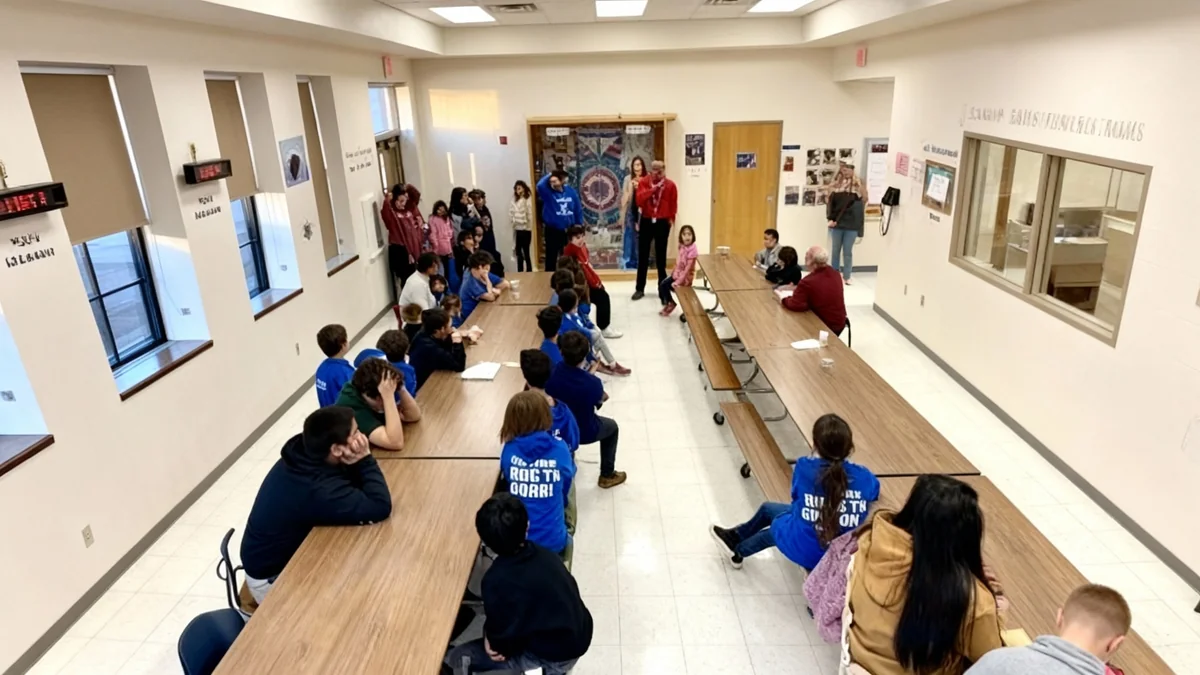


In a small, unincorporated community in southwestern South Dakota, a rural elementary school has achieved a remarkable turnaround. Norris Elementary School, which serves a predominantly Native American student body, has seen its attendance rate soar from just over 50% to more than 90% in three years, surpassing both district and state averages.
This transformation in one of the state's most impoverished counties is being driven by a dedicated principal, a renewed focus on Lakota culture, and an unwavering commitment to personal engagement with students and their families.
Key Takeaways
- Norris Elementary School increased its student attendance rate from around 50% to over 90% in three years.
- The school is located in Mellette County, South Dakota, bordering the Pine Ridge and Rosebud reservations.
- Key strategies include home visits by the principal, community involvement, and the integration of Lakota language and culture into the school day.
- The school's success comes despite challenges like geographic isolation, poverty, and statewide teacher shortages.
A Foundation of Personal Connection
The daily routine at Norris Elementary begins with a personal touch. Principal Brian Brown greets each of the school's 50 students by name as they arrive, often with a high five. This simple act sets the tone for a school day built on making every child feel seen and valued.
If a student doesn't show up for roll call, Brown's response is immediate and direct. He gets in his vehicle and drives to their home. "I probably would have went and visited at least two houses this morning to parents and say, ‘Hey, how’s it going? What do you need? How can I help you?’” he explained on a recent morning.
This hands-on approach addresses the root causes of absenteeism in a community facing significant hardships. Mellette County is one of South Dakota's most impoverished, and many students face challenges outside the classroom. According to Brown, about a third of the students are raised by their grandparents, and some families live without basic utilities like running water.
Statewide Disparity
Last school year, nearly half of all Native American students in South Dakota were chronically absent, a rate more than double the statewide average for all students. Norris Elementary's 90% attendance rate now stands in stark contrast to this trend.
Integrating Culture to Inspire Learning
When Brown took over as principal in 2022, he recognized that creating an environment where students want to come to school was crucial. A passionate advocate for preserving Lakota traditions, he began weaving cultural programming into the fabric of the school day.
Now, morning announcements are followed by students leading the school in traditional Lakota songs. Brown also teaches Lakota studies to every grade level once a week and established the school's first traditional Lakota drum group, the Black Pipe Singers.
"When children know their identity, they know who they are, where they come from, they will excel better academically and in basic life skills," Brown stated.
This cultural reinforcement is not just an extracurricular activity; it is a core part of the school's strategy to build confidence and engagement. By celebrating their heritage, students develop a stronger sense of self and a deeper connection to their education.
Overcoming Significant Hurdles
The success at Norris Elementary is even more impressive given the school's operational challenges. Its remote location makes recruiting and retaining staff difficult, a problem mirrored across the state, which had 144 open teaching positions as of last July.
The small staff at Norris must be versatile. Two teachers manage dual-grade classrooms. The head custodian and office administrator also serve as the school's bus drivers. Principal Brown himself often steps in to help serve lunch.
The Importance of Early Habits
Wendy O’Brien, who teaches a combined fourth and fifth-grade class, stresses the impact of consistent attendance. "When they miss school, they miss learning," she said. "Working with two grades, you don’t have time to reteach lessons." Brown refers to the habits formed in elementary school as the "bread and butter" of a student's academic future, setting the stage for success in high school and beyond.
Despite these resource constraints, the staff's dedication has created a supportive and stable learning environment. "We kind of have to make and manipulate our own resources just to get the kids what they need," Brown said. "It’s been challenging, but then also, it’s been eye-opening to address the needs of the kids out here at Norris.”
A Model for the State
The turnaround at Norris has not gone unnoticed. Joseph Graves, South Dakota's Secretary of Education, has praised the school's approach, highlighting the powerful combination of strong leadership and culturally relevant education.
"It’s also that leadership, those people who are willing to make that happen, engage with kids," Graves said. "You put those two together and it’s proven to be a very strong factor in the success.”
State officials are watching Norris closely to see if the positive trend in attendance continues and translates into higher academic proficiency and graduation rates down the line. For Principal Brown and his team, the mission is clear.
"We can be successful, we can show people that we care about school and that we want to be the best that we can be,” he affirmed. This success is not just about numbers on a report; it's about building a foundation for a more promising future for every child in the community.