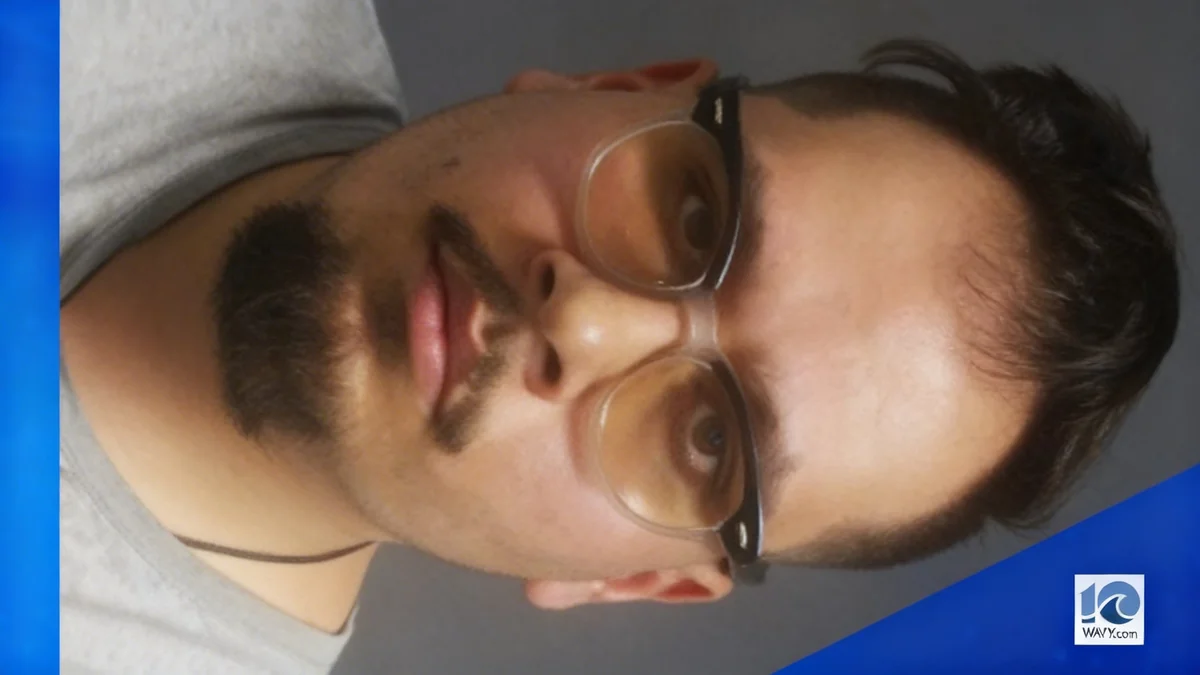

A tenured history professor at Texas State University, Dr. Tom Alter, is fighting to keep his job after being fired and then provisionally reinstated following a controversy sparked by an edited video. The video, altered by a far-right activist, misrepresented a speech he gave at a virtual conference on revolutionary socialism, leading to his initial termination on September 10.
Key Takeaways
- Dr. Tom Alter, a tenured professor at Texas State University, was fired on September 10 after a doctored video of his speech went viral.
- The video was edited by a far-right activist to make it appear as if Alter was endorsing violence, though his original speech criticized it.
- A judge ordered his temporary reinstatement on September 26, citing a lack of due process, but he is not permitted to teach.
- The case has drawn national attention, with unions, students, and academic organizations rallying in support of Alter and academic freedom.
- Alter's situation is seen by supporters as part of a broader trend of political attacks on higher education and free speech in the United States.
A Termination Sparked by an Edited Video
Dr. Tom Alter, a labor historian at Texas State University, found his career and personal life thrown into turmoil in early September. The issue began after he spoke at an online conference titled "Revolutionary Socialism" on September 6 from his home office during his personal time.
During his talk, Alter discussed the need for working-class political organization and critiqued various political tactics. According to the full recording of his speech, he explicitly spoke against spontaneous violence. However, a far-right online activist named Boris Sanko recorded the speech and edited the footage.
The edited video misleadingly combined a portion of his speech with a separate moment from a break session where he mentioned his employer. This created the false impression that he was representing the university while advocating for the overthrow of the government. The video was then circulated online.
On September 10, Texas State University President Kelly Damphousse announced Alter's immediate termination. The university initially cited inciting violence and being a danger to the community as the reasons for the dismissal.
Timeline of Events
- September 6: Dr. Alter speaks at the virtual Revolutionary Socialism conference.
- September 7: A doctored video of his speech begins circulating online.
- September 10: Texas State University President announces Alter's immediate termination.
- September 11-17: Students protest on campus for five consecutive school days.
- September 26: A district judge orders Alter's temporary reinstatement due to lack of due process.
Legal Challenge and Temporary Reinstatement
Following his termination, Alter and his supporters argued that the university had violated his rights. As a tenured professor, he was entitled to a formal review process before being fired, a procedure known as due process. His legal team argued this process was completely bypassed.
A widespread campaign for his reinstatement quickly gained momentum. It was led by his unions, the Texas State Employees Union (CWA Local 6186) and the American Association of University Professors (AAUP), which provided legal support. Students at Texas State organized spontaneous protests on campus for five straight school days.
On September 26, a district court judge ruled in Alter's favor, ordering his temporary reinstatement. The judge found that the university had failed to follow its own policies and state law regarding the dismissal of a tenured faculty member.
"They saw that I was fired with no due process," Alter said in an interview. "And so now the university is starting that process, but this process is very much controlled by the university president."
Despite the reinstatement, Alter is not back in the classroom. The university has barred him from teaching, accessing his campus office, or using his university email while it conducts a formal review. His family's health insurance and his salary have been restored, but his professional future remains uncertain.
What is Academic Tenure?
Tenure is a long-term employment contract for professors that protects them from being fired without just cause. It is designed to safeguard academic freedom, allowing educators and researchers to pursue knowledge and express ideas without fear of retaliation or censorship. While tenured professors can still be dismissed for professional misconduct or incompetence, universities must follow a strict, evidence-based review process.
A Flashpoint in the Debate Over Free Speech
Dr. Alter's case has become a focal point in a larger national debate about academic freedom, free speech, and the role of political activism in higher education. Supporters see the actions against him as an example of what they call "MAGA McCarthyism," a politically motivated effort to silence dissenting voices, particularly those on the left.
The university's justification for his firing has shifted. After initially accusing him of inciting violence, the administration later charged him with "engaging in partisan political activity." Alter and his legal team dispute this, noting that the policy typically applies to faculty members running for public office.
The Broader Context of Campus Controversies
This incident does not exist in a vacuum. It mirrors other recent cases where academics have faced professional consequences for their political speech. For instance, the case of Professor Mark Bray, an expert on anti-fascism, drew headlines when he and his family reportedly fled the country due to threats spurred by online campaigns against his work.
Organizations like Turning Point USA have maintained a "Professor Watchlist" for years, which targets academics they deem too liberal. Critics argue these lists are designed to intimidate professors and create a chilling effect on open discourse within universities.
In his interview, Alter reflected on the situation, stating, "When you then attack that and erode the foundations of these basic liberal institutions where it’s supposed to be open discussion and debate, you’re really eroding the foundations of a democratic society as a whole."
The Human Impact and the Path Forward
The professional uncertainty has had a significant personal impact on Alter and his family. He described the experience as "turning our world upside down." With children in middle and high school, the possibility of losing his job and having to relocate has created immense stress.
"I’ve got my 11-year-old son every day when I’m picking him up from school saying, ‘Hey dad, you still have your job? Do we have to move?’ And so there’s that real human aspect of it as well," Alter shared.
As the university's formal review process continues, Alter's fate remains in the hands of the same administration that initially fired him. The outcome of his case is being closely watched by academics, civil liberties advocates, and union members across the country.
Supporters have organized a petition and continue to advocate for his full reinstatement. They argue that the fight is not just about one professor, but about defending the principles of due process, academic freedom, and the right to free speech for all educators.