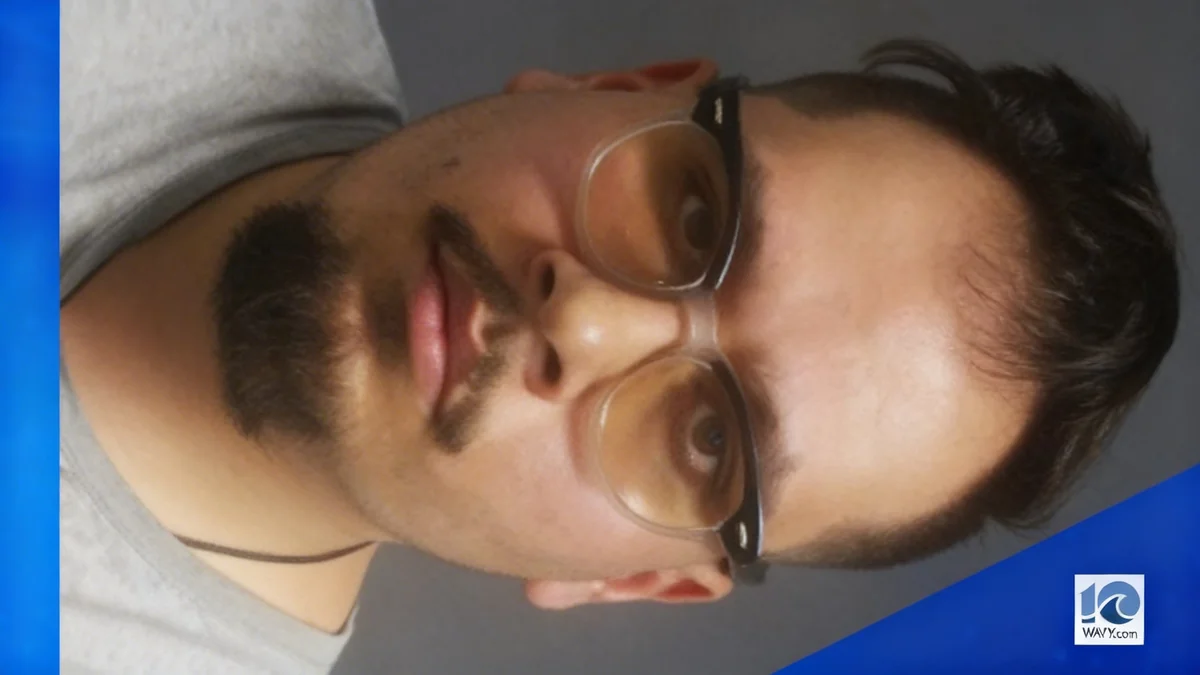
UC Berkeley has suspended a computer science lecturer for six months without pay, citing the use of his classroom for pro-Palestinian political advocacy. The decision has prompted a union grievance and plans for a mass student hunger strike in protest.
Peyrin Kao, a lecturer in the Electrical Engineering and Computer Sciences (EECS) department, received the suspension notice for the spring 2026 semester. University officials claim his actions violated a policy against using the classroom for political indoctrination.
Key Takeaways
- UC Berkeley lecturer Peyrin Kao has been suspended for six months without pay for alleged political advocacy in his classroom.
- The university cited violations of Regents Policy 2301, which prohibits using the classroom for political indoctrination.
- Kao's union, UC-AFT, has filed a grievance, alleging a lack of just cause and potential due process violations.
- A campus group co-founded by Kao, STEM4Palestine, has announced plans for a mass hunger strike to demand his reinstatement and university divestment.
University Cites Policy Violations
The suspension follows a recommendation from Executive Vice Chancellor and Provost Benjamin Hermalin. In a letter, Hermalin detailed several incidents during the spring 2024 and fall 2025 semesters that he argued constituted a misuse of the classroom.
One central event was a 38-day hunger strike Kao undertook in fall 2025 to protest the use of technology in the conflict in Gaza. While he did not elaborate on the strike's purpose during his Computer Science 61B lecture, he informed students he was on a "starvation diet" and provided a link to his personal website for more information.
Regents Policy 2301
At the core of the disciplinary action is Regents Policy 2301. This University of California system-wide policy states that instructors must not use the classroom for "political indoctrination" or for teaching material that is not relevant to the course's subject matter.
In his letter, Hermalin argued that the "visible physical toll" of the hunger strike was comparable to wearing a political T-shirt in class and could have had "adverse consequences" on his teaching ability, thereby violating the policy.
Previous Incidents and Warnings
The university also pointed to an incident in spring 2024. After his lecture on April 26 officially concluded, Kao made remarks connecting a lack of diversity in his department to a reluctance to discuss social issues, and he reiterated his support for Palestine.
"Even if students wished to leave, they could not teleport themselves out—it takes time for a large lecture hall to clear," Hermalin wrote, alleging that Kao "misused his authority over his students in the classroom" even though class time had ended.
This was not Kao's first disciplinary notice. He received a formal letter of censure in November 2023 after ending a lecture 30 minutes early and making post-lecture remarks in solidarity with Palestine.
While Hermalin recommended the six-month suspension, he also noted he would not object if department chairs pursued more severe action, including the permanent termination of Kao's employment. This contrasts with a less severe disciplinary analysis from EECS Chair Jelani Nelson and Division of Computer Sciences Chair John Wawrzynek, who agreed a violation occurred in 2023 but were less certain about the fall 2025 actions.
Lecturer's Defense and Union Response
Peyrin Kao has defended his actions, stating he did not violate university policy. In a written response, he argued that discussing the ethical implications of technology, using the situation in Gaza as an example, was intended to encourage critical thinking among his students, not to push a specific viewpoint.
He also contested the claim that his hunger strike visibly affected his teaching. Kao asserted that his lectures during that period were "indistinguishable" from any others he has given. He compared informing students of his fast to an instructor mentioning they are sick or tired.
The union representing Kao, University Council – American Federation of Teachers (UC-AFT), is fighting the suspension. They have filed a formal grievance, arguing the disciplinary action was taken "without any standard of just cause."
Ian Davis, a grievance steward for the union, stated that Kao's actions were relevant to learning and that the suspension is a "potential violation of academic freedom under UC policy."
"Suspending and firing teachers who say things people don’t agree with is not intellectual diversity and violates the rights of those teaching," Davis stated in an email.
The union is also raising concerns about the disciplinary process itself. Jessica Conte, a field representative for UC-AFT, pointed out a potential "due process violation." California state employees are entitled to a review of proposed disciplinary action by a third party. The results of Kao's review were not released until 32 days after the notice was sent, exceeding the 30-day limit.
Student Protests and Campus Reaction
The suspension has triggered a strong response from student groups and leaders on campus. STEM4Palestine, a group Kao helped establish, announced it would initiate a "mass hunger strike" this week to protest the decision.
The group's demands are twofold: the immediate reinstatement of Peyrin Kao and the divestment of University of California funds from companies involved in the conflict in Gaza.
In a public statement, the group explained their protest method: "We will be eating 350 calories a day. This starvation diet is the daily allowance for those trapped under Zionist occupation of Gaza."
The organization has planned a week of actions, including a "study-in" at Doe Library and a teach-in on Sproul Plaza. The student government leadership has also voiced its support for the suspended lecturer.
"As the leadership of the ASUC, we stand in unwavering solidarity with Peyrin Kao and urge the University... to reconsider their decision to suspend him," said ASUC President Abigail Verino in a statement.
During Kao's 38-day hunger strike, several community members, including a Berkeley City Councilmember and student government leaders, participated in one-day solidarity fasts.
A university spokesperson, Janet Gilmore, declined to comment on the situation, stating that the campus does not discuss personnel matters. Kao, for his part, has affirmed his commitment to his advocacy. "I intend to continue exercising my First Amendment right to advocate for human rights and against the apartheid and genocide in Palestine," he said in an email.