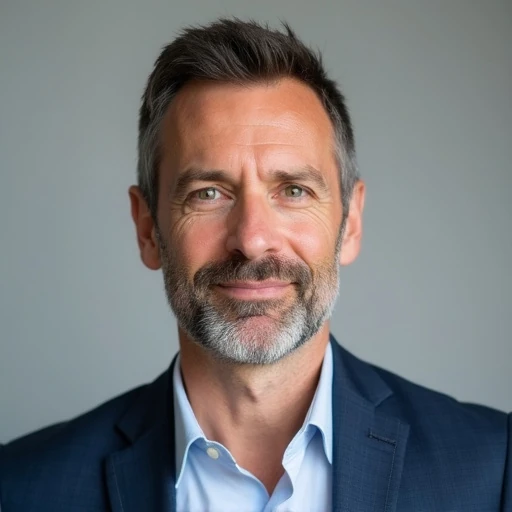
UC Berkeley is at the center of a heated debate over academic freedom following the suspension of a computer science lecturer for comments made about the war in Gaza. The university's decision has triggered protests, a faculty backlash, and a broader discussion about the limits of political speech in the classroom.
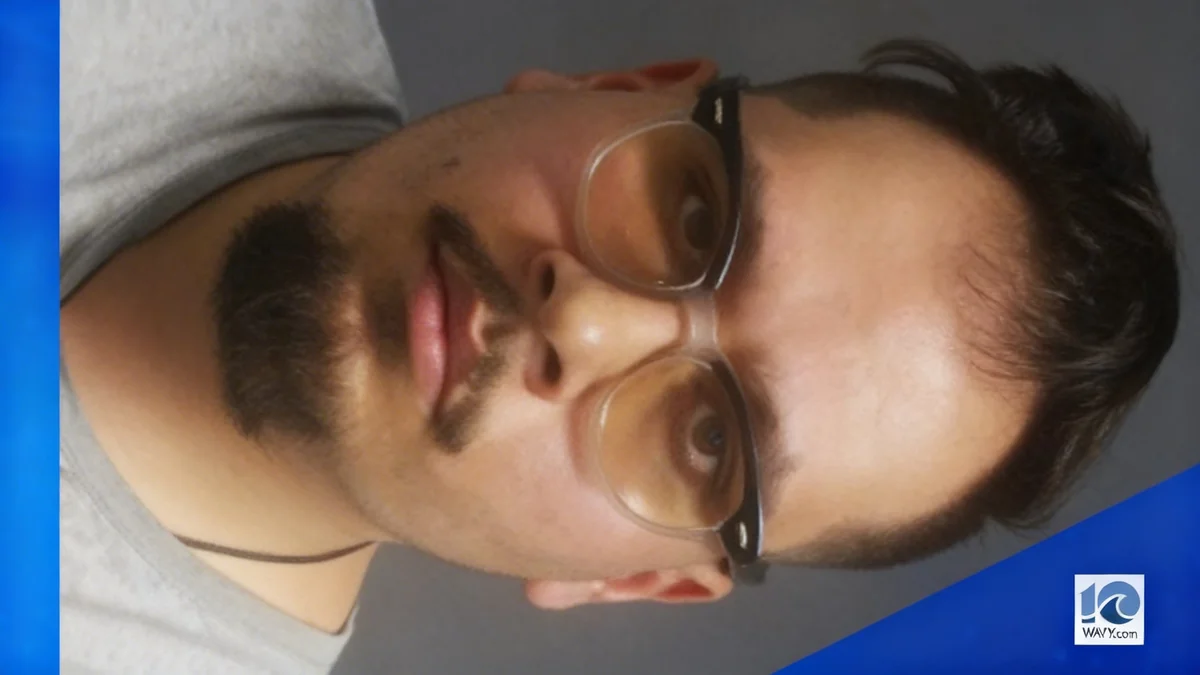
Computer science lecturer Peyrin Kao was placed on a six-month unpaid leave after discussing the tech industry's ties to the Israeli military in an optional session after his class. The disciplinary action has mobilized students and faculty, who argue the university is unfairly targeting pro-Palestinian speech and misapplying its own policies.
Key Takeaways
- UC Berkeley suspended computer science lecturer Peyrin Kao for six months without pay over pro-Palestinian remarks.
- The suspension was based on a University of California policy against the "misuse of the classroom" for political indoctrination.
- Over 1,200 students, faculty, and alumni have signed a petition demanding Kao's reinstatement.
- The incident has prompted the university's provost to seek faculty input on clarifying policies related to academic freedom and in-class speech.
The Suspension and the Reaction
The controversy began after Peyrin Kao, a lecturer in the computer science department, held an optional, informal discussion after one of his classes. During this five-minute session, he spoke about the relationship between technology companies and the Israeli military, concluding his remarks with the phrase “Free Palestine.”
Separately, Kao had engaged in a 38-day hunger strike to protest Israel's campaign in Gaza. He mentioned in class that he was on a hunger strike for a cause he believed in. The university administration cited both the post-class session and his in-class mention of the hunger strike as reasons for the suspension.
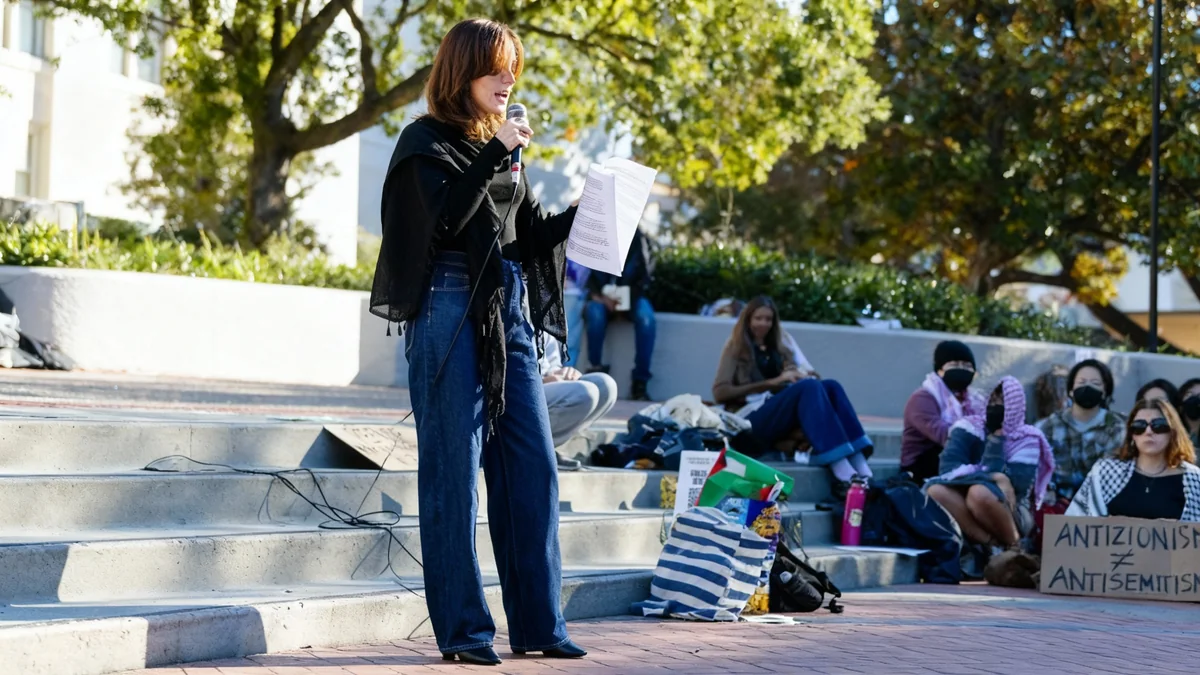
In response, the campus community has voiced strong opposition. A petition calling for Kao's reinstatement has gathered approximately 1,200 signatures from students, faculty, and alumni. Students have organized protests, including a teach-in and solidarity fasts, to draw attention to the case.
A Contested Policy on Academic Freedom
The university's justification for the suspension rests on Regents Policy 2301, a University of California rule that prohibits the “misuse of the classroom” and “political indoctrination” of students. However, critics of the decision claim this policy is being selectively enforced to silence pro-Palestinian voices.
What is Regents Policy 2301?
This University of California policy is designed to prevent instructors from using their position to indoctrinate students with political views unrelated to the course material. The policy has been criticized by some faculty as vague and potentially restrictive of academic freedom, especially when discussing controversial but relevant topics.
The Berkeley Faculty Association, a group representing about 20% of the university's tenure-track faculty, sent a letter to Chancellor Rich Lyons challenging the disciplinary action. The association argued that other university policies protect an instructor's right to present controversial material, provided it does not constitute a “significant intrusion of material unrelated to the course.”
Celeste Langan, an English professor on the association's board, noted that Kao had made a deliberate effort to follow the rules. He held his discussion after class had officially ended and explicitly told students they were free to leave. “He tried very hard to obey the rules, and then he was accused of violating their spirit,” Langan stated.
Administration Responds to Concerns
The university administration, led by Provost Benjamin Hermalin, defended its interpretation. In his review, Hermalin argued that even though the comments were made after class, students might have been caught off guard or found it difficult to leave. He also contended that Kao's hunger strike constituted in-class advocacy because students could observe its physical effects on him.
Amid the growing controversy, Provost Hermalin has signaled a willingness to address the faculty's concerns. In a recent letter to the Academic Senate, he acknowledged the need for clearer guidance on academic freedom policies.
“I want to thank you for sharing your understandable concerns about our commitment to academic freedom,” Hermalin wrote, proposing a collaboration with faculty to ensure that rules are applied in a “principled and consistent manner.”
Hermalin's letter raised several key questions for discussion, including who determines if an instructor's statements are relevant to a course and how to handle non-verbal forms of expression, such as a Zoom background. He also alluded to external pressures, stating, “We are all aware of calls, including from elected officials, for us to discipline or dismiss faculty for their writings and social media posts. We have never done so, nor will we.”
According to a report by UC Berkeley law students, only one other instructor has reportedly been disciplined under Regents Policy 2301. The Berkeley Faculty Association leaders said they were unaware of any other cases, highlighting the unusual nature of Kao's suspension.
Students Rally in Support of Lecturer
Student support for Kao has been a visible part of the campus response. On Friday, a group of about a dozen students from STEM 4 Palestine gathered outside California Hall, which houses the chancellor's office, to deliver their petition.
The petition, signed by notable figures such as former NFL player Marshawn Lynch and philosopher Judith Butler, reads in part:
“UC Berkeley’s administration has exhibited a dangerous willingness to interpret regents policy at whim to punish faculty for their activity, speech, and intentions as observed outside of the classroom.”
When a member of the group attempted to enter the building to deliver the petition, they were turned away. A voice from inside the building responded, “No, you cannot. Have a nice day.”
Stephen Okita, a third-year student who participated in a solidarity fast, described Kao as a beloved instructor with a 4.9 rating on RateMyProfessors.com. “It’s just complete injustice from the university,” Okita said. He also argued that discussing the ethics of technology is relevant for computer science students. “It’s really sad seeing CS students just go into exams and come out and work for Palantir or Google and just participate in the destruction of the world.”
Kao, who attended the rally, stated that the protest was about a larger principle. “What we’re here for is to show that the university has a double standard where they claim to be pro-free speech but at the same time uphold the Palestine exception to free speech,” he said.