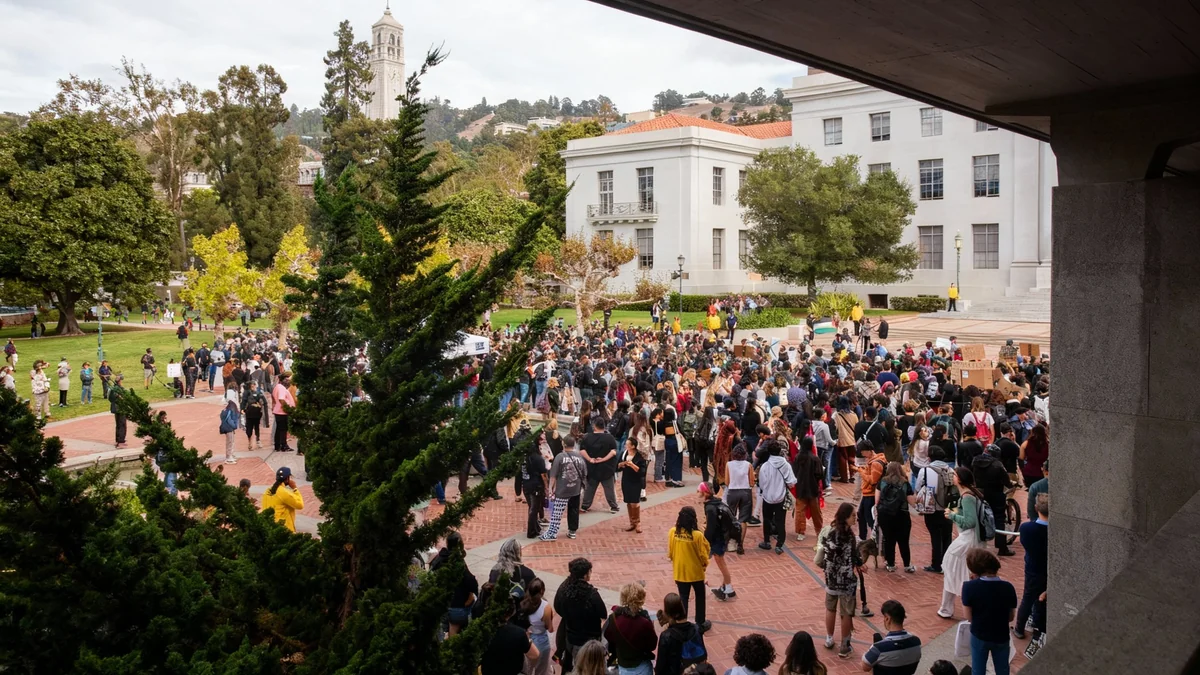

The University of California, Berkeley has formally apologized and agreed to a $60,000 settlement with an Israeli sociologist who alleged she was not rehired due to her national origin amid campus tensions over the Gaza conflict. The agreement, which also includes an offer to teach again, resolves a lawsuit filed by visiting professor Yael Nativ.
Chancellor Rich Lyons issued a public apology on Wednesday, acknowledging the findings of a campus investigation that concluded Nativ was a victim of discrimination. This case highlights the ongoing challenges universities face in navigating free speech, academic freedom, and discrimination claims related to the Israeli-Palestinian conflict.
Key Takeaways
- UC Berkeley will pay $60,000 to Israeli sociologist Yael Nativ to settle a discrimination lawsuit.
- Chancellor Rich Lyons issued a formal apology, admitting the university's investigation found discrimination occurred.
- Nativ has been invited to teach her popular course again at the university in a future semester.
- The incident stemmed from a decision not to rehire Nativ in 2023, with a department chair citing campus tensions over the Gaza conflict.
Details of the Settlement
The resolution follows a state lawsuit filed by Yael Nativ earlier this year. After a campus investigation substantiated her discrimination claims, Nativ sought further action from the university, including her reinstatement and measures to prevent future incidents. The settlement addresses these demands directly.
In a statement, Chancellor Lyons expressed his respect for Nativ's decision to resolve the matter. "She is owed the apology I will provide on behalf of our campus," Lyons stated. "We look forward to welcoming Dr. Nativ back to Berkeley to teach again."
The agreement stipulates a payment of $60,000 and offers Nativ the opportunity to teach her course, "Female Empowerment in the Middle East and North Africa," during a semester of her choosing. This invitation is significant, as the course was reportedly popular among students before her contract was not renewed.
Background of the Complaint
The issue arose in 2023 when Nativ was informed she would not be rehired. According to reports related to her lawsuit, the chair of her department, SanSan Kwan, sent a message explaining the decision. The message cited the heated campus climate following the October 2023 Hamas attack and subsequent Israeli military operations in Gaza.
The Controversial Message
At the core of Nativ's complaint was a WhatsApp message she received from her department chair. The message, which became central to the case, appeared to link the decision directly to the political environment on campus.
"Things are very hot here right now and many of our grad students are angry," the message reportedly read. "I would be putting the dept and you in a terrible position if you taught here."
This communication formed a key piece of evidence in Nativ's claim that her Israeli identity, rather than her performance as an educator, was the reason for not renewing her contract. The university's internal investigation ultimately supported her claim of discrimination based on national origin.
Campus Climate: Universities across the United States have become focal points for protests and intense debates regarding the Israeli-Palestinian conflict, leading to a rise in reported incidents of both antisemitism and Islamophobia.
A Call for Academic Integrity
In her own statement following the settlement, Dr. Nativ emphasized the importance of maintaining universities as places for open intellectual exchange, free from prejudice.
"Incidents of discrimination of any kind must have no place within environments dedicated to learning and the free exchange of ideas," Nativ said. She expressed hope that the outcome of her case would serve to reinforce these principles for all members of the academic community.
"It is my hope that this outcome contributes to strengthening these commitments for all scholars and students," she added, highlighting the broader implications of her case for academic freedom.
Broader Context of Campus Tensions
The situation at UC Berkeley is not an isolated event. It reflects a nationwide pattern of conflict on college campuses since the fall of 2023. Institutions of higher learning are grappling with how to balance the protection of free speech with the duty to prevent harassment and discrimination against Jewish, Muslim, Israeli, and Palestinian students and faculty.
This settlement comes shortly after another disciplinary action at Berkeley. Just last week, the university suspended a computer science lecturer, Peyrin Kao, for six months without pay. The suspension was reportedly for alleged pro-Palestinian political advocacy inside the classroom, which the university deemed inappropriate.
These two cases, involving actions against faculty on opposite sides of the issue, underscore the difficult line administrators must walk. They are under immense pressure from students, faculty, alumni, and donors to respond to campus activism and classroom conduct related to the conflict.
Navigating a Difficult Path
University leaders are tasked with upholding principles that can sometimes appear to be in conflict:
- Protecting Free Speech: Allowing students and faculty to express diverse and often controversial political viewpoints.
- Ensuring a Safe Environment: Preventing speech that constitutes harassment or discrimination against protected groups.
- Maintaining Academic Neutrality: Ensuring that classrooms remain forums for education rather than political indoctrination.
The resolution of Nativ's case through a formal apology and settlement suggests an acknowledgment by UC Berkeley that, in her situation, the line was crossed from managing campus climate to engaging in discriminatory practice. The university's actions will likely be scrutinized as a precedent for how similar cases are handled in the future.