
Sheffield Hallam University has apologized to a leading academic and reinstated her research into human rights abuses in China after internal documents revealed a multi-year campaign of intimidation allegedly orchestrated by Chinese state actors. The university temporarily shut down the sensitive research after its staff in China were threatened and its websites were blocked, impacting student recruitment.
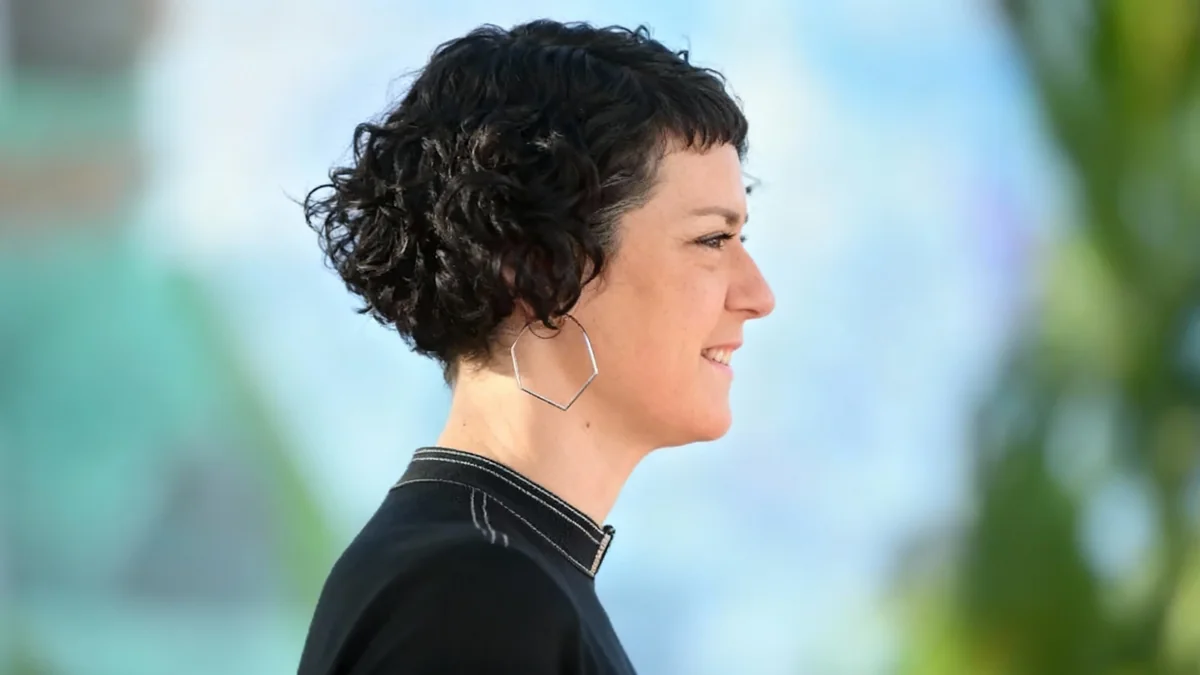
Professor Laura Murphy, an expert on human rights and contemporary slavery, initiated legal action against the university, accusing it of trading her academic freedom for access to the Chinese student market. The university has since reversed its decision, stating its commitment to academic freedom.
Key Takeaways
- Sheffield Hallam University staff in China were allegedly threatened by individuals identified as National Security Service agents, demanding a halt to research on Uyghur forced labor.
- The university's websites were blocked in China, disrupting student recruitment and communications.
- Internal documents show the university decided to halt the research, citing risks to staff and an inability to secure professional indemnity insurance.
- Following legal action from Professor Laura Murphy, the university apologized and reinstated her research program.
- The UK government reportedly raised the issue with Chinese officials, warning against attempts to suppress academic freedom.
A Celebrated Start Turns Contentious
The situation began very differently. In 2021, Professor Laura Murphy and her team at Sheffield Hallam's Helena Kennedy Centre (HKC) published a significant report on Uyghur forced labor within the solar panel industry. The work was initially met with praise from within the university.
Over the next several months, her unit produced a series of reports investigating supply chains for various industries, including car parts and cotton, tracing potential links to forced labor in China's Xinjiang region. These publications elevated Professor Murphy's international profile, with her work being cited in parliaments in the UK, Canada, and Australia.
Background on the Research
Professor Murphy's work focuses on allegations that Uyghur Muslims in Xinjiang are subjected to forced labor. China has consistently and firmly denied these accusations, often criticizing researchers and institutions that publish such findings. The research aims to identify products reaching Western markets that may have been produced using these alleged labor practices.
A Campaign of Pressure Begins
By 2022, the university began to feel the consequences of the research. An internal email from August of that year noted that China's foreign ministry had denounced the university as being in the "disreputable vanguard of anti-China rhetoric."
Concerns grew internally about the impact on student recruitment. That same month, the university's English language testing website, crucial for prospective Chinese students, was temporarily shut down in China. This was followed by a complete block of the university's websites and email communications from China.
The disruption directly affected students who were unable to access enrollment portals, arrange travel, or receive course information. According to an internal risk summary, this had a "negative impact on recruitment" for the 2023/24 academic year, with further declines anticipated.
According to university documents, Sheffield Hallam earned £3.8 million from students from China and Hong Kong in the 2021/22 academic year.
Direct Intimidation of Staff
The pressure escalated significantly in 2024. An internal email from April 2024 stated, "Things in Beijing have kicked off."
A university risk summary detailed a visit to Sheffield Hallam's China office by three individuals described as "officers of the National Security Service." A local staff member was reportedly questioned for two hours about the research.
"The tone was threatening and message to cease the research activity was made clear," the internal document stated.
During another visit, the security officers allegedly linked the ongoing internet blocks directly to the availability of the Uyghur research on the university's website.
The Decision to Halt Research
Faced with mounting pressure and a separate defamation lawsuit from a Hong Kong-based garment supplier named in one of its reports, the university made a critical decision. In September 2024, the university communicated to the National Security Service that it would not publish a final phase of the research.
According to the risk summary, "immediately relations improved and the threat to staff wellbeing appears to be removed."
Complicating matters, the university's insurers informed them that claims related to "defamation, libel or slander" would no longer be covered for its entire Social and Economic Research Institute. This left the institution in a difficult position regarding legal and financial risks.
When Professor Murphy returned from a career break in early 2025, she was informed that the university had decided "not to continue with her research into supply chains and forced labour in China." The reasons given were the insurance situation and a duty of care to colleagues.
Legal Challenge and a Reversal
Professor Murphy responded by initiating legal action, arguing the university failed to protect her academic freedom as required by the Higher Education (Freedom of Speech) Act 2023. She also submitted a subject access request, which yielded the internal documents detailing the negotiations and decisions.
"What about the duty of care to me and the duty of care to the rest of my research team?" Professor Murphy said. "They laid off my entire research team... and they shuttered the entire programme without regard for the people who worked with us on that project, so many of them Uyghur folks."
She argued that financial pressures are making UK universities vulnerable. "As long as the university system in the UK is so wildly underfunded as it is now, universities will be vulnerable to attacks like this," she added.
In response to the legal challenge, Sheffield Hallam University has now issued an apology to Professor Murphy and confirmed she can resume her work. A spokesperson clarified the university's position.
"The university's decision to not continue with Professor Laura Murphy's research was taken based on our understanding of a complex set of circumstances at the time, including being unable to secure the necessary professional indemnity insurance," the spokesperson said. They also stated, "For the avoidance of doubt, the decision was not based on commercial interests in China." The university noted that it only enrolled 73 students from China in 2024/25.
Wider Implications for Academic Freedom
The case has raised alarms about the vulnerability of UK academic institutions to foreign influence. Jo Grady, general secretary of the University and College Union, called it "incredibly worrying that Sheffield Hallam appears to have attempted to silence its own professor on behalf of a foreign government." Baroness Helena Kennedy KC, a Labour peer whose name is on the research center, also warned that UK universities are "vulnerable" due to financial reliance on international students.
A UK government spokesperson confirmed they were aware of the case and stated that "any attempt by a foreign state to intimidate, harass or harm individuals in the UK will not be tolerated." The issue was reportedly raised with senior Chinese ministers. Professor Murphy is not currently pursuing her legal action following the university's apology and commitment to support her research.