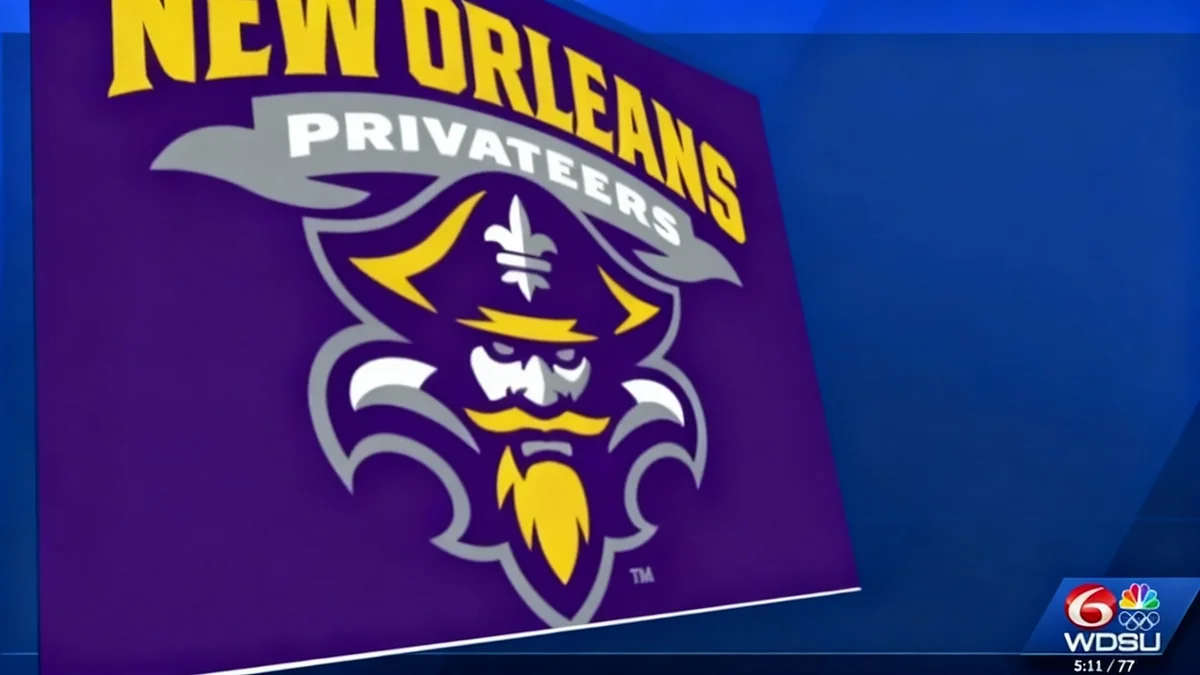

The University of New Orleans will undergo a significant transformation, officially joining the Louisiana State University System and rebranding as LSU New Orleans. The move, aimed at reversing years of declining enrollment, will also see the university adopt LSU’s iconic purple and gold colors, retiring its traditional silver and blue.
This strategic realignment is scheduled to be formally completed by July 1, 2026. University leaders hope that integrating with the larger, more prominent LSU System will attract more students and provide greater resources for the lakefront campus, which has faced significant challenges since Hurricane Katrina.
Key Takeaways
- The University of New Orleans (UNO) will join the Louisiana State University (LSU) System.
- The institution will be renamed LSU New Orleans.
- University colors will change from silver and blue to purple and gold.
- The primary goal is to boost student enrollment, which has fallen sharply since 2005.
- The formal transition is set to be completed by July 1, 2026.
A Strategic Response to Enrollment Declines
The decision to merge with the LSU System comes after a prolonged period of difficulty for the University of New Orleans. The institution has struggled to maintain its student population, a challenge that became particularly acute following the devastation of Hurricane Katrina in 2005.
Before the storm, UNO was a bustling campus with a student body of nearly 17,000. In the years since, those numbers have seen a dramatic decline. Today, the university serves approximately 5,000 students, representing a drop of over 70% from its peak.
Enrollment Snapshot
- Pre-Katrina Peak: Approximately 17,000 students
- Current Enrollment: Approximately 5,000 students
- Percentage Decline: Over 70%
This sustained decrease in enrollment created significant operational and financial pressures. By aligning with the LSU System, UNO leadership anticipates a revitalization, hoping the strength of the LSU brand will make the New Orleans campus a more attractive option for prospective students both in-state and nationally.
A New Identity: From Privateers to Tigers
The transition involves more than just a change in governance; it represents a complete rebranding of the university. Along with the new name, LSU New Orleans, the campus will adopt a new visual identity. Mockups revealed alongside the announcement showcased new logos and branding reflecting the change.
Perhaps the most visible shift for students, alumni, and the community will be the change in school colors. The long-standing silver and blue of the UNO Privateers will be replaced by the purple and gold synonymous with LSU.
This change signals a deep integration into the LSU family, moving beyond a simple administrative merger to a full cultural alignment. The goal is to create a cohesive identity that leverages the recognition and prestige of the LSU brand while maintaining the unique location and offerings of the New Orleans campus.
A Path Toward Stability
The move was preceded by crucial financial support from the state. During the 2024 legislative session, the Louisiana State Legislature invested $20 million in the University of Louisiana System, of which UNO was a part. This funding was instrumental in temporarily stabilizing the university's operations and providing the foundation needed to plan for a long-term solution like the LSU merger.
The Transition Plan and Key Figures
The formal transfer of responsibility from the University of Louisiana System to the LSU System is slated for July 1, 2026. To ensure a smooth process, a dedicated transition team has been established.
This team is composed of a diverse group of stakeholders, including:
- University of New Orleans alumni
- Local industry leaders
- Representatives from UNO administration
- Officials from the statewide LSU System
The team held its first planning session on November 5 to begin outlining the complex steps involved in the merger, which will cover academics, administration, finances, and student life.
"Athletics will remain a hallmark of the campus identity through this transition," officials noted, emphasizing the importance of preserving the university's sporting legacy.
To underscore this commitment, the transition team includes respected figures from the university's athletic history. Former UNO head basketball coach Tim Floyd and former athletic director Ron Maestri are both part of the committee, tasked with helping guide the future of the athletic programs under the new LSU New Orleans banner. Their inclusion is a clear signal that while the brand is changing, the spirit of the Privateers will be carried forward.
Looking Ahead: The Future of LSU New Orleans
The integration of UNO into the LSU System is one of the most significant developments in Louisiana higher education in recent memory. Leaders believe that by sharing resources, administrative functions, and brand power, the New Orleans campus can achieve newfound stability and growth.
For students, the change could mean access to a broader network of academic programs, research opportunities, and alumni connections associated with the larger LSU system. For the city of New Orleans, a revitalized lakefront university could serve as a more powerful engine for economic development and workforce training.
While the transition will involve many changes over the next two years, the ultimate objective is clear: to secure a vibrant and sustainable future for the historic campus, ensuring it remains a vital educational institution for generations to come.