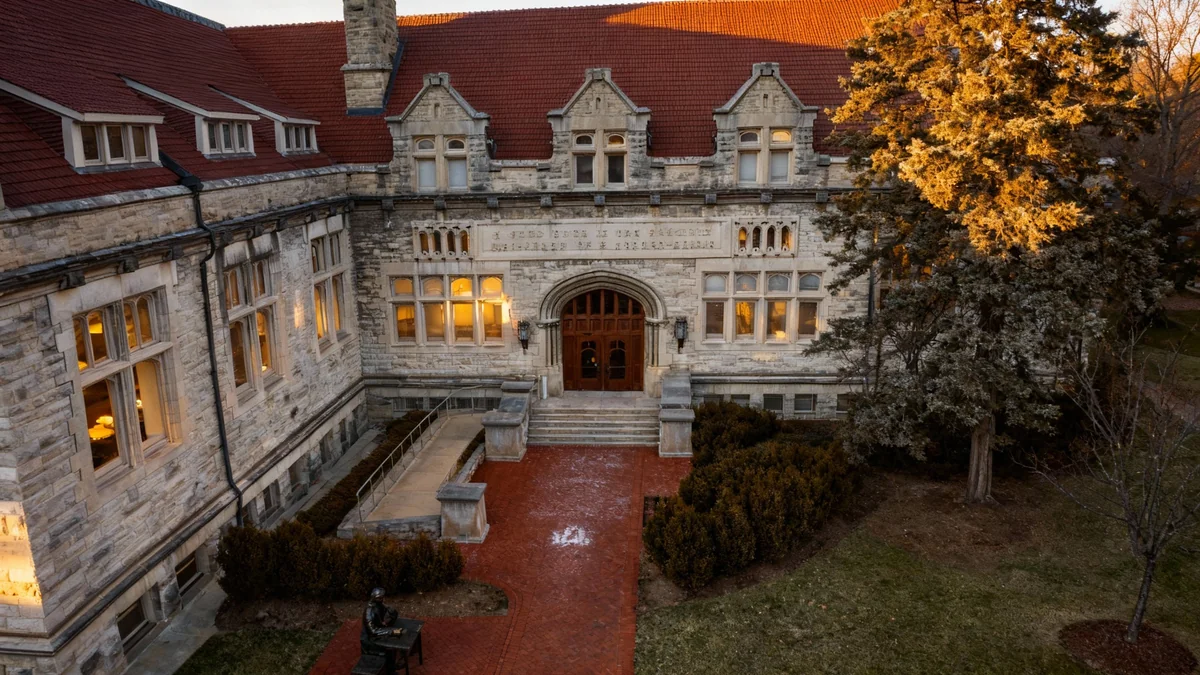
Journalist Bari Weiss will no longer appear in person at UCLA's Schoenberg Hall for the annual Daniel Pearl Memorial Lecture, the university's Burkle Center for International Relations announced. The decision follows significant backlash and a petition that gathered nearly 11,000 signatures demanding the event's cancellation.
The lecture, originally scheduled for February 27, has been a prominent event at UCLA, previously featuring high-profile speakers like Anderson Cooper and Bob Woodward. The controversy centers on accusations against Weiss regarding her journalistic practices and alleged political alignments.
Key Takeaways
- Bari Weiss's in-person Daniel Pearl Memorial Lecture at UCLA has been canceled.
- The cancellation follows a petition with nearly 11,000 signatures opposing her appearance.
- Controversy stems from accusations of political bias and her actions as an editor at CBS.
- An associate director at the sponsoring Burkle Center has threatened to resign if the event proceeds in any form.
- The university has not yet decided if a virtual lecture will take place instead.
The Daniel Pearl Memorial Lecture and Its Speaker
The annual Daniel Pearl Memorial Lecture is a significant event organized by the UCLA Burkle Center for International Relations. It honors the memory of the Wall Street Journal reporter who was killed in 2002. Over the years, the lecture has become a platform for distinguished figures in journalism and international affairs.
Past speakers have included CNN's Jake Tapper, former Secretary of State Condoleezza Rice, and celebrated investigative journalist Bob Woodward, making the invitation a notable honor within the field.
Who is Bari Weiss?
Bari Weiss is a journalist who gained prominence during her tenure as an op-ed staff editor and writer for The New York Times. She resigned in July 2020, publicly stating that she faced a hostile work environment due to her non-liberal viewpoints. Following her departure, she founded The Free Press, an online publication positioned as an alternative to what she describes as ideological mainstream media.
Weiss was slated to speak on the future of journalism, a topic that has become central to her professional identity. However, her recent career moves and editorial decisions have drawn intense scrutiny and criticism, which ultimately fueled the opposition to her UCLA appearance.
Petition and Public Backlash
The primary catalyst for the event's cancellation was a public petition that quickly gained momentum. The petition, which secured nearly 11,000 signatures, called on the Burkle Center to rescind its invitation to Weiss.
The document cited several key concerns. Chief among them were allegations of Weiss's alignment with the Trump administration and accusations of making xenophobic comments. The petition specifically highlighted a controversial editorial decision she made after becoming an editor at CBS.
The "60 Minutes" Controversy
Critics pointed to Weiss's decision to initially pull a "60 Minutes" segment. The report detailed poor living conditions in an El Salvador prison where the Trump administration had sent hundreds of Venezuelan migrants. While the segment was cleared by CBS News' legal and standards teams, Weiss reportedly refused to air it without an on-the-record comment from a Trump administration official. The story eventually ran but without the on-camera interview she had initially demanded.
Opponents argued that this action, among others, demonstrated a journalistic approach that was inappropriate for a lecture series dedicated to free and unbiased reporting. They contended that her presence would undermine the values represented by the Daniel Pearl Memorial Lecture.
Internal Dissent at the Burkle Center
The controversy was not limited to public opinion. Significant pressure also came from within the Burkle Center itself. Kal Raustiala, the director of the Burkle Center, acknowledged the concerns but the most forceful opposition came from one of his colleagues.
Megan Peters, the associate director of the Burkle Center and vice chair for graduate studies in the Department of Political Science, has taken a firm stand against Weiss's involvement. She announced her intention to resign from her position at the center if the event proceeds in any capacity, including a virtual format.
"To invite somebody who is working against that mission in highly powerful places just seems like anathema in the university mission," Peters stated, expressing her belief that Weiss uses the concept of free speech to attack those with differing, often left-leaning, opinions.
Peters argued that providing Weiss with such a prestigious platform would legitimize actions that she believes are contrary to the university's core mission of open and fair intellectual exchange. This internal division highlights the deep-seated nature of the disagreement over Weiss's role in modern journalism.
An Uncertain Future for the Lecture
While the in-person event at Schoenberg Hall on February 27 is officially off the table, the final status of the lecture remains unresolved. According to a statement from the Burkle Center, a final decision has not been made on whether Weiss will conduct the lecture virtually.
This ambiguity leaves the situation in a state of flux. The center must now navigate the intense public pressure, the firm opposition from its own leadership, and its commitment to hosting the annual event.
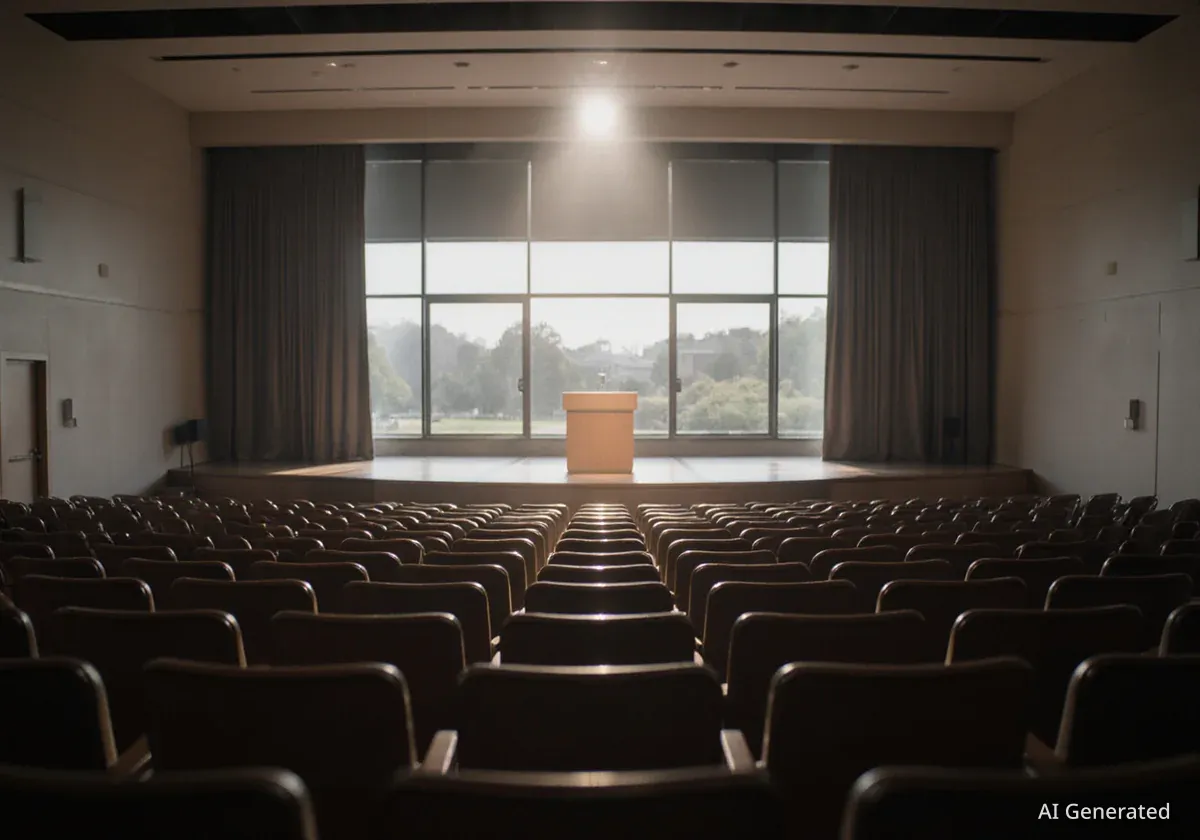
The outcome will likely be seen as a significant statement on the ongoing and often contentious debate surrounding free speech, journalistic ethics, and ideological diversity on university campuses. For now, the stage at Schoenberg Hall will remain empty, a silent testament to a lecture that became as controversial as the topics it was meant to explore.