



A growing number of universities across the country are integrating artificial intelligence into their admissions process, using the technology to interview candidates, score essays, and detect fraudulent applications. Institutions like the California Institute of Technology and Virginia Tech are pioneering these tools, aiming to increase efficiency and consistency in evaluating a record number of applicants.
While proponents argue that AI can reduce human error and speed up decisions, the shift is raising significant questions about fairness, transparency, and the potential for algorithmic bias in one of the most critical moments of a young person's life.
Key Takeaways
- Universities are using AI for video interviews, essay evaluation, and transcript processing.
- Proponents cite increased efficiency, consistency, and the ability to handle a rising volume of applications.
- Ethical concerns include potential for bias, lack of transparency, and the loss of human nuance in evaluations.
- Some major university systems, including the University of California, are maintaining a fully human-led review process for now.
- Community colleges are also deploying AI to combat a surge in fraudulent applications for financial aid.
A New Frontier in Applicant Screening
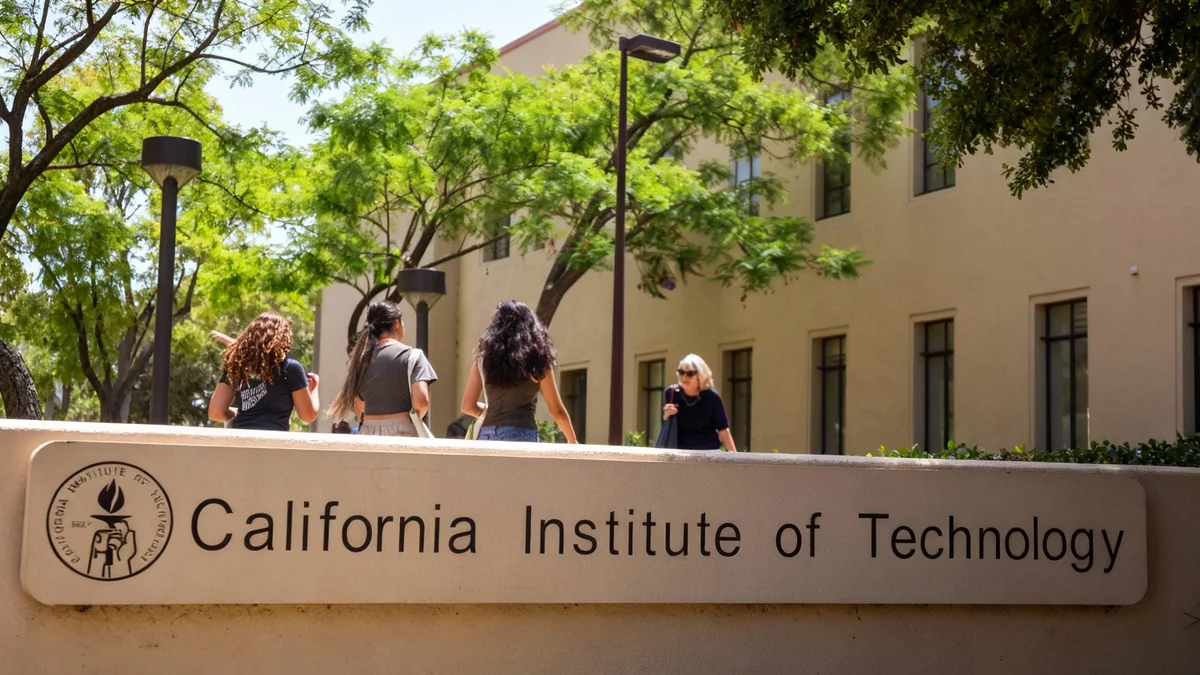
The college application landscape is undergoing a quiet but significant technological transformation. At the California Institute of Technology (Caltech), some prospective students who submitted research projects as part of their early applications encountered a novel step: an interview conducted by an AI-powered voice.
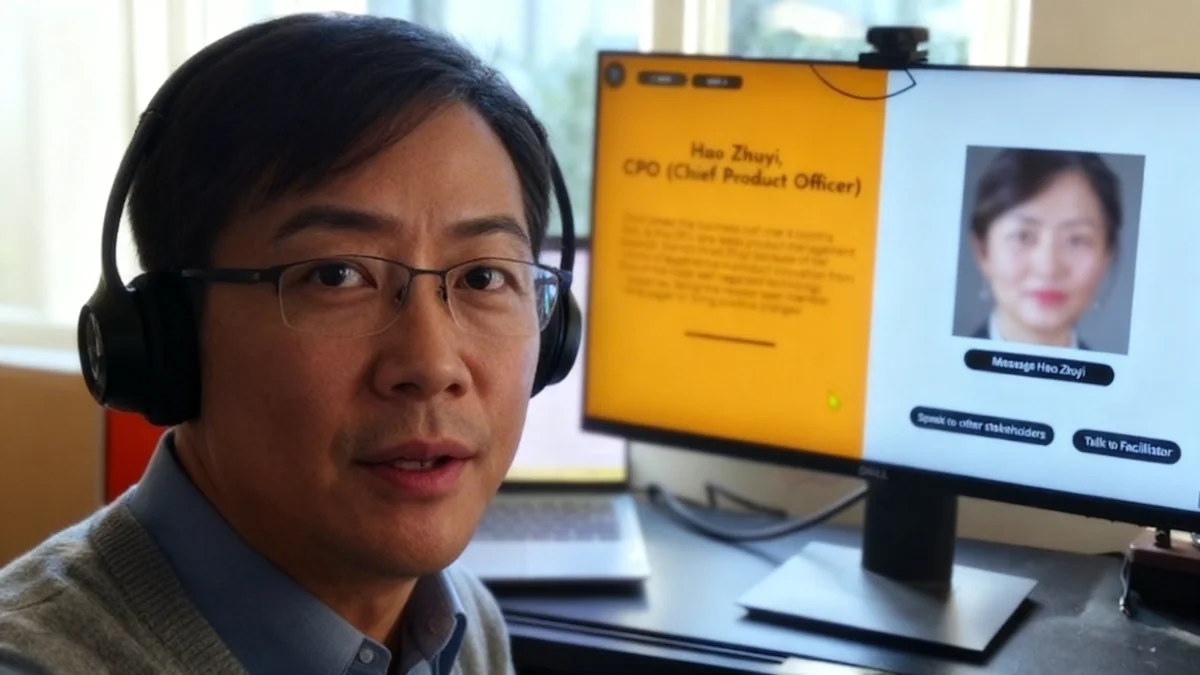
This system, developed by a company called InitialView, questioned students about their research, creating a video exchange similar to a dissertation defense. These recordings were then reviewed by human admissions officers. Ashley M. Pallie, Caltech's dean of undergraduate admissions, explained the goal is to add depth to the application.
"We wanted to bring the student voice back into applications. It might seem strange to use AI to get more of a human voice, but I think of it as a way to bring more authenticity into the fold."
Caltech used the AI-assisted interviews to screen approximately 10% of its recent early applicants and plans to expand its use in 2026. The university stresses that the technology is a tool to supplement human judgment, not replace it. "Can you claim this research intellectually? Is there a level of joy around your project? That passion is important to us," Pallie added, highlighting what the interviews aim to uncover.
The Drive for Efficiency and Consistency
For many institutions, the turn to AI is a direct response to overwhelming application numbers. Since many colleges made standardized tests like the SAT optional, application volumes have surged. Virginia Tech, for example, received a record 57,622 applications last year for just 7,000 freshman spots.
To manage the workload, Virginia Tech introduced an AI-powered essay reader this fall. Previously, two human readers scored each of the four short-answer essays submitted by applicants. Now, one of those readers is an AI model trained on past essays and the school's scoring rubric.
By the Numbers: AI's Impact at Virginia Tech
- The AI tool can scan roughly 250,000 essays in under an hour.
- A human reader averages two minutes per essay.
- The university estimates this saves at least 8,000 hours of human labor.
- This efficiency is expected to allow the university to notify students of admissions decisions a month earlier than usual.
Juan Espinoza, vice provost for enrollment management at Virginia Tech, defended the system's consistency. "Humans get tired; some days are better than others. The AI does not get tired. It doesn’t get grumpy. It doesn’t have a bad day. The AI is consistent," he stated. If the AI and human reader's scores differ significantly, a second human reviewer steps in.
Beyond Essays: Transcripts and Financial Aid
The use of AI extends beyond interviews and personal statements. Georgia Tech is implementing an AI tool to review and process college transcripts from transfer students, a task that previously required manual data entry for every course. Richard Clark, the school's executive director of strategic student access, is enthusiastic about the change.
"It’s one more layer of delay and stress and inevitable errors. AI is going to kill that, which I’m so excited about," Clark said. Georgia Tech also hopes to expand this service to all high school transcripts and is exploring other uses, such as identifying low-income students who may be eligible for federal Pell Grants but haven't applied for them.
Combating Fraud in Community Colleges
Artificial intelligence is also being deployed to solve a different problem at community colleges: application fraud. In California, community colleges have been inundated with fake applications designed to steal federal and state financial aid.
The Scale of the Fraud Problem
Last year, California's community college system identified 1.2 million fake applicants. This fraudulent activity resulted in the theft of approximately $8.4 million in federal aid and over $2.7 million in state aid.
At Golden West College in Huntington Beach, staff once spent 20 to 30 hours a week manually searching for suspicious patterns, such as applicants enrolling in unusual combinations of courses. Now, an AI system flags these patterns automatically. "The AI uses algorithms...to look for the patterns, the trends, in the data that could point to fraud," explained Claudia Lee, the college's vice president of student services.
The system also analyzes metadata like IP addresses to see if multiple applications originate from the same computer or from a location far from the campus, providing another layer of defense.
A Cautious Approach From Major Universities
Despite the growing trend, some of the nation's most selective and popular universities are holding back. The University of California system, which includes the most applied-to campus in the nation, UCLA, continues to rely exclusively on human readers.
UCLA received over 145,000 first-year applications and employs a team of more than 300 trained readers to review them. Each application is read by two different people. Gary Clark, UCLA's associate vice chancellor of enrollment management, believes the human touch is essential for a holistic review.
"The human process on our side, I think, needs to mirror the human process on the other side. Especially those qualitative things, I think, really require human evaluation."
This sentiment is shared by officials at USC and UC Merced. They express concerns about the inherent biases that can be baked into AI models and the inability of a machine to understand the unique context of an applicant's life and experiences. "There’s still bias in some of the things that the large language models are using to do the reviews," said Dustin Noji, UC Merced's director of admissions.
The debate over AI in admissions is just beginning. As some schools embrace the technology for its efficiency, others are proceeding with caution, highlighting a fundamental tension between technological advancement and the deeply human process of evaluating a student's potential.