Colleges Shift View on AI From Banned Tool to Study Partner
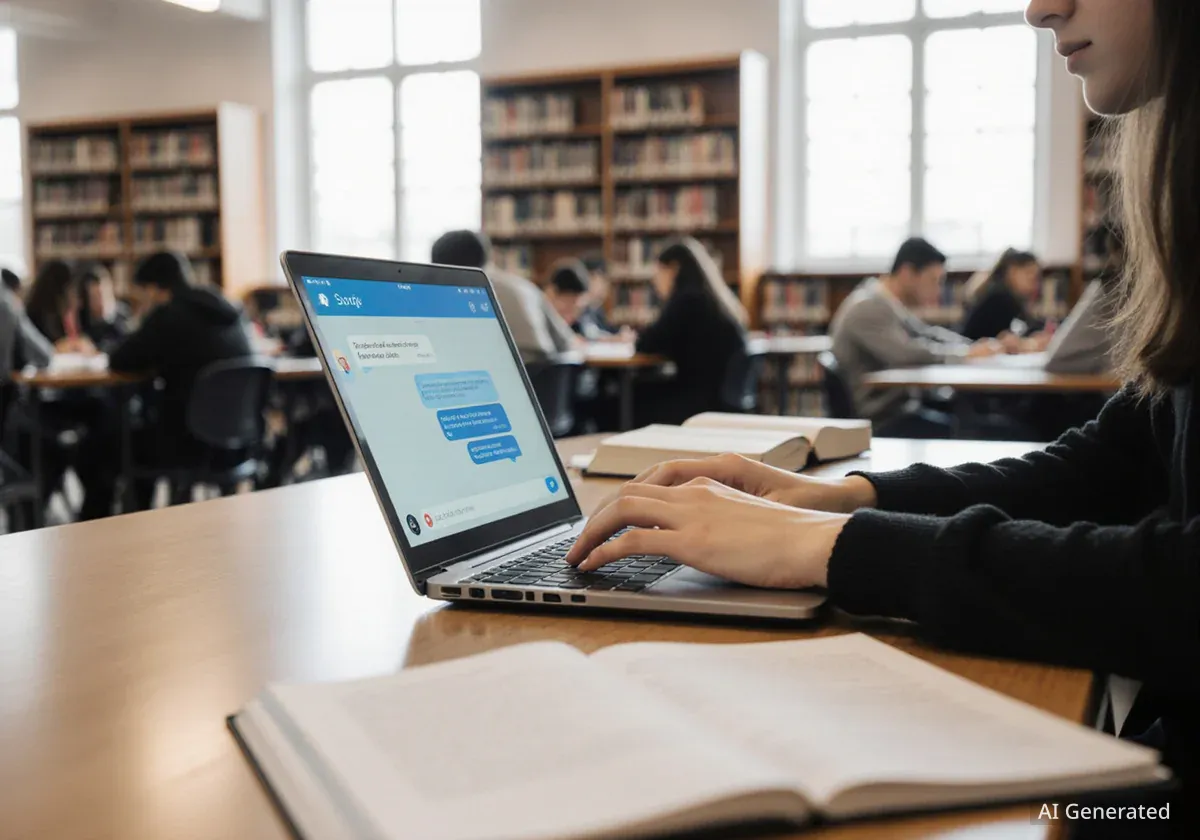
Universities are shifting from banning AI to requiring its use in some courses, teaching students to use it as a critical thinking tool and study partner.

Omar Hassan is a science and innovation journalist, dedicated to exploring the frontiers of scientific discovery and its practical applications. He focuses on the transformative potential of AI while also scrutinizing its challenges, especially in the context of academic integrity.
20 published articles
Universities are shifting from banning AI to requiring its use in some courses, teaching students to use it as a critical thinking tool and study partner.
Using advanced 3D modeling, scientists have more than tripled the number of eukaryotic-like proteins found in Asgard archaea, our closest microbial relatives.
Business schools are struggling to create clear guidelines for AI, balancing the high demand for AI skills against risks like cheating and diminished critical thinking.
Major academic journal Heliyon has retracted hundreds of scientific papers after an internal audit uncovered widespread ethical issues, including fake peer review and citation manipulation.
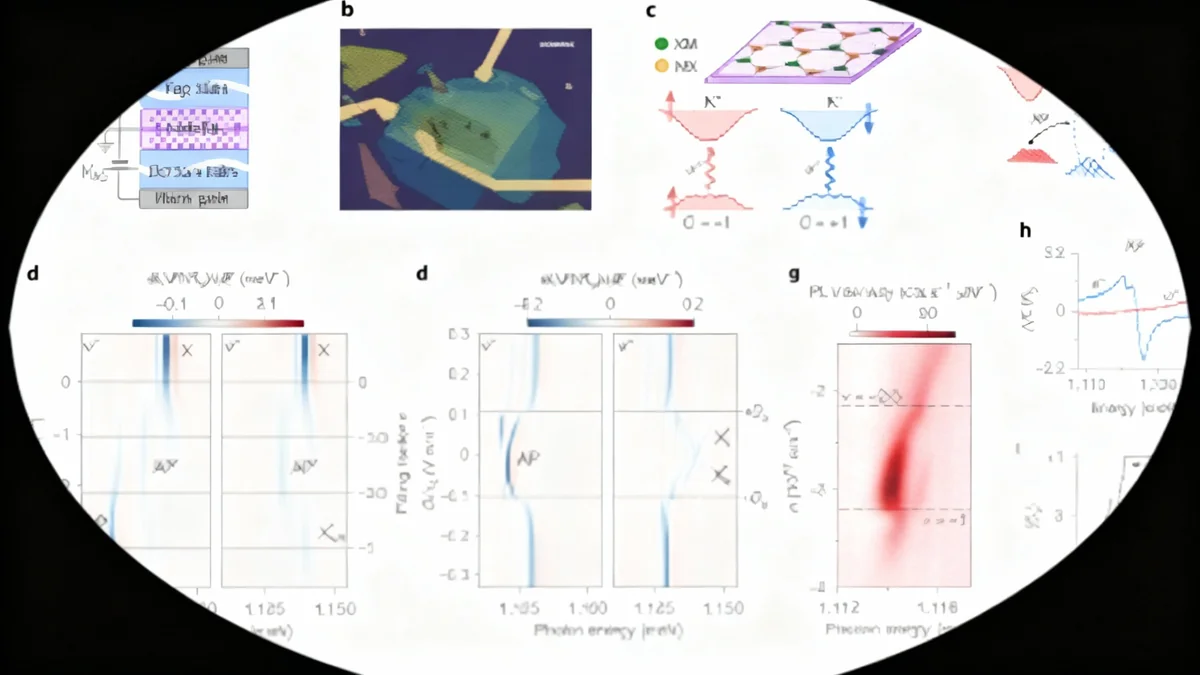
An international research team has successfully used light to control and switch the quantum properties of a 2D material, a breakthrough for quantum computing.
A scan of over 4,800 research papers from a top AI conference found 100 fake citations generated by AI, raising concerns about academic integrity.
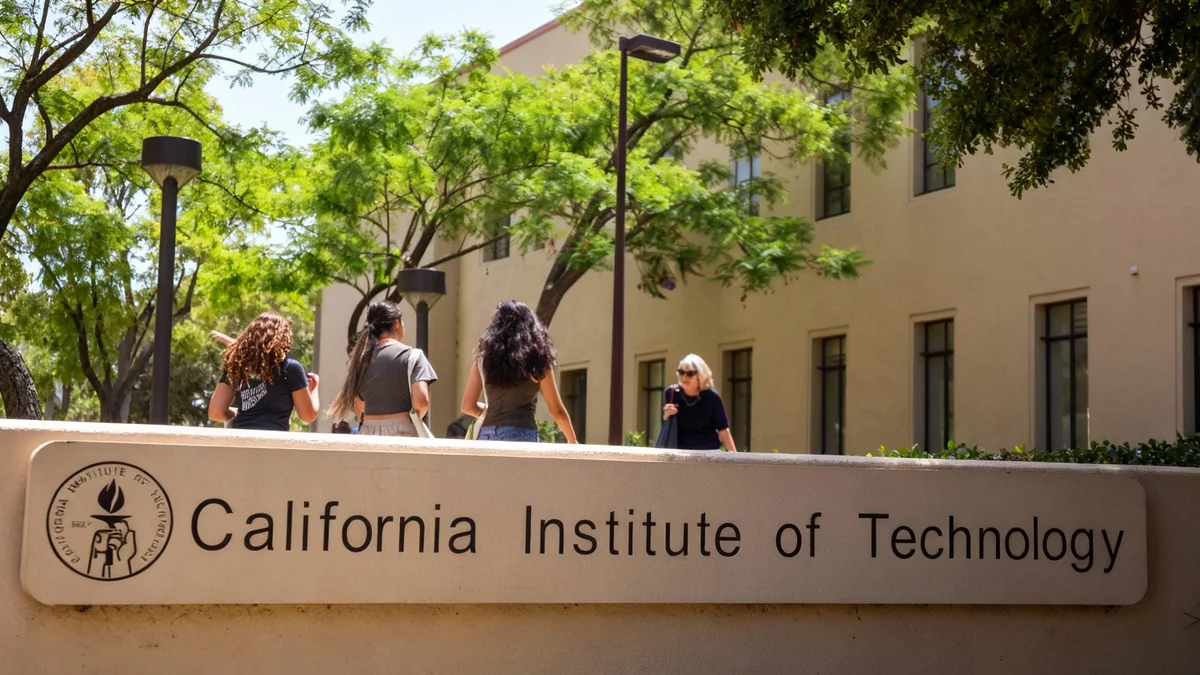
Universities like Caltech and Virginia Tech are now using artificial intelligence to interview applicants and score essays, aiming for efficiency but sparking debate.
Three years after ChatGPT's debut, universities are grappling with AI's role in education, leading to a deep divide among professors on how to adapt.
Purdue University has finalized a multi-million-dollar, five-year partnership with Google to integrate advanced artificial intelligence into its undergraduate curriculum.
A new study reveals AI tools like ChatGPT are causing a massive surge in scientific publications, boosting productivity by up to 89% for some researchers.
The University of San Francisco will use AI to help process student applications, aiming for efficiency while keeping final decisions human.
A growing number of universities are using artificial intelligence to read and evaluate student applications, aiming to speed up review times amid a surge in submissions.
Charlotte-Mecklenburg Schools recorded over 56,000 student absences this week. Parents cite fear from a federal immigration operation, while the superintendent ruled out remote learning.
China's Tsinghua University is rapidly closing the AI research gap with the U.S., producing more patents than MIT, Stanford, Harvard, and Princeton combined.
University students and Provost Alec Gallimore discussed AI's role in education and shared governance. Students use AI for motivation and pressure, while faculty raised concerns over decision-making.
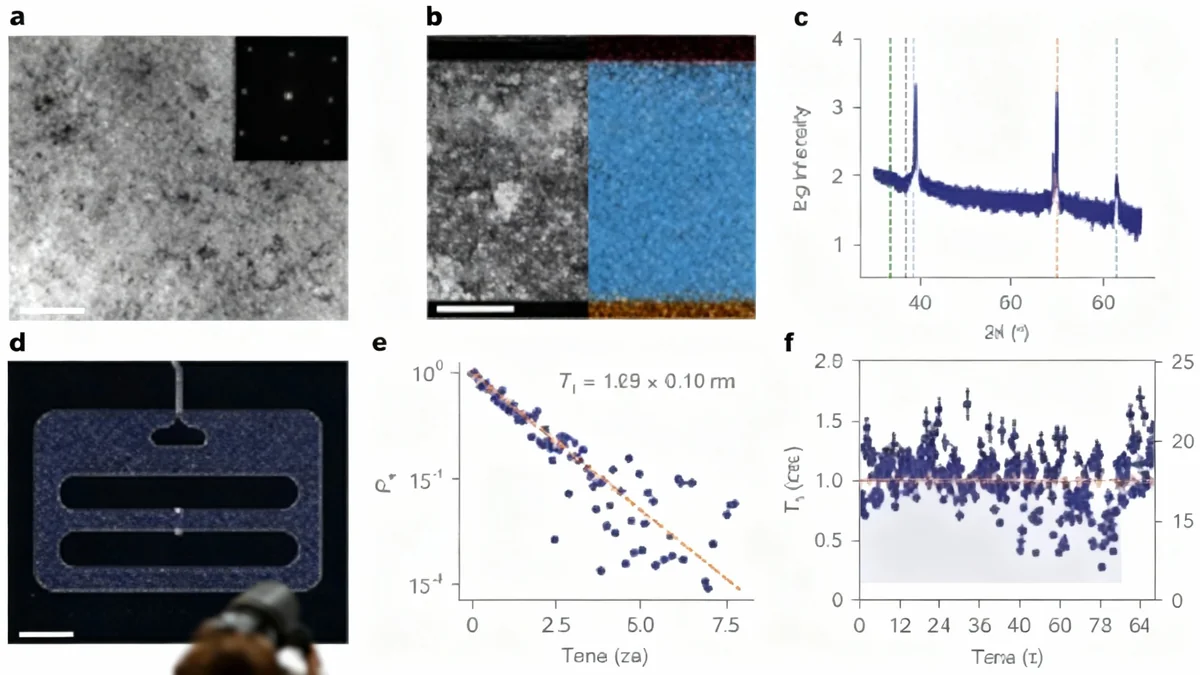
Researchers have developed a new quantum bit using tantalum on silicon, extending its stable lifetime to over 1.5 milliseconds and achieving 99.994% operational accuracy.
Academic publishing faces a severe integrity crisis, with journals losing credibility, peer review systems failing, and research fraud becoming a business model.
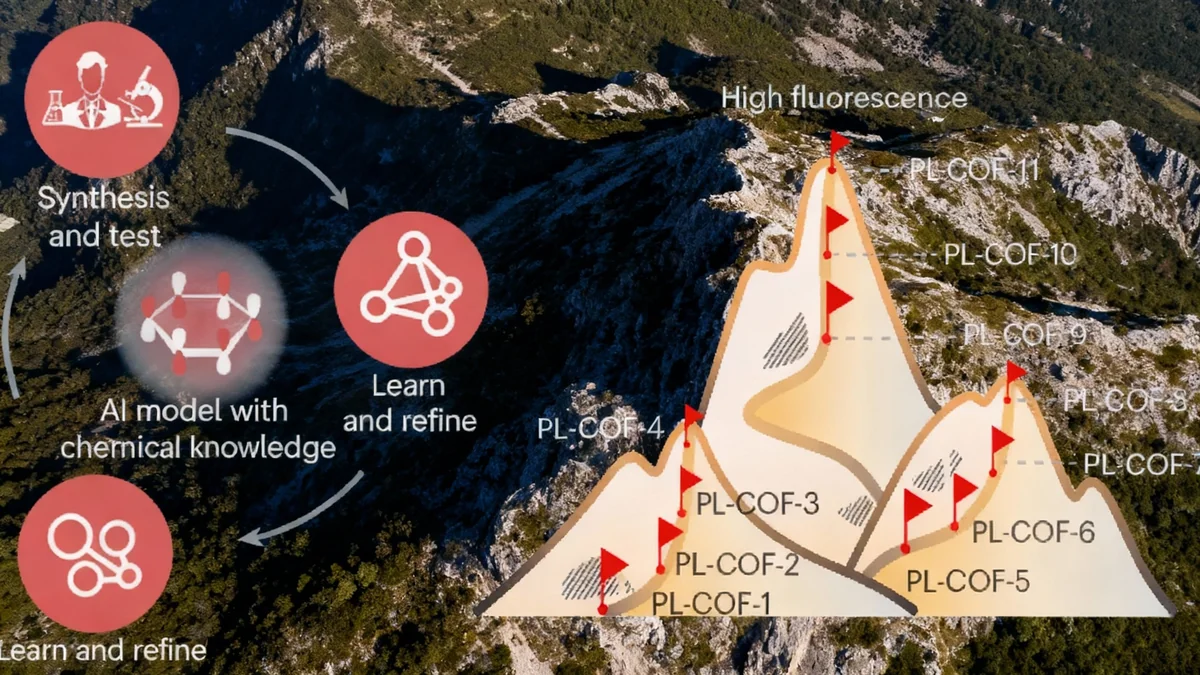
Scientists have developed an AI system that discovered a new, highly fluorescent material after just 11 experiments, a process that could transform medical imaging.
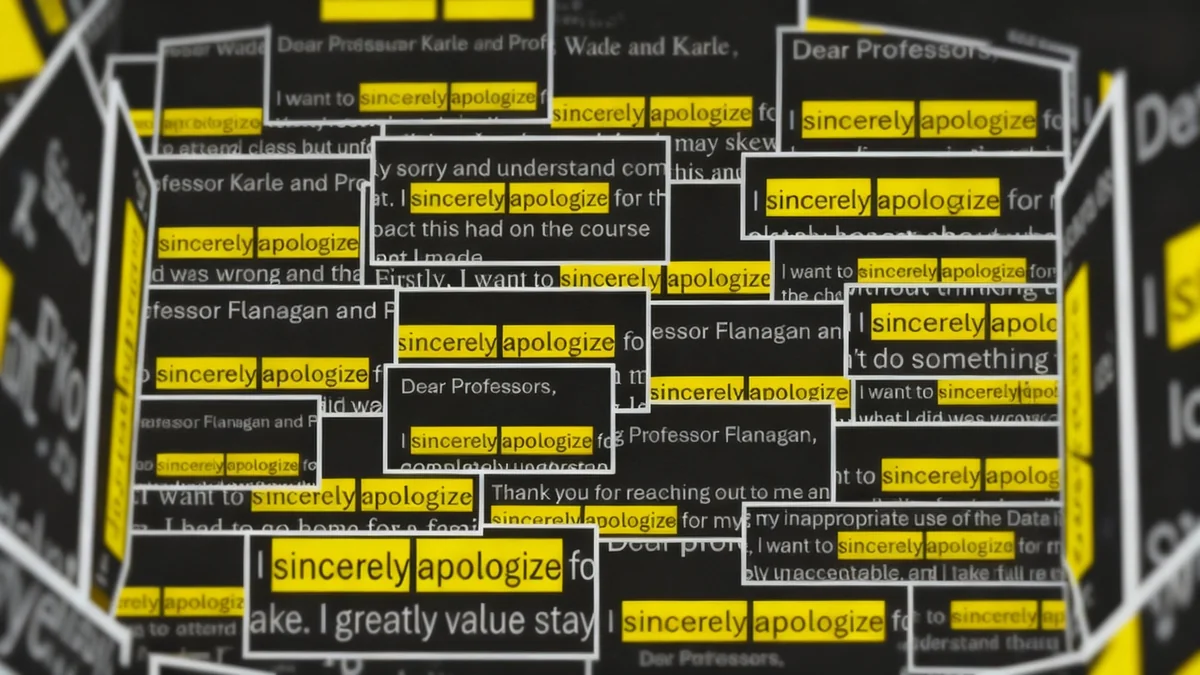
Dozens of University of Illinois students used AI to write identical apology emails after a cheating scandal, prompting their professors to create a public lesson.
Tulane University has banned Colorado Academy from its early decision program for one year after a student broke a binding agreement, highlighting the strict nature of early decision in college admiss