


While students are warned against using artificial intelligence to write their college essays, a growing number of universities are now employing the same technology to read and evaluate applications. Institutions are turning to AI to manage a surge in submissions, aiming to speed up review times and improve efficiency in the highly competitive admissions landscape.
Schools like Virginia Tech and the California Institute of Technology are among the early adopters, using AI for tasks ranging from scoring essays to verifying the authenticity of student research projects. This shift is reshaping the traditional admissions process, introducing both powerful new tools and complex ethical questions.
Key Takeaways
- Several universities have started using artificial intelligence to screen and analyze student applications.
- AI tools are being used to score essays, review transcripts, and even conduct interviews to gauge authenticity.
- The primary motivations are to increase efficiency and reduce decision times amid a record number of applications.
- While schools emphasize that humans make the final decisions, the use of AI has sparked debate and some public backlash.
The Rise of the AI Reader
The college admissions office, traditionally a place of paper files and human deliberation, is undergoing a significant technological transformation. With application numbers soaring, particularly since many schools made standardized tests optional, admissions departments are struggling to keep up. Artificial intelligence is emerging as a solution to handle the sheer volume.
Virginia Tech is at the forefront of this movement. This fall, the university is implementing an AI-powered system to help score the four short-answer essays required from each applicant. The goal is to significantly cut down on processing time and deliver admissions decisions to students a month earlier than in previous years.
"Humans get tired; some days are better than others. The AI does not get tired. It doesn’t get grumpy. It doesn’t have a bad day. The AI is consistent," explained Juan Espinoza, vice provost for enrollment management at Virginia Tech.
A System of Checks and Balances
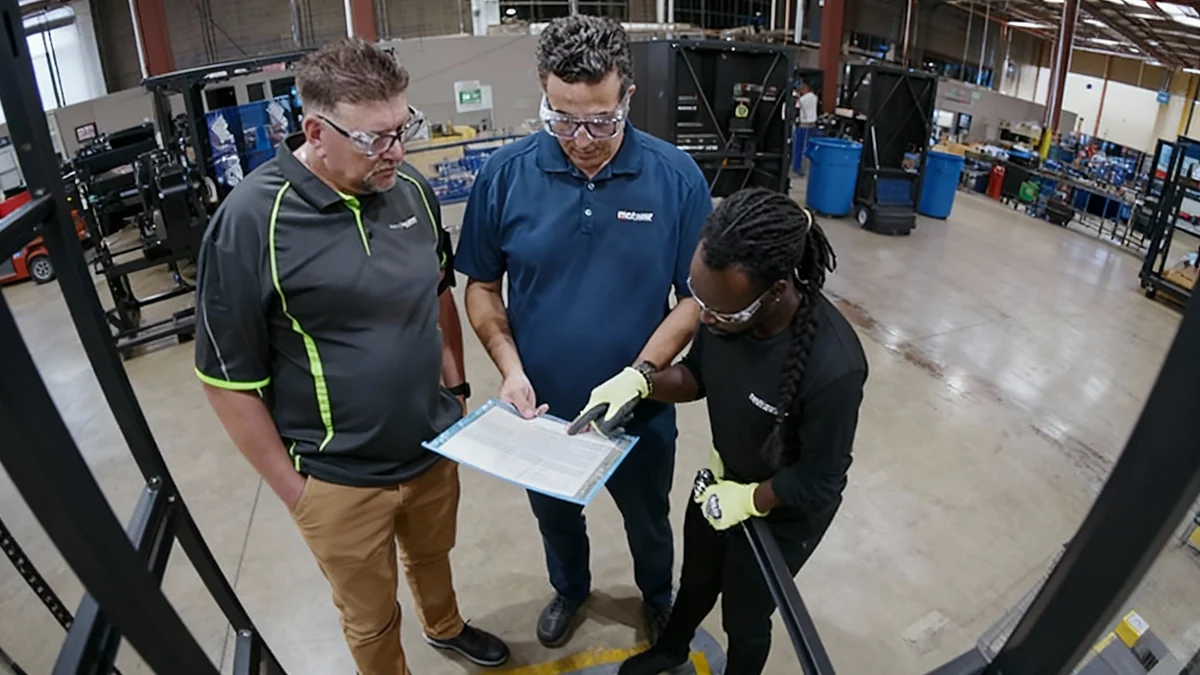
Virginia Tech's system, developed over three years, does not replace human evaluators but works alongside them. Previously, two human readers scored each essay. Now, one human and one AI model will provide scores. If their scores on a 12-point scale differ by more than two points, a second human reader is brought in to resolve the discrepancy.
This hybrid approach is designed to maintain human oversight while leveraging the speed of technology. University officials stress that AI is a tool to assist, not a replacement for, the holistic review process where human judgment remains central.
Efficiency by the Numbers
Virginia Tech received a record 57,622 applications for its 7,000 freshman seats last year. The new AI tool can process approximately 250,000 essays in under an hour. This is estimated to save at least 8,000 hours of human reading time based on last year's application volume.
More Than Just Essays
The application of AI in admissions extends far beyond essay evaluation. Other universities are using the technology to streamline tedious administrative tasks and extract deeper insights from application materials.
Georgia Tech is introducing an AI tool this year to review college transcripts from transfer students. The system automates the process of entering individual courses into a database, a task that was previously done manually. Richard Clark, the school's executive director of enrollment management, said this will allow the university to inform applicants much faster about how many of their credits will transfer.
"It’s one more layer of delay and stress and inevitable errors. AI is going to kill that, which I’m so excited about," Clark stated. Georgia Tech plans to expand this service to high school transcripts in the near future and is also exploring AI tools to identify low-income students who may be eligible for federal Pell Grants.
Summarizing the Student Story
At Stony Brook University in New York, administrators are testing AI to summarize student essays and letters of recommendation. The goal is to highlight key information for admissions officers, ensuring important context is not missed during a rapid review.
"Maybe a student was fighting a disease sophomore year. Or maybe a parent passed away, or they’re taking care of siblings at home. All these things matter, and it allows the counselors to look at the transcript differently," said Richard Beatty, the university's senior associate provost for enrollment management.
Gauging Authenticity in a Digital Age
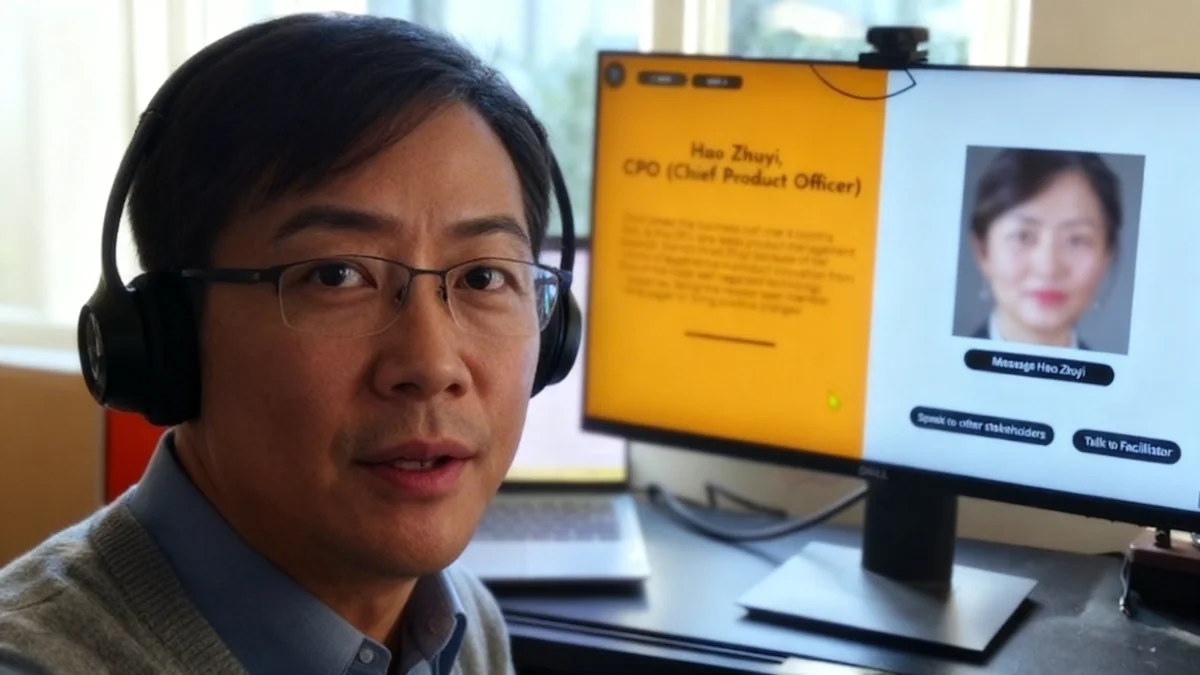
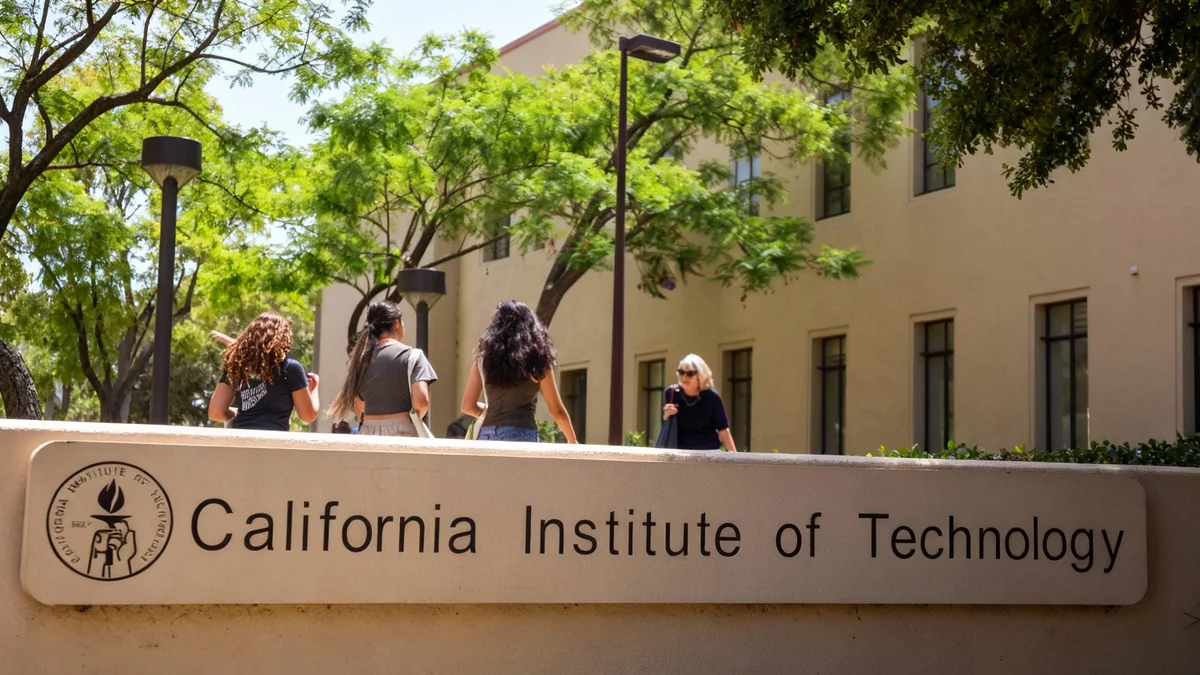
One of the more innovative uses of AI comes from the California Institute of Technology (Caltech). The highly selective school is launching a tool to verify the authenticity of research projects submitted by applicants. Students upload their research and are then interviewed about it by an AI chatbot on video. The recording is later reviewed by Caltech faculty.
Ashley Pallie, Caltech's director of admissions, described it as "a gauge of authenticity." She added, "Can you claim this research intellectually? Is there a level of joy around your project? That passion is important to us." This approach aims to counter the curated application packages sometimes developed with expensive consultants.
Navigating Controversy and Ethical Lines
The integration of AI into such a high-stakes process is not without its challenges. The very colleges using these tools often require students to certify they have not used AI unethically on their own applications, creating a delicate messaging situation.
Some schools have already faced public criticism. The University of North Carolina at Chapel Hill received negative feedback after its student newspaper reported the school was using AI to evaluate the grammar and writing style of applicant essays. In response, the university updated its admissions website to clarify its process, stating, "UNC uses AI programs to provide data points about students’ common application essay and their school transcripts," but emphasizing that every application is evaluated by "extensively trained human application evaluators."
Setting New Standards
The trend is new enough that its prevalence is hard to measure. In response, the National Association for College Admission Counseling (NACAC) recently updated its ethics guide to include a section on artificial intelligence. The new guidelines urge colleges to ensure their use of AI aligns with values of transparency, integrity, and fairness.
Emily Pacheco, founder of NACAC’s special interest group for AI and admission, sees a collaborative future. "Humans and AI working together — that is the key right now," she said. Pacheco believes AI can improve nearly every step of the process, from transcript reading to highlighting overlooked details about a student's circumstances.
As universities like Virginia Tech roll out their new systems, others are watching closely. The balance between technological efficiency and the nuanced, human-centered evaluation that has long defined college admissions remains a critical area of focus for educators and applicants alike.