Ohio State University has named Ravi V. Bellamkonda as its 18th president, a decision made less than a week after the abrupt resignation of his predecessor, Ted Carter. The university's board of trustees moved quickly to appoint Bellamkonda, who was serving as the university's provost, to maintain stability and forward momentum.
The rapid appointment, however, has drawn criticism from faculty groups who argue that the process lacked a national search and sufficient input from the academic community. Bellamkonda, a biomedical engineer and neuroscientist with a long career in academia, now steps into a role facing significant institutional challenges.
Key Takeaways
- Ravi V. Bellamkonda, formerly the provost, was named the 18th president of Ohio State University on March 12, 2026.
- The appointment followed the resignation of President Ted Carter on March 7, 2026, due to an inappropriate relationship.
- Faculty organizations have expressed skepticism over the speed of the appointment, which bypassed a traditional national search and faculty consultation.
- Bellamkonda inherits several complex issues, including ongoing litigation related to former team doctor Richard Strauss and calls to remove the Wexner name from campus buildings.
A Swift Transition in Leadership
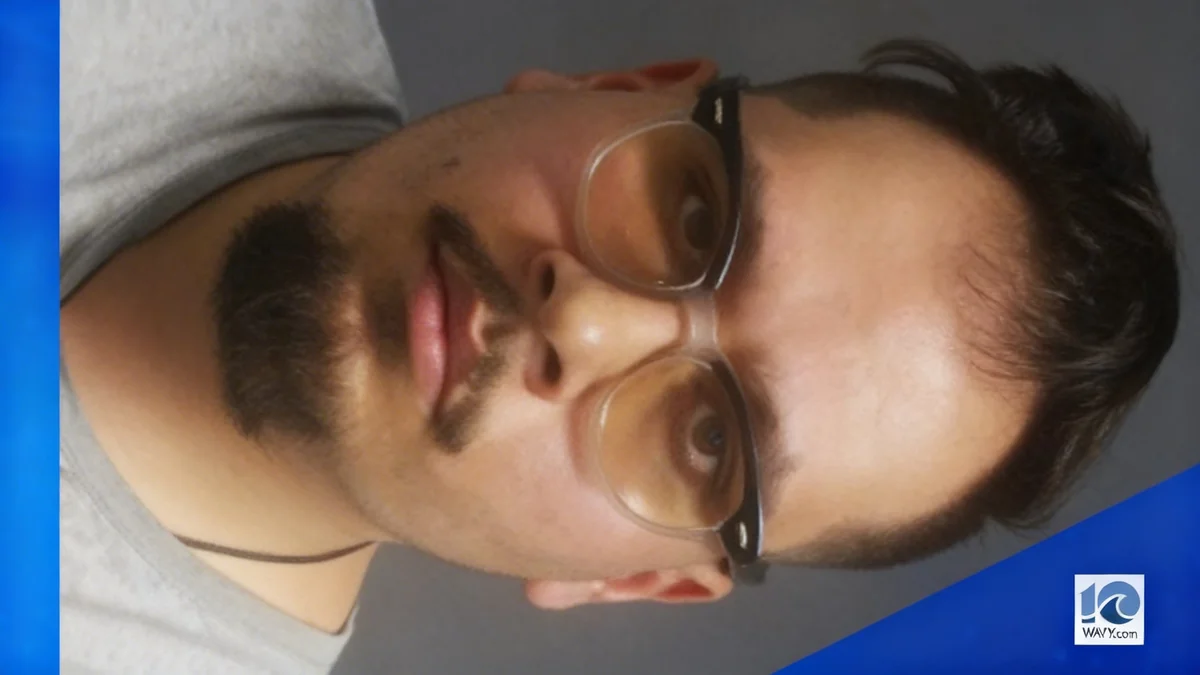
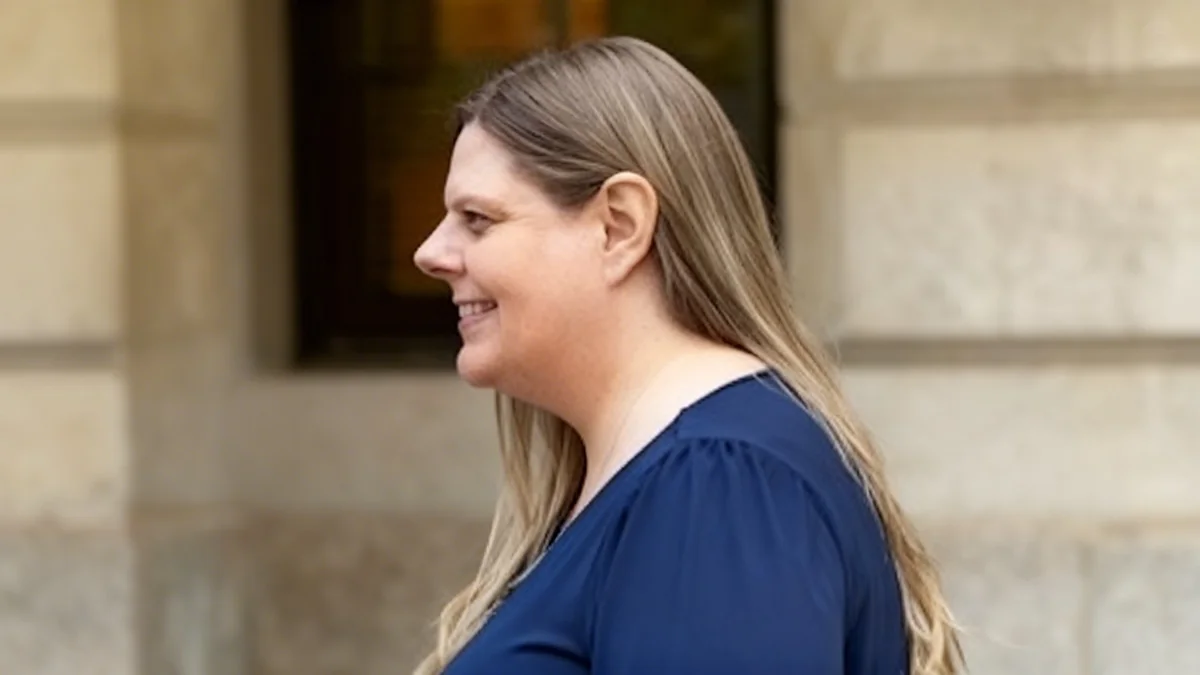
The leadership change at Ohio State University unfolded with remarkable speed. Former President Ted Carter resigned on Saturday, March 7, 2026, after admitting to an inappropriate relationship with a podcast host who was reportedly seeking university resources for her business. Just one day later, on Sunday night, trustees approached Ravi V. Bellamkonda to take on the presidency.
By Thursday, March 12, the appointment was official. A university spokesman, Benjamin Johnson, explained that the trustees acted decisively to preserve the university's momentum. He cited recent successes, including high academic rankings and the Buckeyes' 2025 College Football Playoff National Championship victory, as reasons to avoid a prolonged leadership vacuum. “They wanted to move quickly,” Johnson stated.
This accelerated timeline has not been met with universal approval. The Ohio Conference of the American Association of University Professors released a statement expressing concern. The organization highlighted the lack of faculty input, a pattern they also noted during Carter's hiring process. “Now is not the time for the university to default to business as usual,” the statement read, pointing to significant reputational damage from recent leadership scandals.
A Pattern of Turnover
The university has seen considerable turnover in its highest office, cycling through three presidents since 2020. This frequency is unusual in higher education and has contributed to faculty calls for a more transparent and inclusive selection process for leadership roles.
Profile of the New President
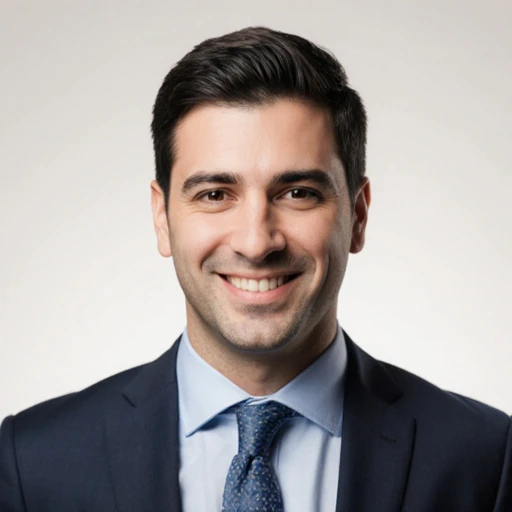
Ravi V. Bellamkonda brings a distinguished academic and administrative background to the presidency. Born and raised in India, he came to the United States in 1989 at the age of 21 to pursue a PhD in biomedical engineering at Brown University. He later became a U.S. citizen and completed a postdoctoral fellowship at the Massachusetts Institute of Technology.
His connection to Ohio began early in his career. From 1995 to 2006, Bellamkonda was a professor at Case Western Reserve University in Cleveland, where he says he became an avid fan of the Cleveland Cavaliers and Browns. His career path then led him to leadership positions at Georgia Institute of Technology, Emory University, and Duke University before he was recruited by Ted Carter to become the chief academic officer at Ohio State.
In his new role, Bellamkonda's compensation package includes a base salary of $1.4 million. He will also receive a country club membership and $75,000 annually in executive fringe benefits, which can cover a vehicle, personal travel, and financial advising. Performance bonuses and retention payments are also part of his potential earnings. Bellamkonda and his wife, Lalita Kaligotla, who is a professor in the OSU College of Nursing, have two adult children.
Navigating Inherited Controversies
Bellamkonda takes the helm at a time when Ohio State is grappling with several high-profile and sensitive issues. His ability to navigate these challenges will likely define the early years of his presidency.
The Legacy of Dr. Richard Strauss
One of the most painful chapters in the university's history is the decades of sexual abuse committed by former team physician Dr. Richard Strauss. Strauss is believed to have abused hundreds of students, primarily athletes, from 1978 until his retirement in 1998. Litigation from survivors continues.
“First of all, all of the survivors and former students are Buckeyes, members of our family. It hurts me and all of us deeply that this happened. And I’m just very sorry that this happened.”
Bellamkonda affirmed the university's commitment to supporting survivors, noting that since the allegations became public in 2018, the institution has offered monetary compensation, counseling, and health services. He stated that 304 survivors have settled with the university through five different settlement opportunities. For those who have not settled, the legal process continues.
However, many former athletes contest the university's timeline, claiming they reported Strauss's behavior to coaches and staff decades ago, long before the university says it became aware of the problem.
The Wexner Name on Campus
Another contentious issue involves the name of billionaire Leslie Wexner, which adorns the university's medical center and other campus buildings. Wexner, a major donor who has given over $100 million to OSU, has faced scrutiny for his long association with the convicted sex offender Jeffrey Epstein.
Hundreds of faculty, staff, students, and alumni have formally requested the removal of the Wexner name from university facilities, citing the negative association with Epstein. The university established a formal process for such requests in 2022.
When asked about the matter, Bellamkonda deferred to the existing procedure. “We have a well-established process, as the university has said before, and I think the process is thorough, fair and open,” he said. “And I promise you that we will give each request a full consideration.”
A Commitment to Shared Governance
Perhaps the most immediate challenge for Bellamkonda is rebuilding trust with the faculty. The concept of “shared governance,” where faculty have meaningful input on university decisions, is a cornerstone of academic tradition. The swift presidential appointment has left many feeling excluded.
Bellamkonda has signaled an awareness of these concerns. He announced his intention to consult with faculty about the qualities they seek in a new permanent provost and pledged to conduct a national search for his replacement as chief academic officer. This will be an early test of his commitment to a more collaborative leadership style.
In his first address after being appointed, Bellamkonda acknowledged the difficulties ahead but struck an optimistic tone. “I promise you this: Together, we will take on hard things that are worth doing... in athletics, in health care, in education,” he said. “We will lead and we will not be afraid to lead.”