
The San Francisco Unified School District is considering a plan to add five instructional days to the end of the current school year. This proposal aims to compensate for learning time lost during a four-day teacher strike that occurred last month.
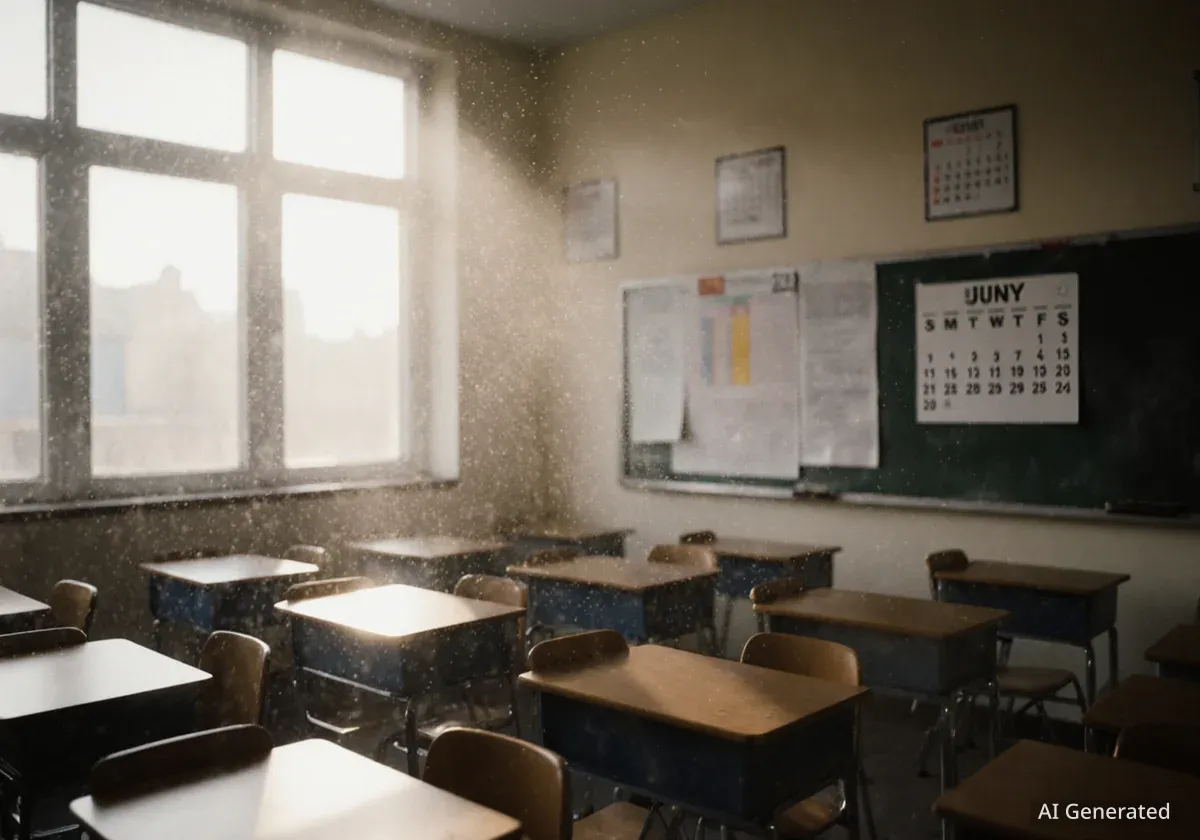
If approved, the academic calendar would extend to June 10, a move that is generating mixed reactions from parents who have already made summer plans. The final decision rests with the district's Board of Education, which is scheduled to review the proposal later this month.
Key Takeaways
- San Francisco Unified School District has proposed adding five days to the school year to make up for a four-day teacher strike.
- The proposed new end date for the school year is June 10.
- The plan requires approval from the Board of Education and will not impact high school finals or graduation schedules.
- Parent groups have expressed concerns about the logistical challenges for families with pre-existing summer plans.
Proposal to Recover Lost Instructional Time
Following a significant four-day teacher strike in February, the San Francisco Unified School District (SFUSD) is now grappling with how to address the resulting gap in student learning. Superintendent Maria Su announced the administration's official recommendation in a notification sent to parents on Friday.
The district's Academic Calendar Committee has put forward a plan to extend the school year by five days. This measure is intended to directly replace the four days of instruction that were canceled due to the labor action, with an additional day included in the proposal.
"Our priority is to ensure students receive the full scope of their planned education," a district spokesperson might state in such a situation, emphasizing the focus on academic recovery. The strike, which saw teachers and supporters demonstrate for better pay and classroom conditions, brought the city's public education system to a temporary halt.
Background on the Strike
The teacher strike last month was the culmination of prolonged negotiations between the teachers' union and the district. Key issues included demands for competitive salaries to afford living in one of the nation's most expensive cities, smaller class sizes, and increased support staff such as nurses and counselors. The four-day walkout was the first of its kind in the district in several decades, highlighting deep-seated tensions over school funding and resources.
Logistical Hurdles for San Francisco Families
While the district's proposal is aimed at benefiting students academically, it presents considerable logistical challenges for many families. Meredith Dodson, the executive director of the SF Parents Coalition, acknowledged the district's good intentions but pointed to the practical difficulties the calendar change would create.
"It’s great they’re trying to prioritize those missed learning days for kids," Dodson said, but noted the complications for families who have already finalized their summer schedules.
Many parents, particularly those in jobs that require vacation requests months in advance, have already booked travel, enrolled children in summer camps, or made other non-refundable arrangements. The proposed extension to June 10 could force families to choose between forfeiting deposits and having their children miss the final week of school.
"We’ll see a mixed bag of how many families are sending kids to schools and how many teachers are able to show up," Dodson added, highlighting potential issues with attendance for both students and staff if the plan is approved.
By the Numbers
- 4 Days: The length of the teacher strike in February.
- 5 Days: The proposed extension to the school year.
- June 10: The new proposed final day of school.
The Path to Approval
The proposal is not yet final. Superintendent Su made it clear in her announcement that any change to the academic calendar must be formally approved by the SFUSD Board of Education. The board is expected to take up the matter during a public meeting later this month, where community members will likely have an opportunity to voice their opinions.
The district has provided assurances on several key points to mitigate some concerns, particularly for older students. Officials have confirmed that the revised schedule would not interfere with the established dates for high school final exams. Furthermore, graduation ceremonies and related plans for graduating seniors will proceed as originally scheduled, regardless of the calendar extension for other students.
This careful planning aims to prevent disruption for students at a critical point in their academic careers. However, for families with younger children, the uncertainty remains a primary source of stress as they await the board's final vote.
Community Weighs In on the Decision
The debate over the school year extension reflects the complex balance between educational priorities and the realities of family life. On one side, educators and some parents argue that every possible instructional day is crucial, especially for students who may have fallen behind. Recovering the lost time is seen as an academic necessity.
On the other side, many parents feel the sudden change is an unfair burden. They argue that families planned their lives around the official calendar published at the start of the year. The disruption caused by the strike is now being compounded by a potentially disruptive solution, forcing them to absorb the logistical and financial fallout.
As the Board of Education prepares to deliberate, they will be tasked with weighing these competing interests. The decision will not only affect summer plans but also set a precedent for how the district handles instructional time lost to labor disputes in the future. The outcome will be closely watched by thousands of families across San Francisco.