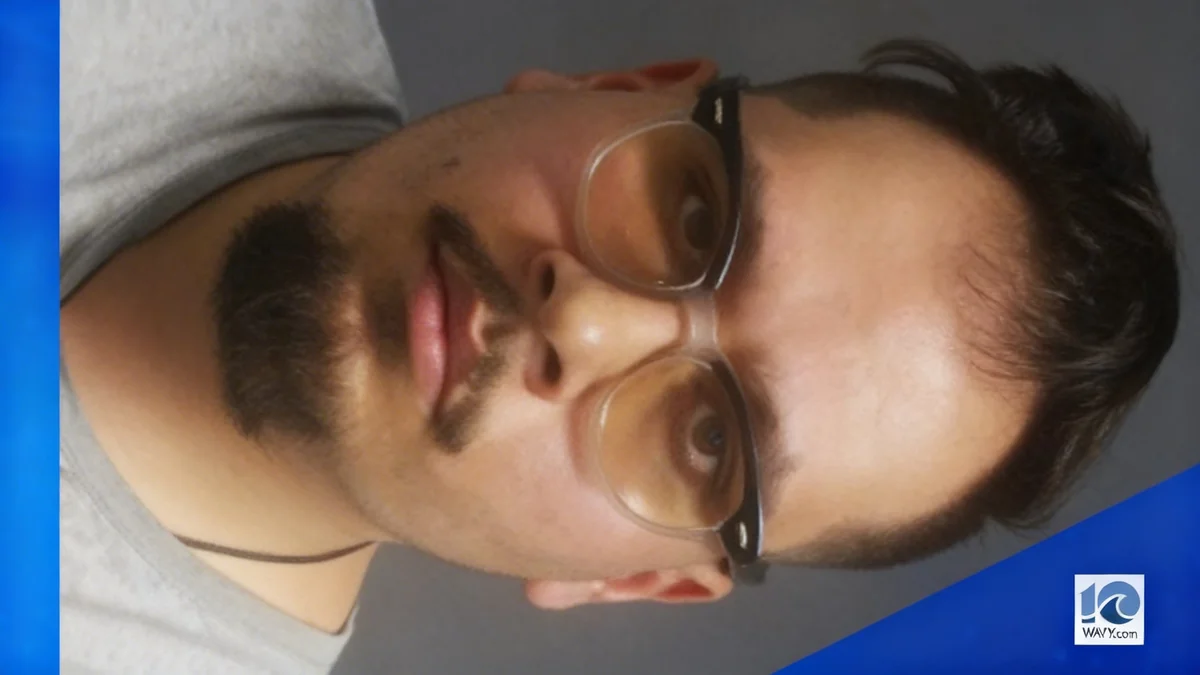
University of Nebraska-Lincoln Chancellor Rodney Bennett announced his resignation on Monday, ending his tenure just six months into his contract. The sudden departure comes after a period of significant budget cuts and a historic vote of no confidence from the university's faculty.
In an email to the university community, Bennett stated his service would conclude on January 12. University of Nebraska system President Dr. Jeffrey Gold has appointed Kathy Ankerson, who recently retired as UNL's chief academic officer, to serve as interim chancellor.
Key Takeaways
- Chancellor Rodney Bennett is resigning from UNL on January 12, nearly six months short of his initial contract term.
- The resignation follows his leadership through $27.5 million in budget cuts and a "no confidence" vote from faculty in November.
- NU President Dr. Jeffrey Gold described the decision as "abrupt" and "personal," stating it was not anticipated.
- Former chief academic officer Kathy Ankerson has been named interim chancellor to lead the university through the transition.
- A national search for a permanent chancellor is not expected to begin until mid to late spring 2026.
A Sudden and Unexpected Exit
The announcement of Chancellor Bennett's resignation has sent ripples through the University of Nebraska-Lincoln community. His departure, effective January 12, cuts his leadership term significantly short of the originally planned June 30 end date.
NU President Dr. Jeffrey Gold characterized the move as a surprise. He confirmed that Bennett's choice was a "very personal decision" made with his family, adding that it was an "abrupt decision" and "nothing that we really saw coming." While Gold noted he had enough advance notice to arrange for an interim leader, the swiftness of the exit has raised questions across campus.
Contractual Implications
Bennett's contract included a clause requiring 60 days' notice before resignation, a provision that can be waived by mutual agreement. Furthermore, the contract stipulated a payment of $1 million to the university if he resigned before June 30 to accept an administrative post at another academic institution. When asked if he knew whether this was the reason for the departure, President Gold stated, "I do not."
In his brief email, Bennett, 59, did not provide a specific reason for leaving. He expressed his belief in the "transformative power of higher education" and indicated he would remain in the field.
"I look forward to exploring opportunities on the horizon that will enable me to elevate mission and purpose in support of student success," Bennett wrote in his departure message.
Despite the abrupt nature of the departure, Gold expressed gratitude for Bennett's service, highlighting his efforts to stabilize UNL's financial position and advance student success.
Navigating a Challenging Financial Landscape
Chancellor Bennett's brief tenure was largely defined by his efforts to address significant financial challenges at the university. He oversaw a difficult process of implementing $27.5 million in budget cuts during the fall semester.
These cuts included nearly $7 million from the elimination or merging of academic programs, a move approved by the University of Nebraska Board of Regents in early December. The implementation of the remaining cuts was still underway at the time of his resignation announcement.
The Faculty's Response
The handling of these budget challenges led to considerable friction with the university's faculty. In November, Bennett became the first chancellor in UNL history to receive a vote of "no confidence" from the faculty. The vote passed overwhelmingly, 60-14, signaling deep concerns over his leadership during the budget crisis.
Following the vote, Bennett largely avoided direct public comment on the matter. After the December regents meeting, he acknowledged that UNL had "a lot of work to do" and pledged to proceed with "care and concern for everybody who’s impacted."
By the Numbers: Bennett's Tenure
- Start Date: July 2023
- Resignation Date: January 12, 2026
- Budget Cuts Overseen: $27.5 million
- Faculty No Confidence Vote: Passed 60-14 in November
The contract situation added another layer of uncertainty. As recently as October, Bennett had expressed a desire for a contract extension. However, the decision rested with the Board of Regents, and no action was taken. Paul Kenney, chair of the NU Board of Regents, confirmed that the board had not discussed Bennett's contract as a group, though he acknowledged hearing "rumors" that the chancellor might leave before July.
New Interim Leadership and the Path Forward
With Bennett's departure imminent, President Gold has turned to a veteran university administrator to steer the ship. Kathy Ankerson, who retired at the end of 2024 after serving as UNL's executive vice chancellor and chief academic officer, will step in as interim chancellor.
Ankerson has a long history at UNL, having previously served as dean, associate dean, and a professor in the College of Architecture. Her deep institutional knowledge is seen as a key asset during this transitional period.
President Gold has emphasized the need for stability and communication. "We understand that the news about Chancellor Bennett is one change on top of many other changes," he said. He announced that he and Ankerson plan to hold several listening sessions with the campus community to help shape the path forward.
A search for a permanent replacement is not expected to begin anytime soon. Gold indicated a national search for both the UNL chancellor and a separate chancellor for the University of Nebraska Medical Center (UNMC) would likely commence in the spring of 2026. He cited the need to navigate the upcoming legislative session and address a state budget hole before launching a major leadership search.
Despite the leadership change, Gold affirmed his confidence in UNL's future, noting that many of the budget challenges have been addressed. He also clarified that there are no plans to merge leadership roles between UNL and UNMC, stating that both campuses will "maintain their own solid academic leadership."
A Legacy of Progress and Turmoil
In his final message, Bennett chose to focus on the achievements during his time at UNL. He highlighted the stabilization of campus enrollment after years of decline, new records for first-year student retention, and record fundraising milestones.
He also pointed to advancements in research, innovation, and statewide extension programs as key successes. Bennett concluded by thanking faculty, staff, students, and alumni for their contributions.
"It has been my highest honor and privilege to have served as your chancellor," Bennett wrote to students. "You are the reason we are all here, and I look forward to witnessing how you will... change the world for the better."
While his tenure was marked by financial strife and faculty dissent, supporters like U.S. Rep. Mike Flood credited Bennett's stewardship with helping to "keep the university competitive." As UNL moves forward under interim leadership, the campus community will be watching closely to see how the foundation laid during this brief but impactful period will shape its future direction.