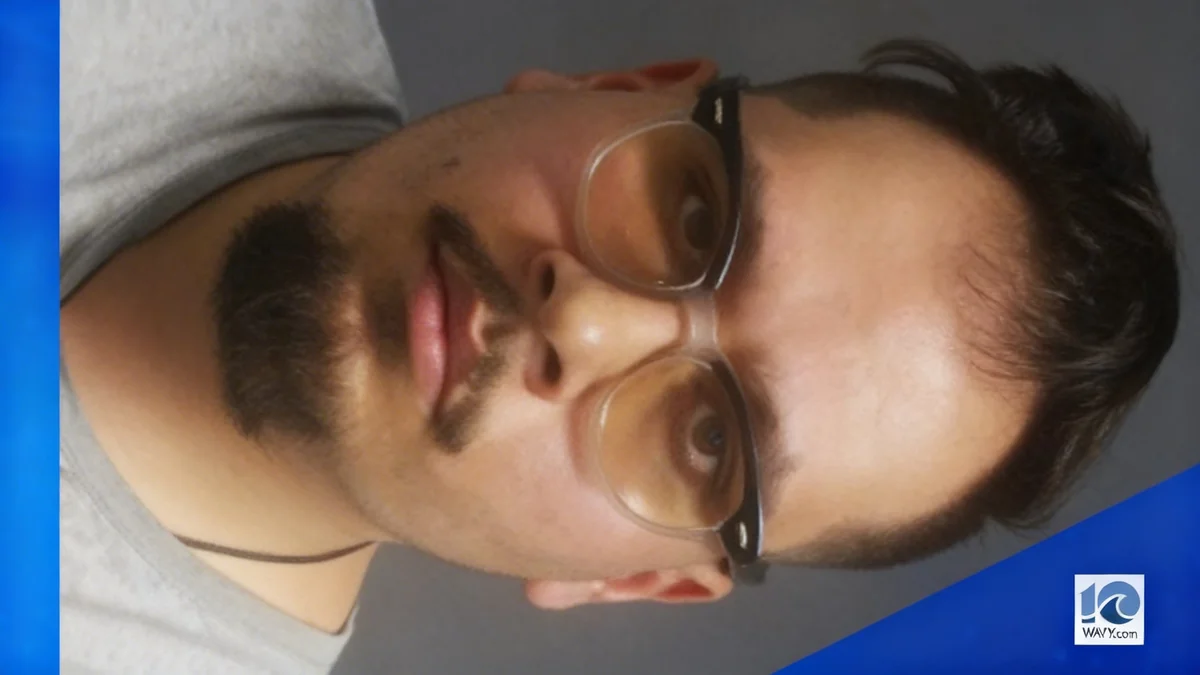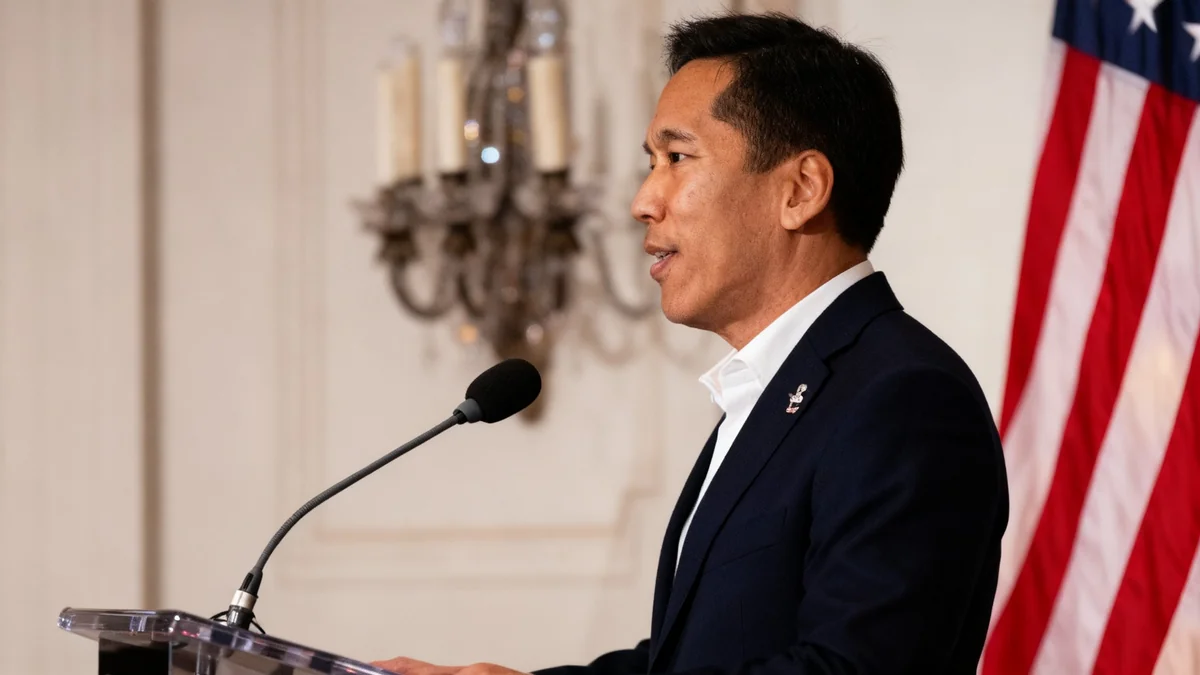
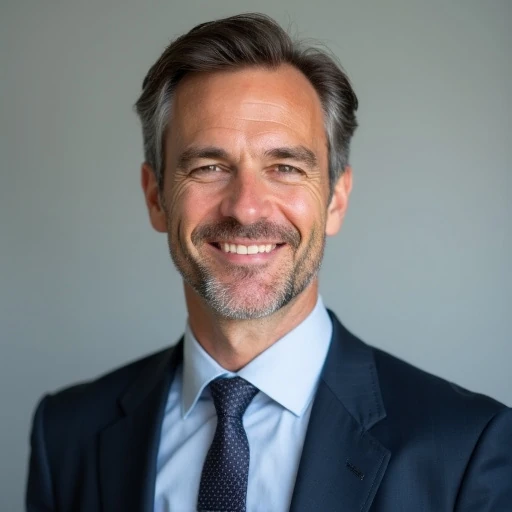
The University of Southern California has named Beong-Soo Kim as its 13th president, concluding a year-long search with an unexpected choice. Kim, 53, who had been serving as interim president since July 2025, was not initially a candidate for the permanent role but was ultimately selected to lead the university through a period of significant financial and institutional challenges.
The appointment, effective immediately, comes after Kim spent seven months implementing major austerity measures to address a $200 million budget deficit. His leadership during this critical time earned him widespread support from across the university community, prompting the board of trustees to consider him for the permanent position.
Key Takeaways
- Beong-Soo Kim, initially the interim president, has been appointed the 13th permanent president of USC.
- The decision follows his seven-month tenure managing a $200 million budget deficit and over 1,000 layoffs.
- Kim, a former federal prosecutor, brings a non-traditional background to university leadership.
- He faces ongoing challenges including federal pressures on higher education, the integration of AI, and labor union disputes.
Navigating a Period of Austerity and Change
Beong-Soo Kim steps into the presidency at a difficult time for USC. The university has been grappling with a severe financial shortfall that led to significant cuts and the layoff of more than 1,000 employees since last summer. These actions have caused unease among the university's 4,500 faculty and 19,000 staff members, with labor unions criticizing a perceived lack of transparency regarding the budget crisis.
In an interview, Kim expressed confidence in the university's financial recovery. "The university is in a much stronger financial position now, and we’re really looking forward to the opportunities on the horizon," he stated. Despite the recent cuts, Kim noted that the university's research funding has continued to grow, a sign he points to as evidence of USC's focus on its core academic mission.
Beyond finances, Kim's leadership will be tested by a complex national landscape for higher education. Universities are facing pressure from the federal government on various fronts, including policies related to diversity programs, international student enrollment, and campus protests. Last year, USC notably rejected a White House "academic compact" that aimed to implement more conservative campus policies.
The Broader Context for Higher Education
American universities are currently navigating a turbulent environment. Issues include declining public trust in the value of a four-year degree, political pressure to alter curriculum and diversity initiatives, and the disruptive potential of artificial intelligence. Leaders like Kim must balance financial stability with academic freedom and innovation.
The Rise of an Unexpected Candidate
When Kim accepted the interim presidency following Carol Folt's retirement, the understanding was that he would not be a candidate for the permanent job. However, his performance in the temporary role changed the dynamic of the search. Suzanne Nora Johnson, chair of USC’s board of trustees, explained that the search committee began receiving a flood of support for Kim from all corners of the university.
"We started receiving an overwhelming number of letters and nominations from every part of the community, our faculty, our staff, deans, students, alumni, members of the community, who asked us if we would consider him," Johnson said. This widespread endorsement prompted the committee to officially invite Kim into the candidate pool late last year.
The 20-person search committee, co-chaired by trustees Carmen Nava and Mark Stevens, ultimately recommended Kim to the board. Johnson described him as a "next generation president" equipped with the skills to guide USC through a rapidly changing world.
A Leader with a Unique Background
Kim's professional history sets him apart from many university presidents, whose careers are typically rooted in academia. Before joining USC as its top lawyer in July 2020, he was a partner at the Jones Day law firm and a vice president at Kaiser Permanente. He also served nearly nine years as a federal prosecutor in the U.S. attorney’s office in Los Angeles.
From Prosecutor to President
Beong-Soo Kim's experience as USC's general counsel placed him at the center of several high-profile university issues, including:
- The fallout from the "Varsity Blues" college admissions scandal.
- Navigating the operational challenges of the COVID-19 pandemic.
- Managing the university's response to pro-Palestinian campus protests in 2024.
- Providing legal counsel for USC's move to the Big Ten athletic conference.
This legal and crisis-management background may have been precisely what the board found appealing. His tenure as general counsel required him to handle complex and sensitive situations, preparing him for the multifaceted challenges of the presidency.
"Higher education going through a lot of changes and challenges," Kim acknowledged, emphasizing his pride that "our research expenditures have been going up. We have continued to focus on our core mission of providing outstanding educational value to our students."
He also plans to focus on improving the campus climate. Kim stated a commitment to "strengthening our academic culture around intellectual curiosity and engagement with different viewpoints," noting that USC has an obligation to model constructive dialogue for its students.
A Personal Connection to USC
For Kim, leading USC is a personal milestone. In a welcome video, he shared that his parents, immigrants from Korea, were graduate students at the university in the late 1960s. His mother earned her master's degree at USC and became a third-grade public school teacher.
"This is an amazing, full-circle moment," Kim said. "As a child visiting campus... I remember the excitement and possibility in the air as Trojans set the bar for excellence and achievement."
This deep personal history, combined with his recent track record of steady leadership during a crisis, appears to have convinced the board that the interim president was the right permanent leader for USC's future. As he takes the helm, the university community will be watching to see how he navigates the financial, political, and technological currents shaping higher education today.