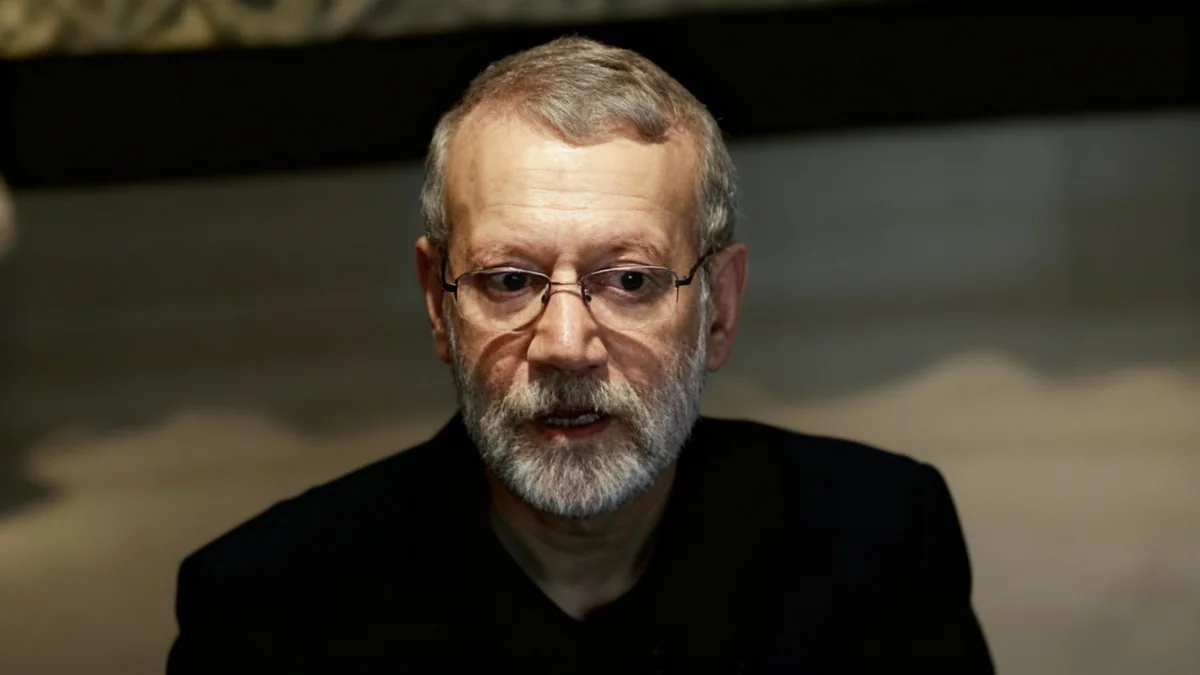
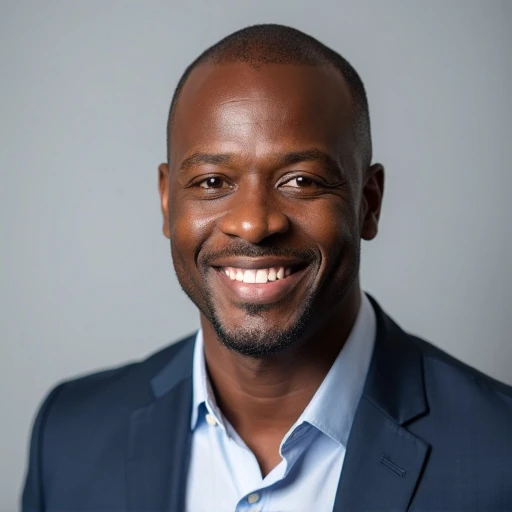

Emory University School of Medicine in Atlanta has confirmed that Dr. Fatemeh Ardeshir-Larijani, the daughter of a senior Iranian official, is no longer employed by the institution. The university made the announcement following recent public demonstrations and new U.S. sanctions targeting members of the Iranian government.
Dr. Ardeshir-Larijani had served as an assistant professor in the department of hematology and medical oncology. Her departure comes amid heightened scrutiny over her connection to her father, Ali Larijani, who was recently sanctioned by the United States government.
Key Takeaways
- Emory University confirmed Dr. Fatemeh Ardeshir-Larijani is no longer an employee as of January 24.
- Her father, Ali Larijani, is a senior Iranian official who was sanctioned by the U.S. Treasury on January 15.
- The decision followed a protest by Iranian-American demonstrators outside Emory’s Winship Cancer Institute.
- The university has described the situation as a “personnel matter” and stated all hiring complies with federal and state laws.
University Confirms Departure
An internal email sent to faculty at the Emory University School of Medicine on January 24 announced the end of Dr. Fatemeh Ardeshir-Larijani's employment. The message, from Dean Sandra Wong, confirmed her status change without providing specific details about the circumstances of her departure.
Prior to this announcement, Dr. Ardeshir-Larijani was listed as an assistant professor. Her professional profiles on the Emory faculty page and the Emory Healthcare website were taken down around the same time the internal communication was released. As of January 24, both pages were no longer accessible to the public.
Emory University officials have been reserved in their public comments. Andrea Clement, the associate director of public relations at the Winship Cancer Institute of Emory University, characterized the issue as a confidential personnel matter.
“Emory is committed to advancing patient care, research, and education. Our employees are hired in full compliance with state and federal laws and other applicable requirements.”
This statement underscores the university's position that its hiring practices are legally sound, but it does not address the specific reasons for Dr. Ardeshir-Larijani's departure.
Protests and Sanctions Form a Backdrop
The decision by Emory University did not occur in a vacuum. It followed a series of events that brought public attention to Dr. Ardeshir-Larijani's employment. A group of Iranian-American demonstrators recently organized a protest outside the Winship Cancer Institute, where she worked. The protesters voiced their opposition to her employment, citing her father's role in the Iranian government.
Who is Ali Larijani?
Ali Larijani is a prominent figure in Iranian politics. He has served as the Chairman of the Parliament of Iran and is currently the Secretary of Iran’s Supreme National Security Council. His long career places him in the upper echelons of the country's political establishment.
The timing of these events is significant. On January 15, just days before the university's announcement, the U.S. Department of the Treasury’s Office of Foreign Assets Control (OFAC) sanctioned Ali Larijani along with other Iranian officials. The sanctions were imposed in response to the Iranian government's actions against protesters within the country.
The Treasury Department stated that it was “taking action against the architects of the Iranian regime’s brutal crackdown on peaceful demonstrators.” These sanctions are part of a broader U.S. policy to apply financial pressure on key figures in Iran's government.
A Focus on a Personnel Matter
Despite the external pressures from protests and international sanctions, Emory University has maintained that its handling of Dr. Ardeshir-Larijani's employment is an internal affair. The classification of the situation as a “personnel matter” is common practice for institutions when discussing employee status, as it helps protect individual privacy and avoids legal complications.
The university's statement emphasizes adherence to all applicable laws. This suggests that the initial hiring of Dr. Ardeshir-Larijani was conducted through standard procedures and met all legal requirements for employment in the United States. It does not, however, shed light on whether the subsequent political developments influenced the final decision regarding her continued employment.
Timeline of Events
- January 15: The U.S. Treasury Department sanctions senior Iranian official Ali Larijani.
- Following Jan. 15: Iranian-American demonstrators protest outside Emory’s Winship Cancer Institute.
- January 24: An email from the medical school dean announces Dr. Fatemeh Ardeshir-Larijani is no longer an employee.
- January 24: Dr. Ardeshir-Larijani’s faculty and healthcare profiles are removed from Emory websites.
The convergence of public protest, U.S. foreign policy, and university employment has created a complex situation. While demonstrators may see the outcome as a direct result of their advocacy, the university has framed it within the standard procedures of human resources and employee management.
The case highlights the challenges academic institutions can face when employees have close ties to foreign governments, particularly those under sanction by the U.S. It raises questions about the balance between academic freedom, employment law, and the influence of geopolitical events on local institutions. For now, Emory University has closed this chapter, holding firm to its official position that this was a confidential personnel decision handled in accordance with established protocols.