
Several schools in Philadelphia sent students home early on Monday after heating systems failed to cope with frigid temperatures, leaving classrooms dangerously cold. The incidents have prompted sharp criticism from the Philadelphia Federation of Teachers, which is calling for more proactive measures to ensure student and staff safety.
The School District of Philadelphia confirmed that multiple buildings experienced heat-related issues, forcing early dismissals. As the district works to address the problems on a case-by-case basis, the teachers' union is advocating for the use of virtual learning on days when school buildings cannot be adequately heated.
Key Takeaways
- Several Philadelphia schools, including Farrell and Greenberg elementary, closed early due to insufficient heat.
- The Philadelphia Federation of Teachers reported classroom temperatures as low as 38 degrees Fahrenheit.
- The union is urging the district to implement virtual learning for schools with known heating problems during cold snaps.
- District officials cite aging infrastructure and extreme weather as contributing factors to the failures.
Frigid Classrooms Force School Closures
Students and staff at a number of Philadelphia schools arrived on Monday to find their buildings uncomfortably cold. The situation was severe enough to warrant early dismissal at several locations, including Farrell Elementary School, Greenberg Elementary School, the U School, and Parkway Center City Middle College.
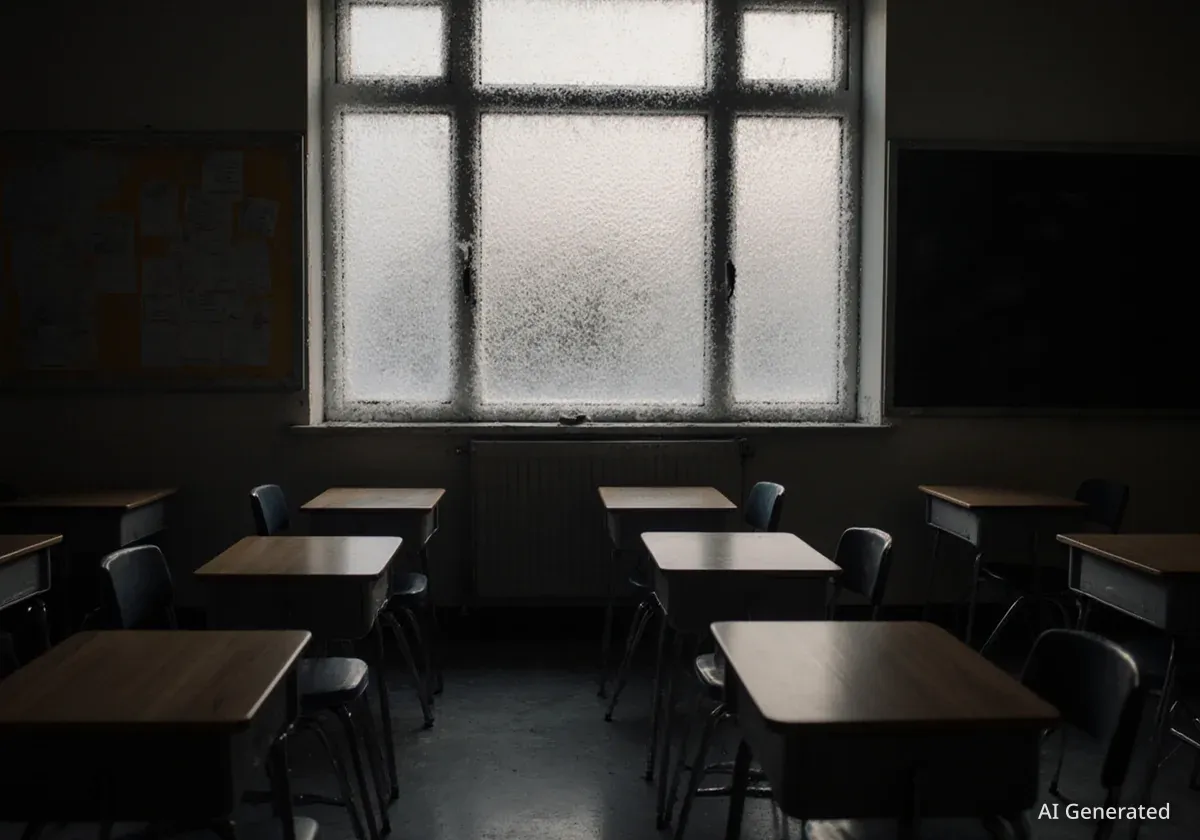
Reports from inside the affected buildings painted a stark picture of the learning environment. Students and teachers were seen wearing winter coats, hats, and gloves indoors just to stay warm. The conditions have raised serious concerns about the well-being of everyone in these buildings.
Extreme Cold in the Classroom
According to the Philadelphia Federation of Teachers, one classroom's temperature was reported to be as low as 38 degrees Fahrenheit. Even allowing for a margin of error, temperatures in the 40s are considered unacceptable for a learning environment.
Arthur Steinberg, the president of the Philadelphia Federation of Teachers (PFT), expressed his frustration with the district's handling of the situation. He emphasized the need for better preparation and monitoring of school facilities, especially during periods of extreme cold.
"It's really imperative the district put a process in place to evaluate and monitor these buildings before they send them back in them," Steinberg stated.
Teachers' Union Demands Action and Accountability
The PFT has been vocal in its criticism, questioning why students and staff were allowed into buildings that the district should have known were at risk for heating failures. The union argues that the district has a responsibility to ensure a safe and conducive learning environment, which was not met on Monday.
"We know that kids learn better and teachers teach better when they're face to face, but not when the buildings are freezing cold," Steinberg explained. He stressed that forcing education to continue under such conditions is counterproductive and potentially unsafe.
The union's primary demand is for the district to utilize remote instruction as a fallback. Steinberg suggested that for schools with a history of heating issues, a shift to virtual learning should be an automatic protocol during severe weather events.
"I am not at this point saying the entire district should be virtual, but they know where they have difficulties keeping heat in the buildings and they should take advantage of that technology," he added.
A Proactive vs. Reactive Approach
The core of the union's argument is a call for a more proactive strategy. Instead of waiting for systems to fail and then reacting with early dismissals, the PFT wants the district to identify vulnerable schools ahead of time. This would allow for a smoother transition to virtual learning, preventing students and parents from being inconvenienced by last-minute closures.
This approach, the union contends, would provide stability and ensure that instructional time is not lost due to foreseeable infrastructure problems. The debate highlights a larger tension between maintaining in-person instruction and ensuring the basic physical needs of students and staff are met.
The District's Response and Infrastructure Challenges
In response to the closures and the union's criticism, the School District of Philadelphia has acknowledged the problems. Officials have stated that ensuring the safety of students and staff remains a top priority. They are actively working to repair the heating systems and address concerns as they arise.
Aging Buildings Pose a Constant Challenge
The School District of Philadelphia manages one of the oldest building portfolios of any major urban school district in the United States. The average age of its school buildings is over 70 years. This aging infrastructure requires constant maintenance and is particularly susceptible to failure during extreme weather conditions, making heating and cooling a persistent issue.
The district points to the combination of its aging facilities and the recent spell of frigid temperatures as the primary cause of the equipment failures. While repairs are underway, this situation brings a long-standing issue into sharp focus: the need for significant, long-term investment in school infrastructure.
Without major upgrades, these types of failures are likely to become more common, especially as weather patterns become more extreme. The district is caught between immediate repair needs and the larger, more expensive challenge of modernizing its entire stock of school buildings.
Impact on Students and the Path Forward
The immediate impact of the heating failures is clear: lost learning time and a disruption to the daily routines of thousands of families. Unexpected early dismissals create significant childcare challenges for working parents and interrupt the educational process for students.
Furthermore, learning in a freezing classroom is nearly impossible. Cold temperatures can affect concentration, dexterity, and overall well-being, undermining the educational mission of the schools. The PFT argues that an orderly virtual day is far more effective than a chaotic and uncomfortable partial day in a cold building.
As the district continues its repair efforts, the conversation is shifting toward future policy. Key questions remain:
- Will the district develop a formal protocol for transitioning specific schools to virtual learning during cold emergencies?
- What long-term plans are in place to address the systemic infrastructure problems in Philadelphia's schools?
- How will the district improve its monitoring systems to prevent students and staff from entering unsafe buildings?
The events of this week have underscored the critical link between functional infrastructure and effective education. For parents, teachers, and students in Philadelphia, the hope is that this latest crisis will spur meaningful action and investment to prevent it from happening again.