
State leaders in Minnesota are raising alarms over what they describe as a growing crisis in public schools, where increased federal immigration enforcement is creating a climate of fear. Governor Tim Walz and Attorney General Keith Ellison, joined by educators, have publicly condemned these actions, citing sharp declines in student attendance and significant disruptions to the learning environment.
The concerns were highlighted during a press conference in Saint Paul, where officials and community members shared firsthand accounts of the impact on children and families. The situation has prompted calls for federal agencies to cease operations near schools and child care centers, which educators argue must remain safe havens for all students.
Key Takeaways
- Minnesota officials report that federal immigration enforcement near schools is causing widespread fear, leading to decreased student attendance.
- Fridley Public Schools Superintendent Brenda Lewis alleges she and school board members have been followed and monitored by ICE agents.
- Governor Tim Walz has formally requested information from the U.S. Department of Homeland Security about children being held in federal detention.
- Educators are implementing extra security measures as families express fear about sending their children to school.
State Leaders Demand Federal Accountability
Governor Tim Walz expressed strong disapproval of recent enforcement activities, emphasizing the negative consequences for children's education and well-being. He described the situation as having crossed an unacceptable line, where the fear of separation prevents children from accessing their right to an education.
"When parents are afraid to send their kids to school, when classrooms sit half-empty, and when children are taken to detention facilities on their way to learn, we’ve crossed a line," Governor Walz stated. "This is beyond unacceptable."
In response, the governor's office confirmed that a letter was sent to U.S. Department of Homeland Security Secretary Kristi Noem. The letter demands detailed information regarding the number of children currently in federal detention, their identities, and their locations.
A High-Profile Case
The state's heightened concern follows several recent incidents, including the detention of 5-year-old Liam Ramos and his father, Adrian Conejo Arias, on January 21. The two were held in a Texas facility for several days before a judge ordered their release and transfer back to Minnesota, a case that has drawn significant public attention.
Attorney General Keith Ellison echoed the governor's sentiments, joining a chorus of public safety and health leaders who are concerned about the long-term psychological and educational damage being inflicted on Minnesota's youngest residents.
An Educator's Alarming Account
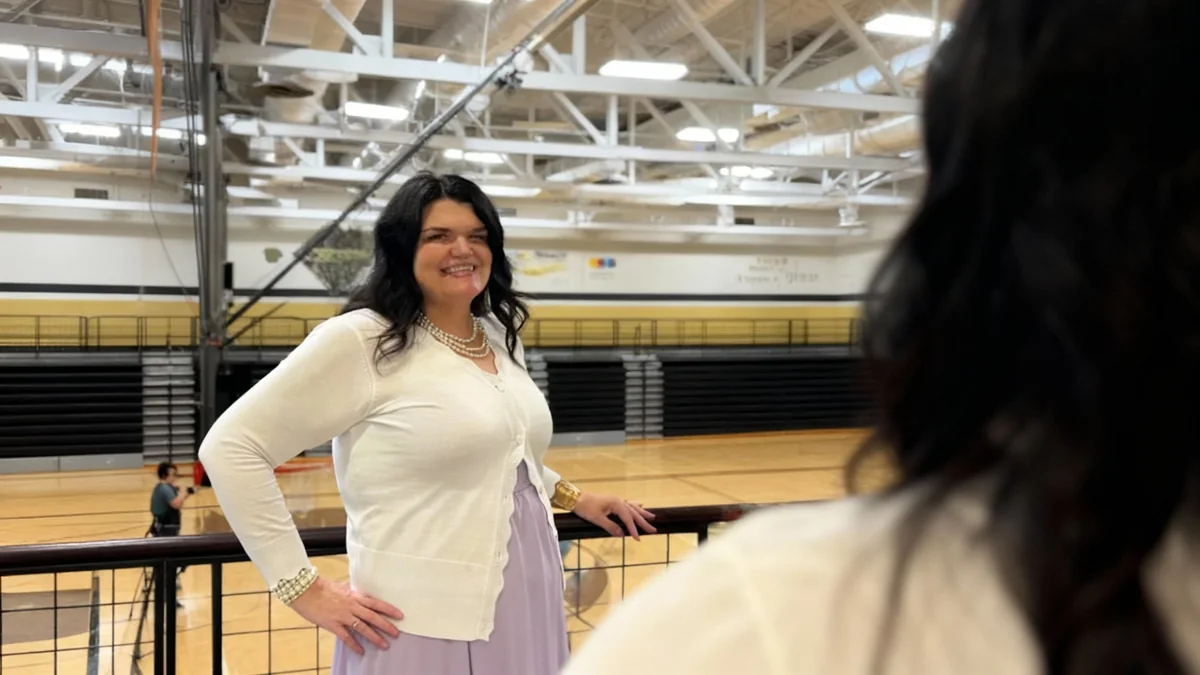
Providing a direct perspective from the front lines, Brenda Lewis, the superintendent of Fridley Public Schools, shared a series of troubling experiences. Lewis, a Plainview native, detailed what she believes is a pattern of intimidation targeting her and her district's leadership.
"I have personally been followed twice by ICE agents," Lewis reported during the press conference. She further alleged that the intimidation extends to elected officials responsible for the district's governance.
"Multiple board members have had ICE vehicles outside of their homes for many hours on end," she added. "This happened last week and again yesterday."
Fear at the School Gates
The superintendent described a tangible atmosphere of anxiety that has enveloped her school community. The presence of federal agents near schools and bus stops, she argued, directly undermines the safety and trust essential for a functioning educational system.
"Schools must be safe places. They must never become places of intimidation. ICE does not belong in and around our schools, in and around our bus stops. Their presence is harming children." - Brenda Lewis, Superintendent
Lewis explained the direct impact on daily school life. "Right now, students are afraid to come to school. Parents are afraid to drop them off. Staff are coming to work wondering if today will be the day that something happens in one of our buildings."
Implementing New Safety Protocols
In response to the perceived threat, Fridley Public Schools has been forced to adapt. Lewis stated that she now personally patrols the areas around each of the district's schools every morning and afternoon to monitor for unusual activity.
The district has also taken more formal steps to protect its students and staff. "Fridley has added extra security to its schools," Lewis confirmed, noting the deployment of trained observers at all school buildings to watch for and document any enforcement presence.
A Superintendent on Patrol
Superintendent Brenda Lewis's decision to personally patrol her school district highlights the extraordinary measures educators feel are necessary to ensure student safety. This hands-on approach underscores the severity of the situation as perceived by school administrators on the ground.
These measures, while intended to reassure the community, also highlight the new reality for schools caught in the middle of a national policy debate. The resources and focus required to manage this external pressure detract from the primary mission of education.
The Broader Impact on Learning
Educators and child welfare advocates warn that the current environment could have lasting negative effects. When children are afraid to attend school, they miss critical instruction, fall behind academically, and lose access to essential services like school meals and counseling.
The constant stress and anxiety can also impair a child's ability to learn and develop socially. School officials are concerned that this climate of fear erodes the vital trust between families and the public education system, a bond that is crucial for student success.
As state leaders await a response from the federal government, Minnesota's school communities remain on high alert. The immediate challenge for superintendents like Brenda Lewis is to maintain a sense of normalcy and safety in their hallways, ensuring that every child feels secure enough to walk through the school doors each morning.