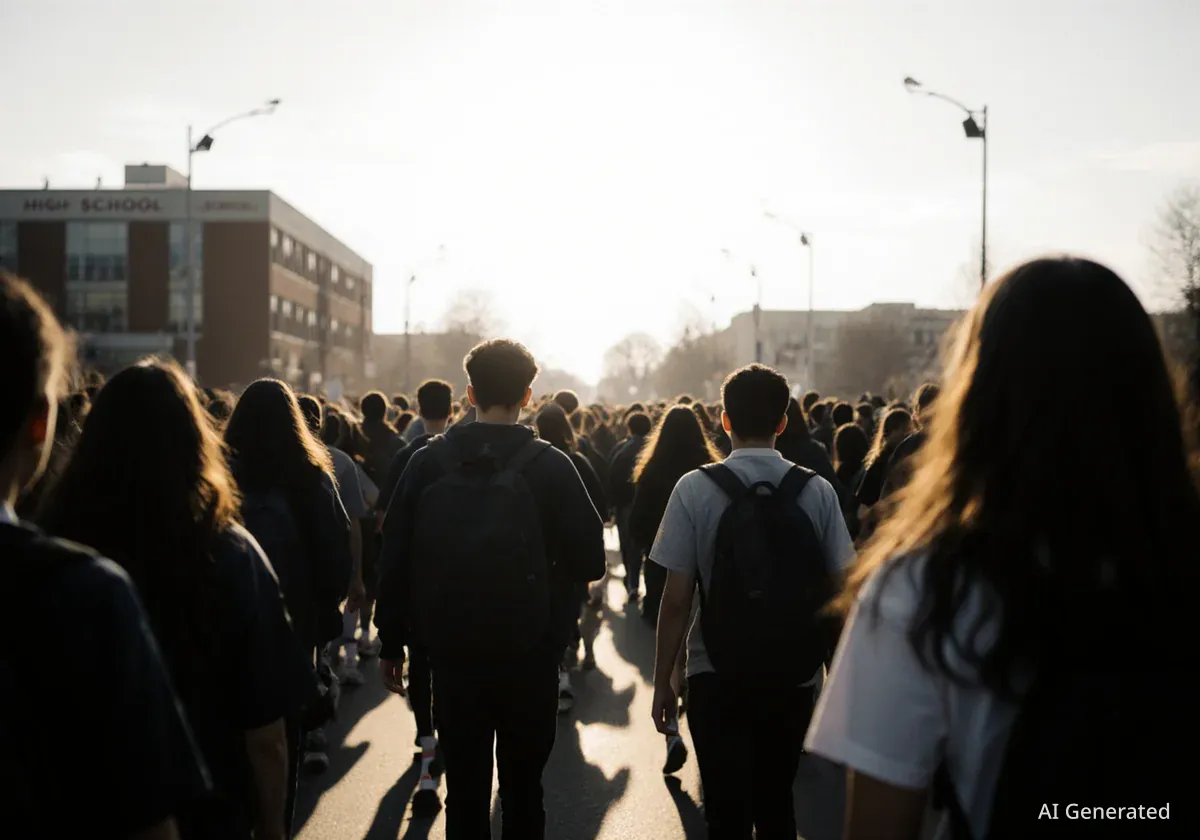
Hundreds of high school students across Phoenix walked out of their classrooms on January 28, 2026, to protest the increased presence of U.S. Immigration and Customs Enforcement (ICE) officers in communities nationwide. The coordinated demonstrations saw students from at least two major high schools marching to demand changes in federal immigration policy.
Students from Camelback High School and Arcadia High School left their campuses mid-day, carrying signs and chanting slogans. The protests highlight a growing trend of youth activism focused on national political issues, bringing the debate over immigration enforcement directly to school grounds and the offices of elected officials.
Key Takeaways
- Hundreds of students from Camelback and Arcadia high schools in Phoenix participated in a walkout on January 28, 2026.
- The protest was organized in response to what students describe as an increased presence of ICE officers.
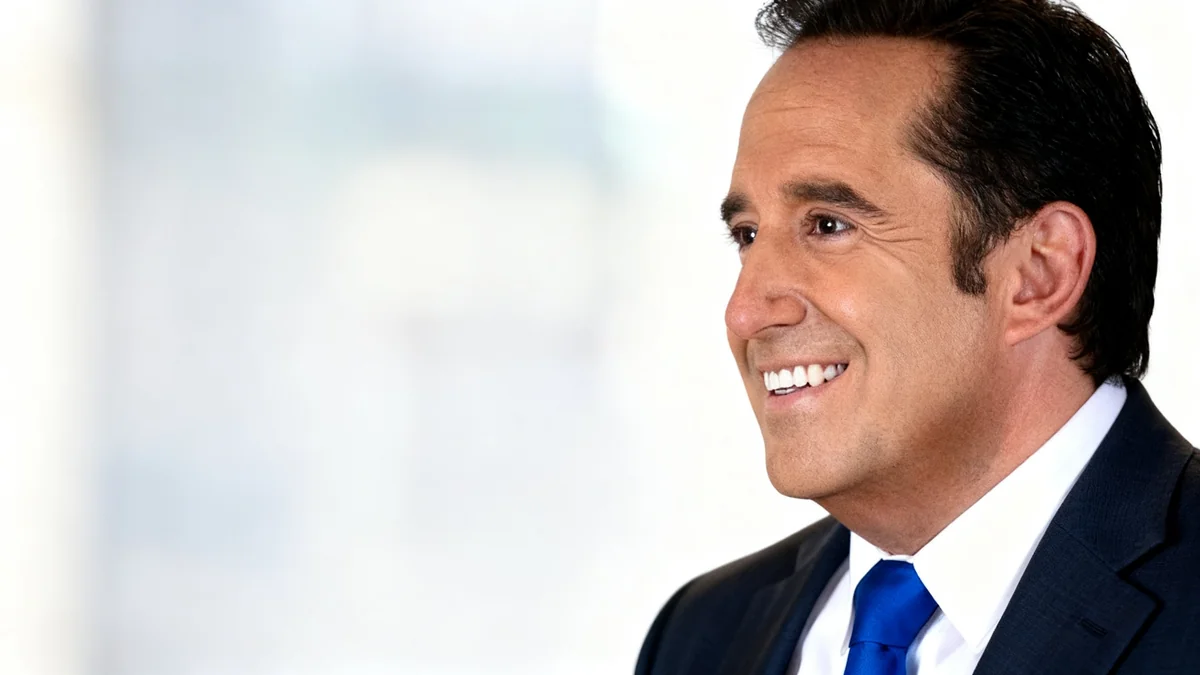
- Students from Camelback High School marched to the Phoenix office of U.S. Senator Mark Kelly.
- The demonstrations were peaceful and aimed to raise awareness about the impact of immigration policies on families and communities.
Students Take to the Streets
The day of action began late Wednesday morning as students at Camelback High School left their classes in a large, organized group. Chanting and holding signs, the students marched through local streets, drawing attention from residents and local businesses. Their destination was the Phoenix office of U.S. Senator Mark Kelly, where they gathered to make their voices heard.
Simultaneously, a similar scene unfolded at Arcadia High School. Students there also staged a walkout, gathering outside their campus to protest what they feel are aggressive enforcement tactics by federal immigration authorities. The coordinated effort suggests a significant level of organization among student leaders in the Phoenix area.
Voicing Concerns for Community Safety
For many students involved, the issue is deeply personal. They spoke of friends, family members, and neighbors who live in fear of deportation. The presence of ICE in their communities, they argued, creates an environment of anxiety that affects their ability to focus on education.
"We are here because our classmates and our families are scared," said Sophia Mignacca, a senior at Arcadia High School who helped organize the walkout. "This isn't just a headline for us. It's our reality. We can't just sit in class and pretend everything is okay when people in our community are being targeted."
The students' message was clear: they believe current immigration enforcement strategies are harming families and disrupting the social fabric of their neighborhoods. They called for more compassionate and comprehensive immigration reform.
The Role of Youth Activism
Student-led walkouts have a long history in the United States as a form of political protest. From civil rights demonstrations in the 1960s to protests against gun violence in recent years, young people have often been at the forefront of social movements. These actions serve not only to raise public awareness but also to empower a new generation of citizens to engage in the political process.
A March to a Senator's Office
The demonstration by Camelback High School students was particularly notable for its direct appeal to a federal lawmaker. After leaving their campus, hundreds of students marched several miles to Senator Mark Kelly's office. They filled the sidewalks outside the building, chanting slogans like "Education not deportation" and holding signs with messages directed at policymakers.
The decision to protest at a senator's office underscores the students' understanding of the political process. They aimed to take their concerns directly to one of the officials with the power to influence federal legislation. While the senator was not present, the demonstration ensured their message was delivered to his staff and covered by local media.
Statistics on Student Protests
While specific numbers for this event are still being compiled, youth-led protests have seen a significant rise. National surveys indicate that over 60% of teenagers believe their generation has the power to enact social and political change, a marked increase from previous decades. This confidence is often translated into direct action like walkouts and marches.
A Call for Dialogue
Kelly Mitchell, another senior from Arcadia High, emphasized the need for communication and understanding. She explained that the protest was not just about anger, but about starting a conversation.
"We want our leaders to see us and hear us," Mitchell stated. "We are asking for them to consider the human cost of these policies. Our friends shouldn't have to worry about whether their parents will be home when they get back from school."
The students hope their actions will prompt local and national leaders to re-evaluate the impact of ICE's enforcement priorities. They are calling for policies that focus on keeping families together and creating pathways to legal status rather than relying on deportation.
School Districts Respond
The response from school districts was measured. While they did not officially sanction the walkouts, officials monitored the protests to ensure student safety. In statements, both the Phoenix Union High School District and the Scottsdale Unified School District acknowledged the students' right to free expression while emphasizing that on-campus safety and instruction remained their top priorities.
The walkouts occurred without any reported incidents of violence or arrests. Students who participated were marked with unexcused absences, a standard procedure for leaving campus without permission. However, for the participants, the potential disciplinary action was a small price to pay for what they considered a vital civic duty.
The protests in Phoenix are part of a larger national conversation about immigration. As federal policies continue to evolve, the passionate and organized response from these high school students demonstrates that the country's youth are not just watching from the sidelines—they are demanding a role in shaping its future.