
In Crystal, Minnesota, a group of 300 students has found a unique way to voice their concerns over national immigration policies. Instead of staging a walkout, students at the FAIR School created a symbolic “chain of love,” a paper chain with messages of support that now hangs in their school cafeteria, offering a powerful visual of unity and encouragement for their peers from immigrant families.
The initiative was developed in collaboration with school leadership, who challenged the students to find a constructive and positive method of protest. The result is a testament to creative activism, turning a potentially divisive issue into an opportunity for community building within the school's walls.
Key Takeaways
- Students at FAIR School in Crystal, Minnesota, created a paper “chain of love” to protest immigration policies.
- The project was a positive alternative to a traditional student walkout, supported by school administration.
- The chain features handwritten messages of hope and solidarity for students from immigrant families.
- The initiative was led by students who wanted to ensure their classmates felt safe and supported at school.
A Constructive Approach to Activism
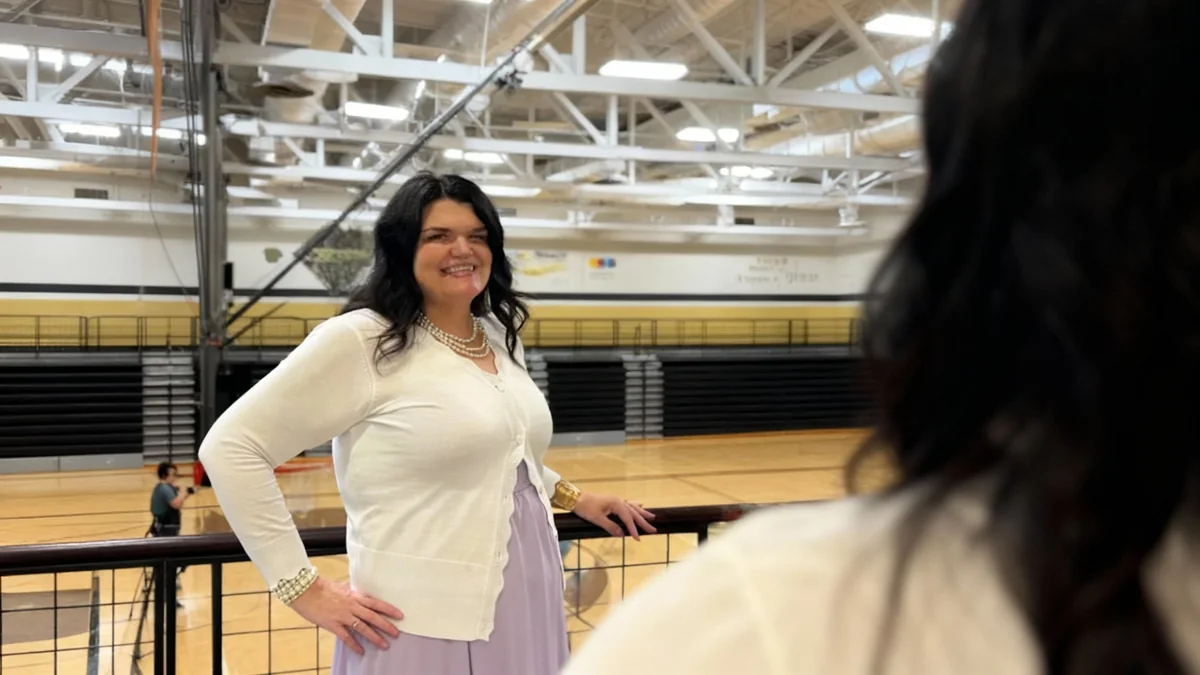
When students at the FAIR School expressed a desire to protest the ongoing immigration crackdown, Principal Zoraba Ross saw an opportunity for a different kind of lesson. Rather than authorizing a walkout, she encouraged them to channel their energy into something more unifying.
"Walking out of the building is not something that I can authorize from a principal's standpoint," Ross explained. She felt it was important to guide the students toward an action that could build community rather than simply disrupt the school day.
"I can authorize something that is more positive in nature, and so I gave the kids a challenge to do something that was more positive."
The students embraced this challenge. The idea for a “chain of love” was born from discussions about how to show tangible support for classmates who might be feeling anxious or afraid. The project quickly gained momentum, with hundreds of students participating.
The Making of the Chain
The process was simple yet profound. Students were given strips of paper and asked to write messages of encouragement, hope, or simply the name of a friend from an immigrant family. These individual links were then connected to form a long, colorful chain.
Now draped across the school cafeteria, the chain serves as a constant, visible reminder of solidarity. It has transformed a shared space into a symbol of the school's collective values of inclusion and support. The visual impact is significant, representing the interconnectedness of the student body.
The National Context of Student Protests
Student walkouts have become a common form of protest across the United States on issues ranging from gun control to climate change and immigration policy. While effective at drawing media attention, they often put school administrators in a difficult position regarding student safety and attendance. The approach taken at FAIR School represents a growing interest in finding alternative, school-sanctioned forms of civic engagement that allow students to express their views in a safe and constructive environment.
Voices from the Student Body
The project was driven by the students themselves, many of whom felt a deep sense of empathy for their peers. Brynn Halupnick, a sixth-grader who helped organize the effort, articulated the core motivation behind the chain.
"I don't think anybody should be scared to leave their homes and come to school," Halupnick stated. Her words reflect a concern that goes beyond policy debates, touching on the fundamental need for schools to be safe havens for all children.
A Chorus of Support
The initiative began with a powerful moment of unity, as 300 students gathered to sing "Lift Every Voice and Sing." The anthem, often referred to as the Black national anthem, set a tone of hope and collective strength, turning the project's launch into a call for positive action and mutual respect.
For students like Halupnick, the experience has been formative. It has provided a practical lesson in empathy and the power of collective action. She noted that the project has broadened her perspective on the lives of others.
"I'm going to remember those that have gone through this and think how this is something I would ever expect to go through. It's way more than just my life. It's other lives too."
This sentiment highlights the educational value of the project, fostering a sense of civic responsibility and awareness among young students. It demonstrates that meaningful activism doesn't always require loud chants or empty hallways, but can be found in quiet acts of kindness and visible symbols of support.
A Model for Positive Change
The "chain of love" at FAIR School offers a compelling model for other educational institutions grappling with how to manage student activism. By partnering with students instead of opposing them, the school's administration facilitated a powerful learning experience about community, empathy, and constructive dialogue.
The project underscores several key ideas:
- Empowerment: It gave students a sense of agency and showed them that their voices matter.
- Community Building: The collective effort strengthened bonds between students from different backgrounds.
- Safety and Inclusion: It sent a clear message that the school is a welcoming place for everyone, regardless of immigration status.
- Creative Expression: The project allowed students to express complex emotions and political stances through a creative and peaceful medium.
As schools across the country continue to be focal points for social and political expression, the story of FAIR School's paper chain provides a hopeful example. It proves that a school's response to student activism can be one of collaboration and guidance, ultimately creating a stronger, more connected community.