
Following a statewide mandate to eliminate diversity, equity, and inclusion (DEI) policies, some Kansas lawmakers are now questioning whether the state should also regulate the content of university courses. The debate marks a potential expansion of a law that has already led to significant changes on college campuses across the state.
State universities have been actively dismantling DEI programs and offices to comply with the new legislation. However, university leaders have maintained that academic curriculum remains outside the law's scope, a position now being challenged by key Republican legislators who are considering new measures to include classroom content.
Key Takeaways
- Republican lawmakers in Kansas are questioning if a state law banning DEI policies should extend to university classroom curriculum.
- Kansas universities, including KU and K-State, have already closed DEI offices and removed diversity-related language from policies to comply with the existing law.
- University leaders argue that academic freedom protects course content from the current DEI ban, but have stated they will comply with any new state laws.
- Specific examples, such as a KU English program and a K-State textbook, have been cited by lawmakers as areas of concern.
- The debate raises questions about academic freedom, legislative oversight, and the use of taxpayer funds in higher education.
Universities Respond to State Mandate
A recent state law required all Kansas state agencies, including public universities, to eliminate policies and programs related to diversity, equity, and inclusion. In response, higher education institutions have made substantial changes to their operations and administrative structures.
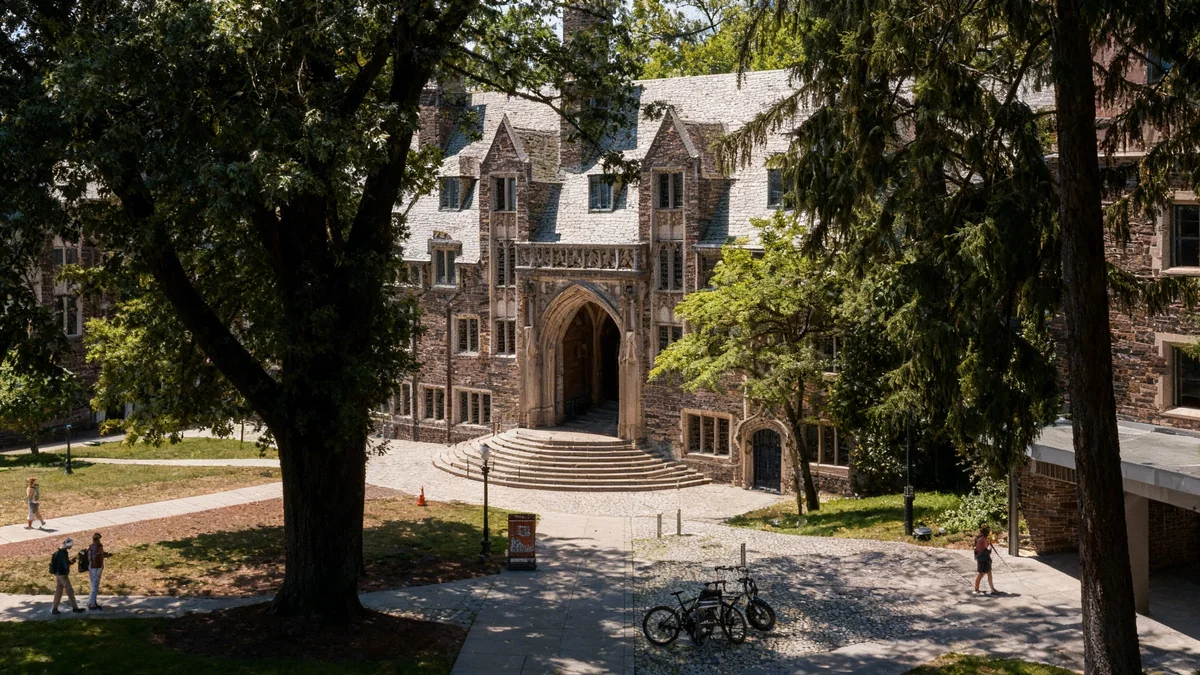
The University of Kansas, for example, closed its Emily Taylor Center for Women and Gender Equity. Similarly, Kansas State University has removed references to diversity from its mission statement and employment requirements. These actions were taken to align with the legislative directive.
During a recent government oversight committee meeting, university officials confirmed their compliance efforts but drew a clear line at academic instruction. University of Kansas Chancellor Douglas Girod told lawmakers that the administration did not interpret the law as an order to interfere with what is taught in the classroom. "We have not gone into classroom curriculum," Girod stated. "We didn't believe that was part of the directive."
What is DEI?
Diversity, Equity, and Inclusion (DEI) refers to a framework of policies and programs designed to promote the representation and participation of different groups of individuals, including people of different ages, races and ethnicities, abilities and disabilities, genders, religions, cultures, and sexual orientations.
Legislators Question Classroom Content
Despite the universities' interpretation, some Republican lawmakers are signaling that the current law may not go far enough. They have raised concerns about specific courses and materials they believe promote a "political ideology" under the guise of academic study.
Republican Rep. Kristey Williams of Augusta specifically pointed to a University of Kansas English program that requires students to study diverse communities and identities. She expressed concern that students are being forced into courses focused on diversity issues to earn their degrees.
"In order for them to have an English degree, they're going to have to face all types of DEI indoctrination," Williams said during the committee hearing.
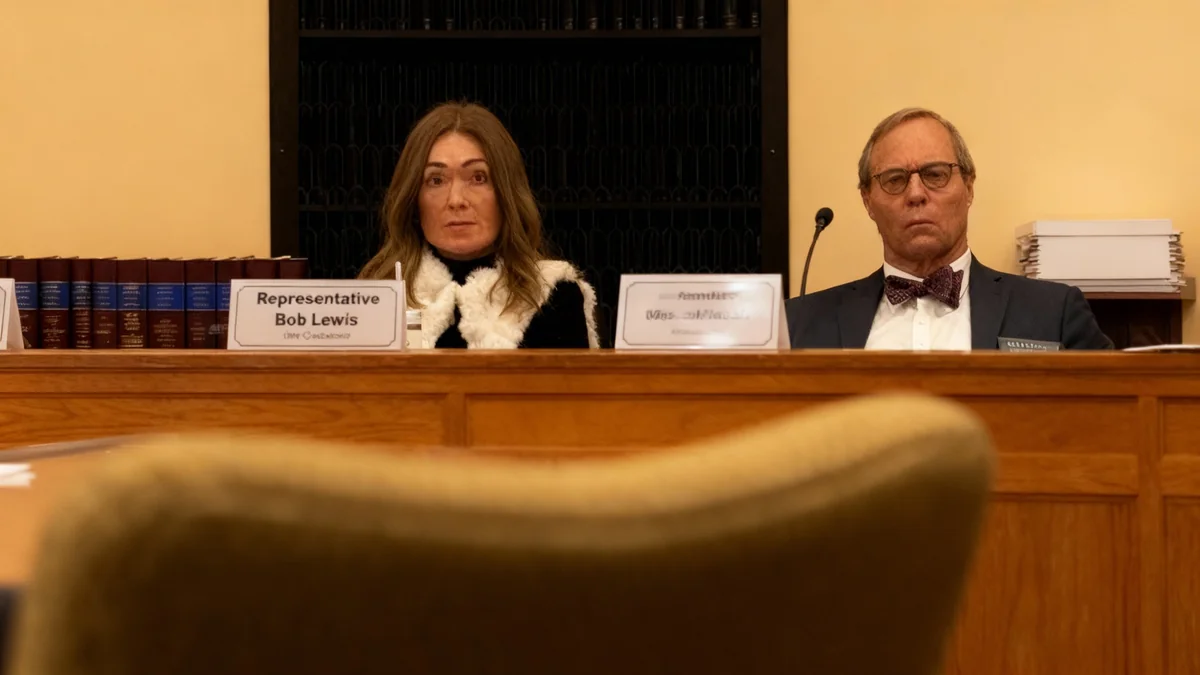
Another lawmaker, Republican Rep. Bob Lewis of Garden City, echoed these sentiments. He referenced a textbook written by K-State faculty that encourages readers to re-examine assumptions about human identity and diversity. While supporting diverse viewpoints on campus, Lewis argued that requiring such a textbook in a core class like English composition is problematic.
"That’s what I think is problematic," Lewis stated, suggesting that lawmakers might consider amending the law to explicitly include curriculum.
Academic Freedom vs. Legislative Oversight
The unfolding debate pits the long-standing principle of academic freedom against the legislature's authority to oversee state-funded institutions. University officials and faculty often argue that instructors must have the freedom to design courses and select materials based on their professional expertise, without political interference.
Blake Flanders, president of the Kansas Board of Regents, which governs the state's public universities, acknowledged that the institutions are following current laws. However, he also indicated a willingness to adapt if the legislature decides to act further.
"If there is interest in changing that, we would stand ready to comply with any state laws," Flanders told the committee. This statement leaves the door open for further legislative action that could directly impact course content across Kansas.
A Growing National Trend
The debate in Kansas is part of a larger national movement. Lawmakers in several other states have introduced or passed legislation aimed at restricting how topics like race, gender, and history are taught in public schools and universities. These efforts often target concepts associated with Critical Race Theory and DEI initiatives.
Concerns Over Costs and Priorities
Not all lawmakers agree with the focus on DEI. Democratic Rep. Stephanie Sawyer Clayton of Overland Park criticized the time and money being spent on these compliance efforts, calling it a diversion from more pressing issues.
She questioned the financial impact on taxpayers for what she described as a manufactured controversy. "I would be curious to see what the cost is to our hardworking taxpayers in order to change all of these policies," Sawyer Clayton said. "The taxpayers in my district, by and large, don't care about this."
As the legislative session continues, the potential for new laws governing what can be taught in Kansas university classrooms remains a central point of contention. The outcome of this debate will have significant implications for students, faculty, and the future of higher education in the state, defining the balance between legislative oversight and academic independence.