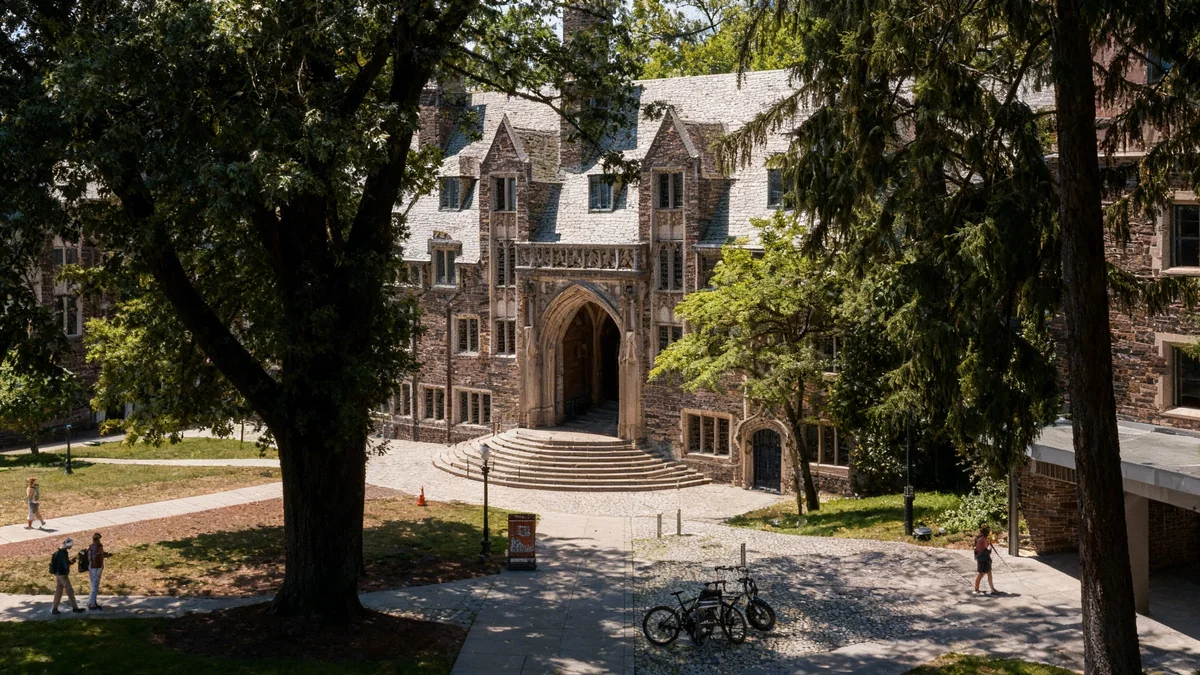
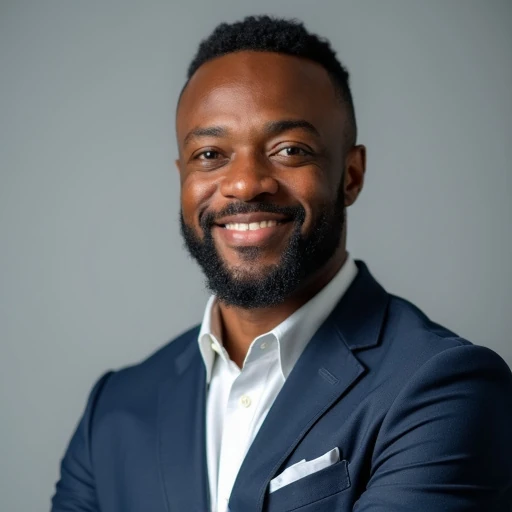
Following two separate deadly attacks, scholar Dr. Corey Miller has argued that a specific ideological framework taught in American universities is contributing to a climate of political intolerance. Miller, a philosopher and author, suggests that the ideas discussed in classrooms are directly influencing broader cultural and political conflicts.
His analysis comes after the assassination of conservative activist Charlie Kirk in September and a fatal school shooting in Minneapolis in August. Miller connects these events to what he describes as an intolerant environment fostered within higher education.
Key Takeaways
- Dr. Corey Miller argues that university teachings directly impact national culture and politics.
- He links recent violent events, including the killing of Charlie Kirk, to what he calls an "assassination culture" originating on campuses.
- Miller identifies "postmodern cultural Marxism" as a key ideology that he believes promotes hostility by framing all inequality as injustice.
- Surveys from Inside Higher Ed and Hanover Research indicate a majority of professors feel academic freedom is threatened and struggle with political discussions.
- Miller advocates for more open debate and a "competition of ideas" as a solution, rather than censorship.
Recent Violence Fuels Concerns
The debate over the role of ideology in public violence has intensified following two recent high-profile incidents. In September 2025, conservative activist Charlie Kirk was killed during an event for Turning Point USA held at Utah Valley University. This followed an attack in August 2025, when a shooter killed two children and injured 18 others at Annunciation Catholic School in Minneapolis.
These events have prompted lawmakers and experts to examine the potential motivations behind such acts of violence. Dr. Corey Miller, president of the campus organization Ratio Christi, has publicly stated that these incidents are not isolated but are symptoms of a deeper cultural issue with roots in academia.
Connecting Education to Culture
Dr. Miller's central thesis is based on a sequential model of influence. He states, "Politics is downstream from culture, culture is downstream from education." This suggests that the ideas and values promoted in educational institutions eventually shape the broader societal and political landscape.
An Academic Theory on Intolerance
In his book, "The Progressive Miseducation of America," Miller argues that a specific philosophical worldview taught on many campuses is a primary source of division. He identifies this as a form of "postmodern cultural Marxism" that, in his view, creates a hostile environment.
According to Miller, this ideology encourages students to view the world through a lens of power dynamics and group identity. He contends that it redefines any form of inequality as a form of injustice, which can provoke intense reactions among students.
"It really ignites a firestorm under students to feel like they've got the ability to service in the cause of justice," Miller explained in a recent interview.
He further argues that this mindset can lead to what he calls an "assassination culture," characterized by a devaluing of human life and an unwillingness to engage with opposing viewpoints. Miller suggests this framework creates an environment where hostility toward ideological opponents is seen as acceptable.
Widespread Concerns Over Campus Speech
Dr. Miller's claims about a restrictive campus climate are echoed in several recent studies focusing on academic freedom and discourse. The data suggests a growing apprehension among faculty when it comes to discussing sensitive or controversial topics in the classroom.
Faculty Apprehension by the Numbers
- 87% of professors find it difficult to discuss politics on campus, according to a survey by Inside Higher Ed.
- More than 90% of academics believe academic freedom is currently under threat, as found in a Hanover Research study.
- A paper from Harvard University also identified a rising "cancel culture" in higher education as a significant concern for open dialogue.
These findings indicate that a significant portion of educators fear professional or social repercussions for expressing certain views. This atmosphere of caution aligns with Miller's assertion that open and robust debate is being stifled on many college campuses across the country.
The Proposed Path Forward
A Call for Open Debate
Despite his critical assessment, Miller does not advocate for censorship or the restriction of ideas. Instead, he argues that the solution lies in fostering a more intellectually open environment. He believes that truth is best discovered through vigorous and respectful debate among competing perspectives.
"The pursuit of truth requires the competition of ideas," Miller stated, emphasizing that shielding students from different viewpoints is counterproductive to the mission of higher education. He suggests that universities should recommit to being forums for intellectual exploration rather than platforms for a single ideological viewpoint.
Philosophical Roots of the Conflict
Miller also frames the issue in broader philosophical terms, referencing the work of 19th-century philosopher Friedrich Nietzsche. He suggests that a societal move away from traditional religious and moral foundations, as Nietzsche predicted, can lead to a diminished view of the inherent value of human life.
This, he concludes, contributes to a culture where ideological disagreements can escalate into severe hostility and, in extreme cases, violence. His solution is a return to foundational principles that affirm human dignity and encourage open inquiry.