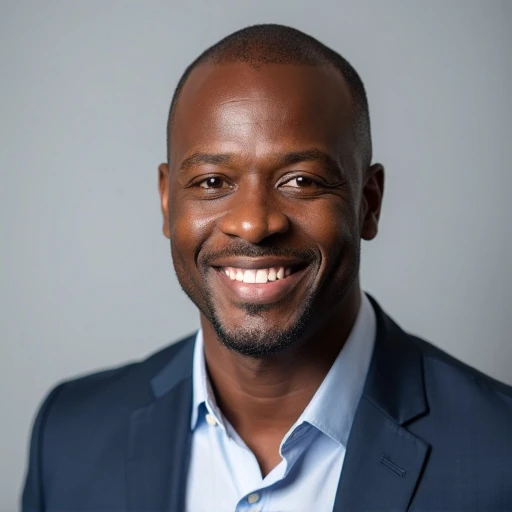
The University of Virginia is at the center of a significant political confrontation as its newly appointed president, Scott Beardsley, prepares to take office on January 1. His appointment, made by a board selected entirely by outgoing Governor Glenn Youngkin, has drawn sharp criticism from incoming Democratic leaders who are vowing to take action when they assume power just weeks later.
Key Takeaways
- Scott Beardsley is set to become UVA's 10th president on January 1, 2026, serving a five-and-a-half-year term.
- The appointment was made by a Board of Visitors with five vacancies, all of whose members were appointed by Republican Governor Glenn Youngkin.
- Incoming Democratic Governor-elect Abigail Spanberger, who takes office January 17, has signaled she will make her own board appointments swiftly.
- State lawmakers and political analysts predict significant changes, including the potential removal of current board members and legislative reforms to the appointment process.
A Contested Appointment
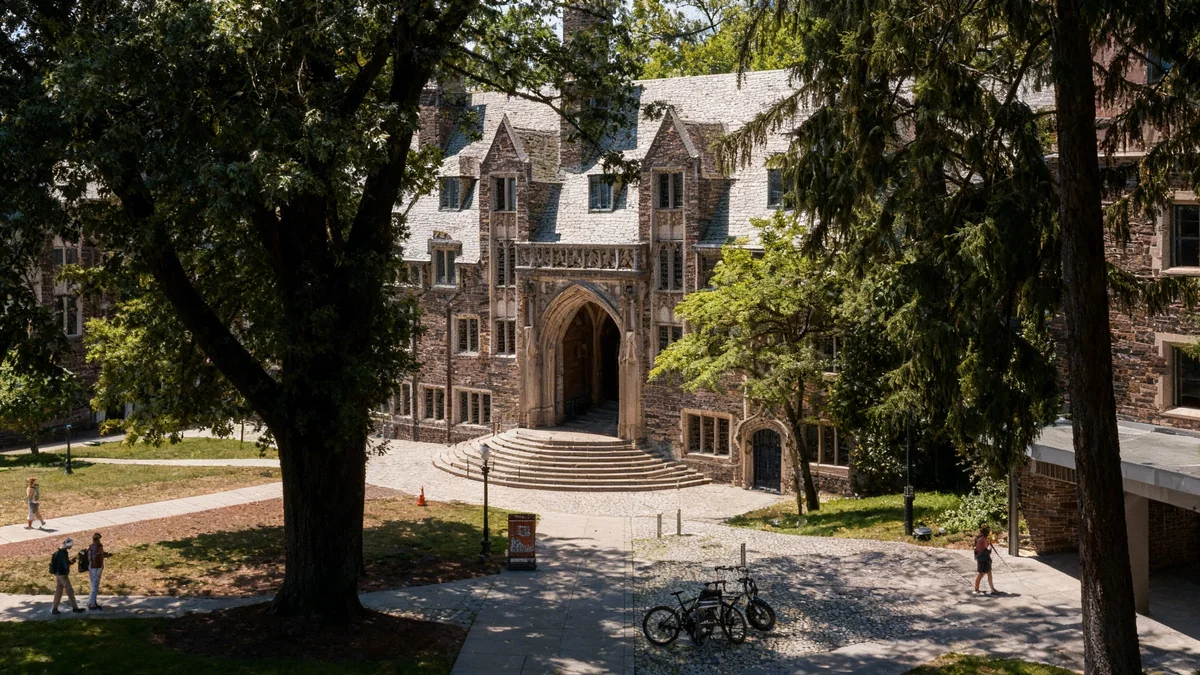
Scott Beardsley, Dean of the Darden School of Business, is scheduled to begin his tenure as the University of Virginia’s 10th president at the start of the new year. However, the process that led to his selection has become a flashpoint in Virginia politics, setting the stage for a potential overhaul of the university's governing body.
The decision was finalized by a Board of Visitors that currently has five empty seats. This fact has not gone unnoticed by Democratic lawmakers, who question the legitimacy of making such a long-term decision with an incomplete board just before a gubernatorial transition.
State Senator Creigh Deeds, who serves on the committee that approves Board of Visitors appointments, expressed his frustration with the situation. He highlighted a pattern of actions by the current board that he finds troubling.
"I’m a little dismayed at the process, but I’ve learned to be dismayed by things over the last several months with the Board of Visitors," Senator Deeds stated.
The timing is particularly sensitive, as Governor-elect Abigail Spanberger will be inaugurated on January 17, giving her the authority to fill vacancies and potentially reshape university boards across the state.
Incoming Administration Signals Major Changes
The incoming administration has made it clear that it does not intend to let the appointment proceed without scrutiny. Governor-elect Spanberger has been direct about her plans to exercise her appointment powers immediately upon taking office.
A Precedent for Removal
Political analyst Larry Sabato from UVA’s Center for Politics noted that the Youngkin administration itself set a precedent for removing board members at state universities. This prior action could pave the way for the incoming Spanberger administration to do the same, potentially leading to a rapid and dramatic shift in the composition of several university boards, including UVA's.
While Spanberger has emphasized that the governor should not directly choose a university's president, she criticized the current board's decision to rush the process.
"I don’t think the Governor of Virginia, Governor-elect of Virginia should ever be making decisions about who the President is or isn’t," Spanberger said. "I think it’s unfortunate they created some hurdles for the incoming president because of their choice in moving forward.”
Her commitment to making her own appointments suggests that the current board, entirely composed of Youngkin appointees, could see significant changes. Lieutenant Governor-elect Ghazala Hashmi has also been vocal, reiterating calls to pause the presidential search process entirely.
Legislative and Legal Avenues Explored
Beyond new appointments, Democrats in the General Assembly are preparing for legislative action. Senator Deeds confirmed that reforming the appointment process is a high priority for the new governor and that lawmakers are ready to act.
"This is on the front burner for the governor-elect. I’m confident it’s something she’s going to take care of early in her term," Deeds remarked, indicating that new laws could be introduced to prevent similar situations in the future.
While Deeds did not confirm if a lawsuit was being considered, he acknowledged that several legal paths exist for those who might want to challenge or delay the appointment. "I think certainly there are two or three different avenues that one could take if one were looking for a way to slow this process down or stymie this process," he noted.
A Statewide Shakeup?
According to Larry Sabato, the impending changes may not be limited to the University of Virginia. He predicts that board members at other state institutions, such as George Mason University, could also face removal and replacement early in the new administration's term. This signals a broader reversal of the previous administration's educational policies.
A New Era for Virginia Higher Education
Political analysts foresee a swift and significant policy shift in Virginia's higher education system starting in January. Larry Sabato described the coming changes as dramatic, potentially reversing many of the policies implemented under Governor Youngkin.
"I don’t think most people understand how dramatic the change is that’s coming," Sabato explained. "They will be very pleasant changes for Democrats and very unpleasant changes for Republicans, including some of those currently in office in both public elective office and appointive office, including the boards of visitors."
This political battle highlights the deep divisions over the governance and direction of public universities. As President-elect Beardsley prepares to lead one of the nation's most prestigious public institutions, he steps into a role immediately complicated by a political power struggle that will define the opening weeks of the new gubernatorial administration in Virginia.