
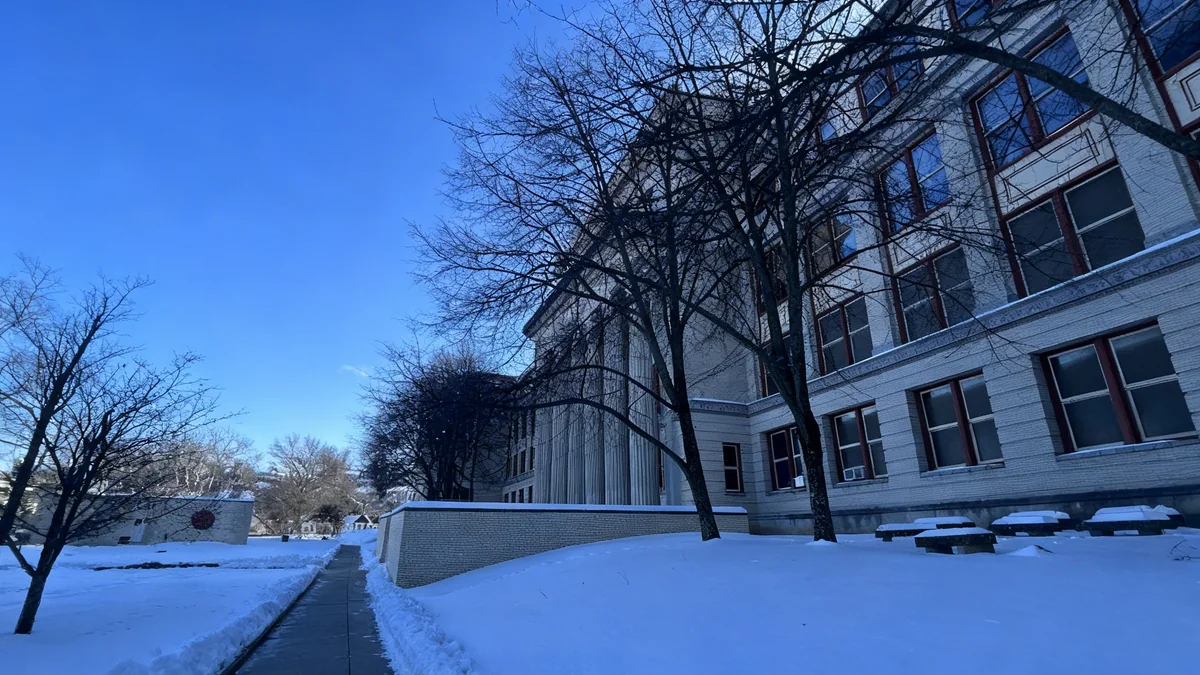
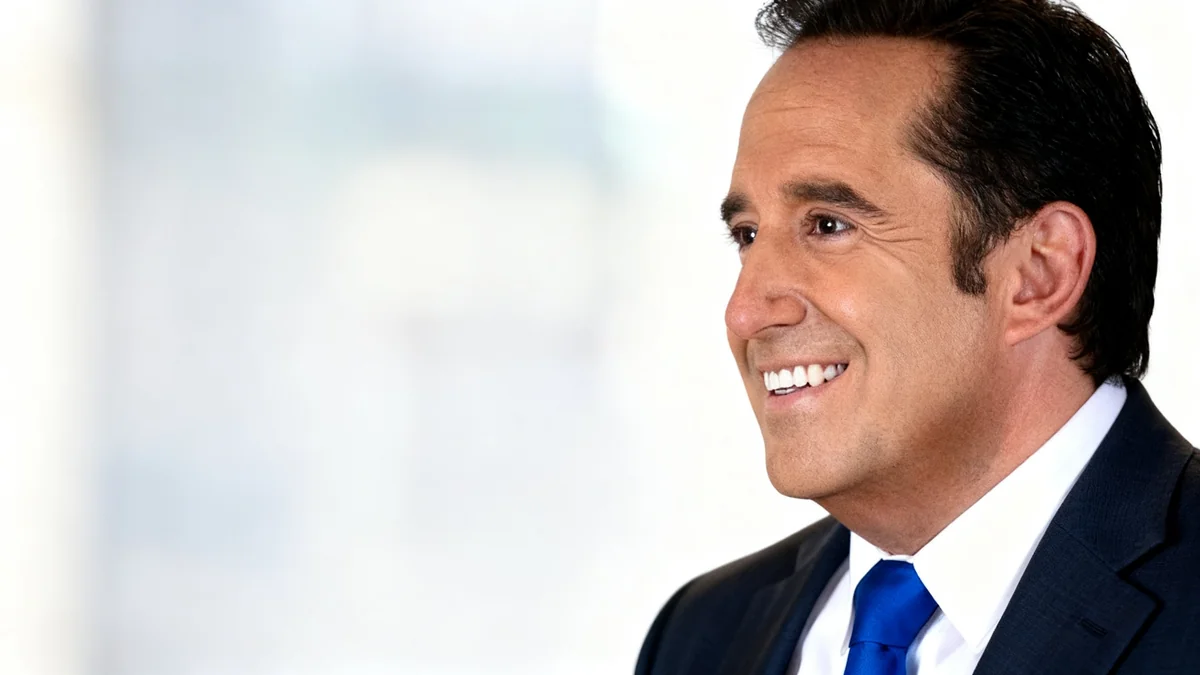
A visiting professor at Harvard Law School was taken into custody by U.S. Immigration and Customs Enforcement (ICE) and has agreed to leave the country. The arrest followed the revocation of his visa after he admitted to firing a BB gun near a synagogue in Brookline, Massachusetts, on the eve of Yom Kippur.
Carlos Portugal Gouvea, a Brazilian national, was teaching at Harvard for the fall semester. While government officials have characterized the incident as a serious offense, the synagogue involved stated it does not believe the act was motivated by antisemitism.
Key Takeaways
- Carlos Portugal Gouvea, a visiting Harvard professor, was arrested by ICE after his J-1 visa was revoked.
- The visa revocation followed a plea deal related to him firing a BB gun near a synagogue on October 1.
- Gouvea has agreed to voluntarily depart the United States rather than face deportation proceedings.
- Temple Beth Zion, the synagogue near the incident, has publicly stated they do not believe it was an antisemitic act.
Details of the October Incident
On the evening of October 1, police in Brookline, Massachusetts, responded to reports of shots being fired near Temple Beth Zion. The timing was significant, as it was the eve of Yom Kippur, the holiest day in Judaism.
Upon arrival, officers discovered Gouvea hiding behind a tree. He was in possession of a pellet gun. According to official reports, Gouvea told the police at the scene that he was "hunting rats."
The sound of the BB gun firing caused concern among congregants at the nearby temple, prompting a lockdown. A pellet from the gun also shattered the window of a parked vehicle, leading to property damage.
Community and Synagogue Response
Despite the alarming nature of the incident, leaders at Temple Beth Zion moved to reassure their community. In a public statement, the synagogue clarified its position on the man's potential motives.
"From what we were initially told by police, the individual was unaware that he lived next to, and was shooting his BB gun next to, a synagogue, or that it was a religious holiday," the temple wrote. "It was potentially dangerous to use a BB gun in such a populated spot, but it does not appear to have been fueled by antisemitism."
The temple's leadership emphasized that while they treated the situation as dangerous at the time, they had "no reason to believe this was an antisemitic event."
Legal Consequences and Immigration Action
Following his arrest by local police, Gouvea, who is an associate professor at the University of São Paulo Law School in Brazil, faced a series of legal challenges. The case moved through the local court system before attracting federal attention.
Initial Charges Filed
- Vandalism: One felony count.
- Illegal Discharge of a Pellet Gun: One misdemeanor count.
- Disorderly Conduct: One misdemeanor count.
- Disturbing the Peace: One misdemeanor count.
On November 13, Gouvea reached an agreement with prosecutors. He accepted a plea deal in which three of the four charges were dismissed. For the remaining charge, he was placed on six months of pretrial probation, a common resolution for low-level offenses.
Federal Intervention and Visa Revocation
While the local criminal case was resolved without a conviction, the incident had severe consequences for Gouvea's immigration status. The U.S. State Department took action to revoke his J-1 visa.
What is a J-1 Visa?
A J-1 visa is a non-immigrant visa for individuals approved to participate in work-and-study-based exchange visitor programs in the United States. These programs often involve teaching, research, or receiving training, and are common in academic settings like Harvard University.
The revocation of his visa meant Gouvea no longer had legal permission to remain in the United States. Subsequently, agents from ICE's Enforcement and Removal Operations detained him.
Faced with formal deportation proceedings, Gouvea opted to agree to a voluntary departure. This allows an individual to leave the country at their own expense within a specified time to avoid the legal ramifications of a formal deportation order.
Official Statements and Broader Context
The Department of Homeland Security (DHS) issued a statement framing the incident in strong terms. Assistant Secretary Tricia McLaughlin addressed the matter directly.
"It is a privilege to work and study in the United States, not a right. There is no room in the United States for brazen, violent acts of antisemitism like this," McLaughlin stated. "We are under zero obligation to admit foreigners who commit these inexplicably reprehensible acts or to let them stay here."
This official stance contrasts sharply with the perspective offered by the leaders of Temple Beth Zion. The incident occurs at a time of heightened scrutiny of antisemitism on college campuses, an issue that has drawn attention from lawmakers and government agencies.
The U.S. Citizenship and Immigration Services has previously indicated it would review social media accounts of immigrants for evidence of antisemitic activity, which could influence immigration benefit decisions. Gouvea's case highlights how actions that result in minor local charges can trigger significant federal immigration consequences, particularly when they occur near sensitive locations like places of worship.